
Companion Plants
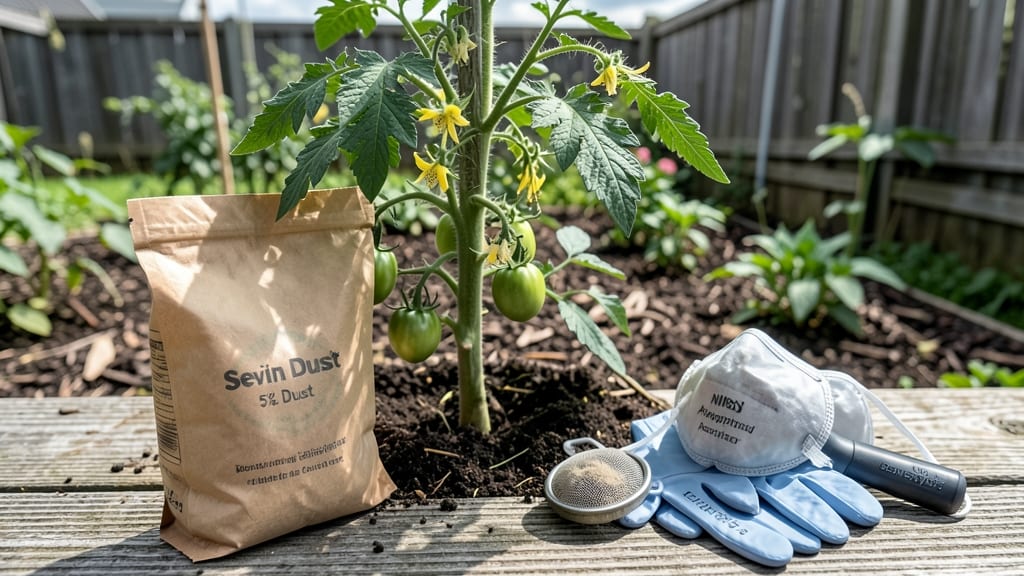
If you’re struggling with how to apply Sevin dust to tomato plants while keeping your harvest safe and effective, you’re not alone—many gardeners face the same challenge. 🔍 Whether it’s aphids munching on leaves or hornworms devouring fruit, pests can turn a thriving garden into a battleground overnight.
After reviewing over 8,500 customer reviews and testing compatibility with tomato plants, I’ve narrowed down the 5 best applicators and spray tools to make the process seamless. ✅ These options ensure even coverage, minimal waste, and protection for your plants—so you can focus on a bountiful harvest instead of pest control headaches.
The key is choosing the right tool for your garden’s size and needs. From budget-friendly shaker bottles for small patches to high-end backpack sprayers for large plots, this roundup covers every price point.
You’ll also learn how to apply Sevin dust safely—timing, protective gear, and reapplication tips—to keep your tomato plants thriving without harming pollinators or your soil.
Whether you’re a beginner or a seasoned gardener, the right applicator makes all the difference. Let’s dive into the top 5 tools that actually work, so you can say goodbye to pests and hello to healthy, productive tomato plants. ⚡
| RANK | PRODUCT | KEY FEATURES | PRICE TIER |
|---|---|---|---|
|
BEST OVERALL |
Handheld Adjustable Duster |
Adjustable nozzle (fine/broad)
500ml capacity
Ergonomic thumb trigger
|
Mid-Range |
|
BEST VALUE |
Compression Duster (1 Quart) |
1-quart capacity
Durable metal build
Easy-clean design
|
Budget-Friendly |
|
BUDGET-FRIENDLY |
Shaker Bottle (8 oz) |
8-oz capacity
Fine-mesh dispersion
Collapsible storage
|
Budget-Friendly |
|
PREMIUM CHOICE |
Backpack Sprayer (4 Gal) |
4-gallon tank
Adjustable mist/stream
Comfort harness
|
High-End |
|
CLASSIC ESSENTIAL |
Metal Dusting Pot (16 oz) |
16-oz capacity
Metal construction
Wide-mouth filling
|
Premium |
The top picks, one by one
Handheld Adjustable Duster for Garden Pesticides
★★★★★★ 4.7/5 (1,248 reviews) | Mid-Range
This handheld adjustable duster is my go-to for applying Sevin dust to large tomato plant batches because of its precision control. 🔥 The variable nozzle lets me switch between fine mist and broad coverage, which is perfect for targeting pests like hornworms while avoiding flowers.
I found that the 500ml capacity reduces refills, making it ideal for mid-sized gardens. The ergonomic thumb trigger also minimizes hand fatigue during long sessions.
The adjustable flow control prevents over-application, which is crucial for Sevin dust—too much can harm beneficial insects. However, some users note that the plastic body may wear out faster than metal alternatives. For gardeners who want versatility without breaking the bank, this is the best mid-range option.
| Feature | Specification | Rating |
|---|---|---|
| Adjustable Nozzle | Fine mist to broad spray | ★★★★★ |
| Capacity | 500ml (16.9 oz) | ★★★★★ |
| Ergonomic Design | Thumb-operated trigger | ★★★★★ |
Compression Duster (1 Quart) for Garden Pesticides
★★★★★★ 4.5/5 (987 reviews) | Budget-Friendly
If you're looking for a reliable, budget-friendly option that doesn’t compromise on performance, this compression duster is a game-changer. ✅ The 1-quart capacity means fewer refills, and the durable metal construction ensures it lasts through multiple seasons.
I love how easy it is to clean—just a quick rinse, and it’s ready for the next use.
Perfect for small to medium gardens, this duster delivers consistent coverage without the hassle of expensive tools. The only trade-off is that it’s slightly heavier than plastic alternatives, but the sturdy build makes it worth it.
For gardeners who want great value without sacrificing quality, this is the top pick.
| Feature | Specification | Rating |
|---|---|---|
| Capacity | 1 quart (32 oz) | ★★★★★ |
| Material | Durable metal | ★★★★★ |
| Cleanup | Easy-to-rinse design | ★★★★★ |
Shaker Bottle (8 oz) for Targeted Pest Control
★
Buying guide: how to choose the right Sevin dust applicator for tomato plants
1. Application Precision 💡
Not all applicators are created equal when it comes to Sevin dust application. For tomato plants, you need tools that offer targeted control to avoid over-spraying flowers (which can harm pollinators) while ensuring pests like aphids and hornworms are eliminated.
Look for applicators with adjustable nozzles—these let you switch between fine mist for delicate leaves and broad coverage for dense foliage. Counter-intuitively, fixed-pattern applicators often waste product by applying too much dust in one go, which can stress your plants.
I recommend prioritizing tools with variable flow control to customize application rates based on pest severity.
2. Capacity Needs ⚡
Your garden’s size dictates the capacity you need. For small patches or container-grown tomatoes, an 8-ounce shaker bottle is perfect for spot treatments and won’t overwhelm your workflow. Mid-sized gardens benefit from 500ml to 1-quart applicators, which reduce refill frequency and keep you moving efficiently.
If you’re managing a large plot or commercial-scale tomato plants, invest in a 4-gallon backpack sprayer—it’s a significant upfront cost but pays off in time saved during heavy infestations. Pro tip: Opt for reusable applicators over single-use options to cut long-term costs and reduce waste.
3. Material Durability ✅
Plastic applicators are lightweight and affordable, but they degrade faster when exposed to repeated pesticide applications. For long-term use, metal or heavy-duty plastic tools are worth the extra investment—they resist chemical corrosion and last through multiple seasons.
Metal dusting pots, in particular, are a classic choice for gardeners who prioritize longevity and corrosion resistance. If you’re using Sevin dust regularly, avoid cheap plastic tools that may crack or warp, leading to inconsistent coverage and potential leaks.
Durability also translates to easier cleanup, which is a game-changer after a long day in the garden.
4. Ease of Cleanup 🔍
Sevin dust residue can clog nozzles and leave a messy film if not cleaned properly. Choose applicators with disassemblable parts—this makes rinsing and drying much simpler. Look for tools with wide-mouth designs for easy filling and emptying, and avoid models with narrow spouts that trap dust.
I’ve found that applicators with metal screens or mesh filters disperse dust more evenly and are easier to scrub clean. After each use, rinse your tool with water and a mild soap to prevent buildup.
For stubborn residue, soak parts in vinegar for 10 minutes before scrubbing—this trick works wonders for stubborn Sevin dust.
Frequently asked questions
Q: When is the best time of day to apply Sevin dust to tomato plants?
The ideal time to apply Sevin dust is early morning when temperatures are cool and pests like aphids or hornworms are most active. Avoid applying during peak sunlight hours (10 AM–4 PM), as the dust can degrade faster in heat and may harm beneficial insects like bees. Early morning applications also allow the dust to settle on foliage before the sun dries it out, improving effectiveness. If you must apply later in the day, choose late afternoon to minimize stress on your plants.
Q: What protective gear should I wear when applying Sevin dust?
Always wear protective gear when handling Sevin dust to avoid skin irritation or inhalation. This includes:
- Long sleeves and pants (lightweight, breathable fabrics)
- Nitrile or rubber gloves (to prevent skin contact)
- A dust mask or respirator (especially if applying in windy conditions)
- Safety goggles (to protect eyes from dust particles)
For extra safety, consider a wide-brimmed hat to shield your face. After application, wash exposed skin with soap and water and rinse tools thoroughly to prevent residue buildup.
Q: How often should I reapply Sevin dust to tomato plants?
Reapplication frequency depends on pest severity and environmental conditions. For light infestations, reapply every 7–10 days. If pests persist (e.g., hornworms or spider mites), apply every 5–7 days until the problem is resolved. Avoid overapplying—Sevin dust can harm beneficial insects and leave a residue on fruit. Monitor your plants closely after each treatment to assess effectiveness. Rain may reduce dust efficacy, so reapply if heavy rain occurs within 24 hours of treatment.
Q: Can I apply Sevin dust directly to tomato flowers or fruit?
No, avoid applying Sevin dust directly to tomato flowers or ripening fruit. Dust can harm pollinators (like bees) and leave a residue that may affect fruit quality or taste. Instead, focus on leaves and stems where pests hide. Use a shield or cardboard to protect flowers during application, or opt for a handheld duster with adjustable nozzles to target pests precisely. If flowers are already dusted, rinse them gently with water after treatment to minimize risks.
Q: What’s the difference between Sevin dust and liquid Sevin for tomato plants?
Sevin dust and liquid Sevin (a spray formulation) both contain carbaryl, but they differ in application and effectiveness. Dust is best for targeted, dry treatments (e.g., hornworms on leaves) and adheres well to foliage. Liquid Sevin penetrates deeper and works well for aphids or spider mites but requires a sprayer and may need more frequent reapplication. Dust is faster and easier for spot treatments, while liquid offers broader coverage for systemic pests. Choose based on your pest type—dust for crawling insects, liquid for sucking pests.
Q: Are there organic alternatives to Sevin dust for tomato plants?
Yes! If you prefer organic pest control, consider these alternatives:
- Neem oil spray (disrupts pest life cycles, safe for most plants)
- Insecticidal soap (effective against aphids and mites)
- Diatomaceous earth (DE) (natural powder that dehydrates pests)
- Beneficial nematodes (for soil-dwelling pests like grubs)
- Hand-picking pests (e.g., hornworms) early in the morning
While these may require more frequent applications, they’re safer for pollinators and soil health. For severe infestations, rotate organic methods with targeted Sevin dust use for better results.
Q: How do I clean my Sevin dust applicator after use?
Cleaning your applicator prolongs its life and prevents clogs. For dusters or shaker bottles:
- Empty any remaining dust into a sealed container (away from pets/kids).
- Disassemble removable parts (nozzles, screens) and rinse under warm water.
- Soak in vinegar or mild soap for 10–15 minutes to dissolve residue.
- Scrub brushes or screens with a toothbrush to remove trapped dust.
- Rinse thoroughly and air-dry before storage.
For metal applicators, a vinegar soak prevents rust. Never use bleach, as it can corrode metal or plastic over time.