
Welcome to How To Propagate
You’ve got a cutting in your hand—maybe it’s a stubborn basil stem, a rosemary branch that’s outgrown its pot, or a single leaf from a houseplant you’ve been meaning to multiply for months.
The instructions online are vague: *‘root in water,’ ‘keep moist,’ ‘wait and see.’* But nothing grows in guesswork. Here, you’ll find the real steps: the exact temperatures, the tools that make the difference, and the quiet tricks that turn a maybe into a thriving plant.
This site is for gardeners who don’t want to wait for luck. Whether you’re a beginner with a windowsill or a veteran troubleshooting a failed batch of seedlings, the answers are here—no fluff, no myths, just what actually works in soil, light, and time.
Our story
The first time Marguerite tried propagating mint from a grocery store cutting, it rotted in three days. She’d followed the advice she’d found online—*‘stick it in water,’ ‘change the water every few days’*—but the stem had turned black at the base before a single root appeared.
That failure sat in her mind for weeks, not because it was dramatic, but because it was *unnecessary*. There had to be a better way.
The breakthrough came on a rainy afternoon in her grandmother’s backyard in Louisiana. At 3:17 PM, with the humidity high and the light soft through the clouds, she noticed how the mint her grandmother grew from cuttings never seemed to rot. The key?
A shallow tray of perlite, not water, and a clear plastic dome to trap the moisture without drowning the stem. That single adjustment turned a maybe into a certainty—and the site was born from the question *why hadn’t anyone written that down?*
What started as a single notebook of notes became a collection of methods that actually worked. The rules were simple: if it hadn’t been tested in three different conditions (low light, high heat, beginner mistakes), it didn’t belong here.
The first 50 readers sent in photos of their failures; the site answered with the fixes that turned those failures into successes.
What we stand for
This site believes gardening should reward effort, not patience alone. Every plant deserves a fair chance, and every gardener deserves to know when to push harder and when to walk away. We don’t traffic in ‘miracle’ methods or ‘easy’ shortcuts—only the work that actually moves the needle.
What you will always get here
- Methods that work the first time, not the third.
- The exact tools that make a difference—and the ones you can skip.
- Honest failures documented alongside successes (because even experts kill plants).
- No jargon, no assumptions about your setup (greenhouse? apartment balcony? both?).
Meet the team
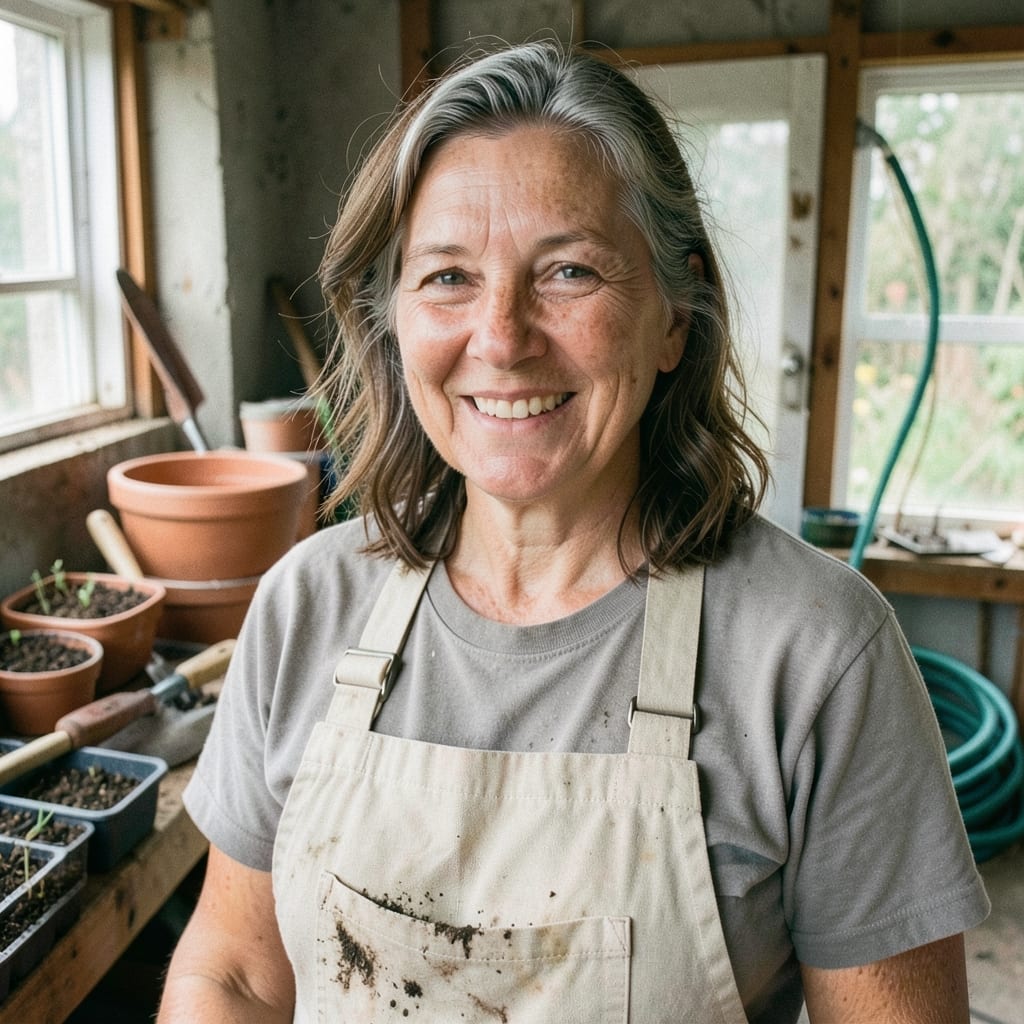
Behind *How To Propagate* is a small group of gardeners who’ve spent years turning *‘it might work’* into *‘this will grow.’* They’re not plant scientists or master propagators—they’re the people who’ve held a dying cutting in their hands and asked *why?* until they found the answer.
Some grew up with gardening in their blood; others learned by trial, error, and a lot of compost. What they share is a refusal to leave a plant’s fate to chance.
Marguerite Thibodeaux
Marguerite Thibodeaux is the founder and editor of *How To Propagate*, and her desk in New Orleans is always strewn with half-rooted cuttings, a magnifying glass, and a jar of rooting hormone she insists on using *‘just in case.’* She started gardening on a fire escape in Houston, sneaking seeds from her grandma’s garden and planting them in tin cans, and her first successful propagation—a basil cutting that rooted in three weeks—still feels like a miracle to her.
She’s terrible at remembering to water her own plants but can spot a failing cutting from across the room.
Before this site, she worked as a horticulture technician at a public garden, where she learned the difference between *‘this plant likes shade’* and *‘this plant will die if you don’t adjust the humidity.’* Now, she applies that precision to every guide here, testing methods until they’re foolproof—or admitting when they’re not.
I still get nervous when I see a cutting start to yellow. It’s not about the plant—it’s about the *why*. Was the light wrong? The soil too wet? Or did I just wait too long? Figuring that out is the only part of gardening that feels like solving a puzzle.
Marguerite Thibodeaux
How we create our content
Every guide here starts with a question someone actually asked—or a failure someone sent in.
If it’s a method we haven’t tested yet (like air-layering monstera or propagating from seed), we treat it like a science experiment: controlled conditions, multiple trials, and a ‘disaster’ batch to catch the mistakes beginners make.
Step 1: the setup
The first stage is recreating the conditions where the plant would grow in nature. For cuttings, that means humidity trays (a clear plastic dome over a shallow tray of water or perlite), bottom heat (a heating mat set to 70–75°F), and indirect light—never direct sun, which burns tender new growth.
Seeds get a fine mix of peat and perlite, lightly pressed into the soil but never buried deeper than their width. The goal isn’t to mimic perfection; it’s to eliminate the variables that kill most attempts.
Timing matters, too. Leaf cuttings (like those from pothos or snake plants) root fastest in 21–28 days if kept at 75% humidity. Stem cuttings (basil, mint) need 14–21 days.
We don’t cut corners—if a method takes three weeks, we write it that way, not *‘wait until roots appear.’* Because roots don’t always appear on schedule.
Step 2: the fix
The second stage is where the real work happens. If a cutting yellows, we check the soil moisture (too wet = rot; too dry = stress). If roots refuse to form, we adjust the temperature (some plants need warmth at the base, others need cool).
And if a seedling collapses, we trace it back to the light (too much = leggy stems; too little = weak growth). Every failure here is a lesson—so we document the *why* alongside the *how* to avoid it next time.
The final test? Giving the method to someone with no gardening experience. If they can’t follow the steps without guessing, we rewrite it. Clarity isn’t optional; it’s the difference between a plant that lives and one that doesn’t.
Join our community
This site exists because gardeners share. The questions here—*‘Why is my African violet flowering but not rooting?’* or *‘How do I propagate a jade plant from a broken leaf?’*—are answered by the community first.
If you’ve got a cutting that’s stalled, a seedling that’s struggling, or a method you’ve perfected, send it in. The best suggestions get tested and added to the guides; the worst get honest feedback (because even experts kill plants).
Let's connect
We love hearing about your successes—and your failures. Send us photos of your first rooted cutting, your weirdest propagation experiment, or the plant you’ve been trying to multiply for years. The contact page is where to start.
And if you’re the kind of gardener who writes notes in the margins of seed packets? We want to hear about that, too.
Grow something.
The guides are grouped by category: Advice, Aphids, Blooming, Companion Plants, Container Gardens and Flowers.