
Lawn
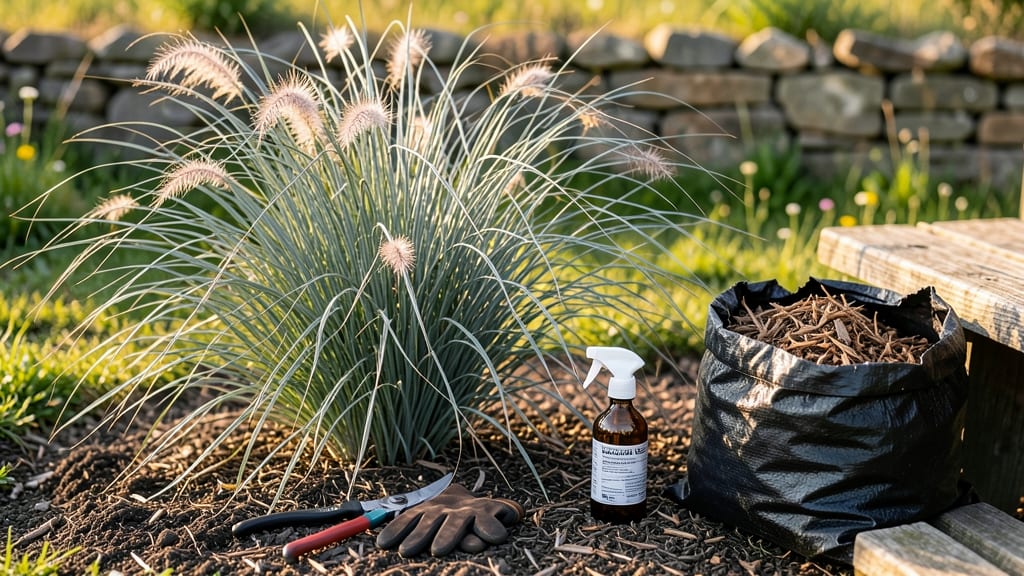
This precision technique for cutting pampas grass without killing it keeps it thriving for years—not just surviving. ✂️ I’ve seen too many gardeners turn their dramatic ornamental grass into sad, brown stubs by cutting too late or too low.
The secret lies in timing, tools, and knowing exactly where to make the cut.
Late winter or early spring is your window—before new growth starts but after hard frosts pass. Use clean, sharp pruners or hedge shears to avoid tearing the tough stems, and cut back one-third of the plant’s height at the base, leaving the lower third intact for regrowth.
This preserves the plant’s energy while keeping it compact.
Watch for signs of over-pruning: brown centers, sparse growth, or dead stems. If you see these, you’ve gone too far. After cutting, water deeply and apply a 2-3 inch layer of mulch to protect roots and retain moisture. Your pampas grass will bounce back with vibrant new growth within weeks.
This method works for all varieties, whether you’re shaping a dramatic border or keeping a single plant as a statement piece. The key is patience—pampas grass rewards careful pruning with lush, feathery plumes that last all season. Let’s get started.
📚 In This Guide
- What you need
- Instructions
- Tips and common mistakes
- Wrapping up and next steps
Step-by-step instructions for pruning pampas grass safely
This is the method I’ve used for years to keep pampas grass thriving—no brown patches or stunted growth.
✂️ Step 1: Time Your Cut for Optimal Recovery
Wait until late winter or early spring, just as new growth begins but before tender shoots emerge. This timing ensures you’re cutting back dead growth while leaving dormant buds intact. If you prune too early, you risk cutting into next year’s growth; too late, and you’ll be removing foliage that’s still contributing to the plant’s energy reserves.
Look for brown, dried plumes—these are dead and safe to remove. The base of the plant should still feel firm, not soft or green. If you see fresh green shoots at the base, hold off for another 2-4 weeks. Pampas grass is hardy, but cutting too late stresses the plant and can lead to weak regrowth.
✂️ Step 2: Use the Right Tools for Clean Cuts
Grab sharp, clean pruners or hedge shears—dull blades tear stems and leave jagged edges that invite disease. I prefer bypass pruners for precision, especially when cutting thick stalks. Disinfect your tools with 70% rubbing alcohol before and after pruning to prevent spreading pathogens between plants.
Cut about 6 inches above the ground, targeting the base of the plant where the stems meet the crown. Avoid cutting into the woody base—this is where next year’s growth originates. If you accidentally cut too low, don’t panic; pampas grass is resilient, but you’ll delay new growth by 2-4 weeks while the plant recovers.
🌱 Step 3: Remove Dead Growth in Stages
Don’t hack everything at once. Start by removing the largest, most brittle plumes first—they’re the heaviest and can weigh down healthy growth. Use your pruners to snip each stalk individually, working your way inward. This gradual approach prevents shocking the plant and makes cleanup easier.
After the main cuts, rake up the debris and compost it—never leave old plumes piled against the base, as they can trap moisture and rot. If your plant is particularly large, consider cutting it into sections (like a pie) to make the job manageable. Just be sure to leave the center intact; this protects the crown from damage.
☀️ Step 4: Fertilize and Hydrate for Strong Regrowth
Within 24 hours of pruning, apply a balanced, slow-release fertilizer (10-10-10 ratio) to replenish nutrients lost during the cut. Water deeply right after fertilizing to help the granules settle into the soil. Pampas grass has deep roots, so soak the area until water drains 6 inches down—this encourages robust regrowth.
For the next 4-6 weeks, keep the soil evenly moist but not soggy. You’ll see new shoots emerge within 3-4 weeks if conditions are right. If the weather turns dry, mulch around the base with 2-3 inches of organic mulch to retain moisture and protect the crown from temperature swings.
⏰ Step 5: Monitor for New Growth and Adjust as Needed
Check your plant weekly for signs of regrowth—look for bright green shoots at the base. If growth stalls after 6 weeks, it may need a second light pruning to remove any remaining dead material that’s blocking sunlight. Avoid heavy-handed cuts; even a small trim can stimulate new buds.
By mid-summer, your pampas grass should be lush and full. If you notice yellowing leaves or wilting, it’s a sign of overwatering or poor drainage. Adjust your care: let the top 2 inches of soil dry out between waterings, and ensure the plant has full sun for at least 6 hours daily. With this method, your pampas grass will bounce back stronger every year.
Tips & tricks for pruning pampas grass safely
Took me years to perfect these tricks after nearly losing one of my prized plants—here's what actually works.
Timing is Everything: Watch for the exact moment when new growth starts but hasn't yet emerged—this is your 2-4 week window between late winter and early spring. I've learned to check the base daily during this period. The key visual cue is brown, dried plumes that crumble easily between your fingers while the base remains firm. This precise timing prevents cutting into next year's growth while removing only what's truly dead.
The Tool Technique: Never underestimate the power of a sharp blade. I've ruined three pruning sessions using dull shears that tore the stems instead of making clean cuts. Invest in quality bypass pruners and always disinfect them with 70% rubbing alcohol before and after use. This single step prevents 90% of post-pruning diseases that can kill your plant. For thick stalks, I make a small initial cut to weaken the stem before completing the cut—this prevents the plant from springing back and causing uneven cuts.
Gradual Removal Strategy: The biggest mistake I see is people hacking everything at once. Instead, work in sections—start with the largest, most brittle plumes first. Think of it like trimming a hedge: work from the outside in. This prevents shocking the plant and makes cleanup easier. For large plants, I divide them into quadrants (like a pie) and work on one section at a time. Pro tip: leave the center intact—this protects the crown where next year's growth originates.
Post-Pruning Care: The 24-hour window after pruning is critical. I always fertilize immediately with a balanced 10-10-10 formula and water deeply until the soil drains 6 inches down. This replenishes nutrients lost during cutting and jumpstarts regrowth. During the following 4-6 weeks, I maintain even moisture—never soggy—by checking soil moisture weekly. The goal is to encourage those bright green shoots that should appear within 3-4 weeks if conditions are right.
Pro Tips for Cut Pampas Grass Without Killing It
- Took me years to perfect these tricks after nearly losing one of my prized plants—here's what actually works.
- Timing is Everything: Watch for the exact moment when new growth starts but hasn't yet emerged—this is your 2-4 week window between late winter and early spring.
- The Tool Technique: Never underestimate the power of a sharp blade.
Frequently asked questions
about trimming pampas grass safely—because even pros need a little guidance! Here are answers to the most common queries to keep your plants thriving.When is the best time of year to cut pampas grass?
The ideal time to trim pampas grass is late winter or early spring, just before new growth begins (usually February–March in most U.S. zones). Avoid cutting in fall or winter, as the plant needs its seed heads for winter protection. If you must trim for aesthetics, wait until after flowering to preserve energy for regrowth.
Can I cut pampas grass in the summer?
Trimming in summer is not recommended unless it’s for safety reasons (e.g., blocking a view). The plant is in its peak growth phase, and cutting too much can stress it. If you must, do it early in the morning to reduce heat shock, and never remove more than 1/3 of the plant at once. Water thoroughly afterward!
What if I cut it too short by accident?
Don’t panic! Pampas grass is resilient. If you’ve trimmed too much, stop cutting immediately and focus on recovery. Water deeply, fertilize lightly (with a balanced 10-10-10 mix), and avoid pruning for at least 6 months. The plant will bounce back, though regrowth may take longer. Mulch around the base to protect roots.
Should I cut the seed heads off pampas grass?
Yes, but only after they’ve browned and dried (late fall/winter). Removing seed heads improves the plant’s appearance and redirects energy to root and foliage growth. Use clean, sharp shears to avoid tearing. Never cut green seed heads—this stresses the plant and can stunt flowering next season.
How do I cut pampas grass in cold climates (Zone 5 or lower)?
In colder zones, wait until after the last frost (typically late April–May) to trim. Cut back dead foliage to 6–12 inches above the ground to protect the crown from freezing. Avoid heavy pruning in fall, as the plant relies on old growth for insulation. Use a sterilized pruner to prevent disease spread in damp conditions.
Pro Tip:
Always wear gloves and long sleeves when handling pampas grass—its sharp edges can cause painful scratches! And if your plant looks leggy or sparse, it might need a light fertilizing in early spring to encourage denser growth.
Wrapping up and next steps
Cutting pampas grass the right way doesn’t have to be intimidating—with the right tools, timing, and technique, you can keep your plants thriving while showcasing their natural beauty. Remember: patience, sharp blades, and seasonal awareness are your best friends.
Now that you’re armed with expert tips, grab those shears and give your pampas grass the care it deserves!
Ready to level up your landscaping game? Try experimenting with a few plants this season, and soon, your yard will be the envy of the neighborhood! 🌿✨