
Pests
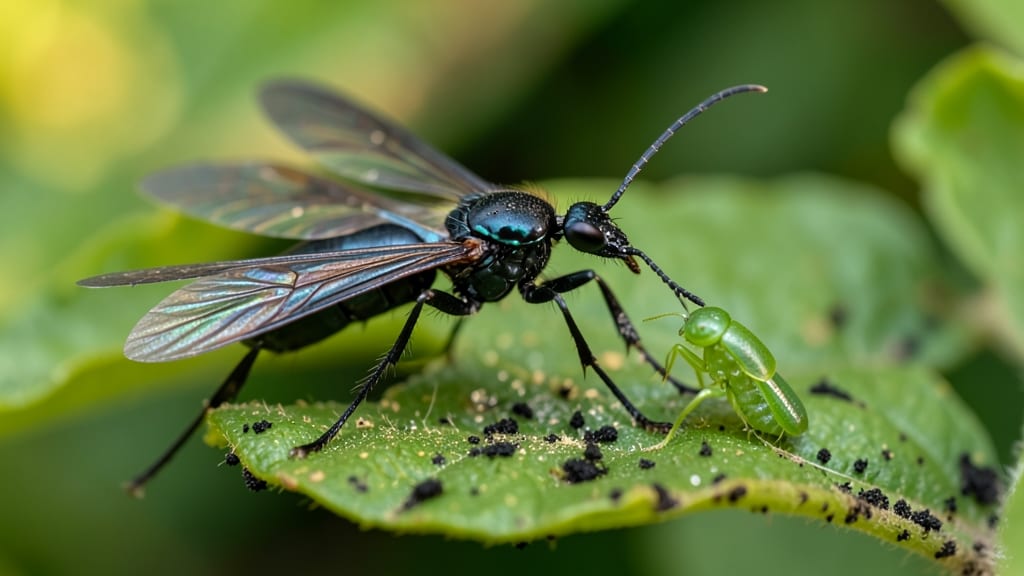
How to attract parasitic wasps—tiny wasps with a big job: saving your garden from pests. 🌿 These parasitic wasps aren't the aggressive yellowjackets you fear—they're the silent heroes that hunt caterpillars, aphids, and other garden nuisances, laying their eggs inside them. One wasp can control hundreds of pests without chemicals, making your garden healthier and more productive.
Here's the secret: they're drawn to specific plants like dill, fennel, and yarrow, which provide nectar and shelter. I've seen my garden transform after adding these wasp-friendly plants—fewer holes in leaves, no more aphid colonies, and a noticeable boost in pollinators.
The best part? You don't need fancy equipment, just a few strategic additions to your garden layout.
You'll create a thriving ecosystem where these beneficial insects naturally balance pests. Imagine walking through your garden and seeing fewer pests without ever touching a spray bottle. The key is patience and consistency—these wasps take time to establish, but once they do, they'll work year after year.
This approach works for vegetable gardens, flower beds, and even container gardens. The method is chemical-free, sustainable, and gets better each season as the wasp population grows. Let's get your garden working with nature, not against it.
📚 In This Guide
- What you need
- Instructions
- Tips and common mistakes
- Wrapping up and next steps
What you need
- ● Host pest infestations: Target pests like caterpillars, aphids, or beetles (the wasps’ favorite snacks!)
- ● Water source: Shallow dish (e.g., 6-inch diameter) filled with 1-2 inches of water
- ● Small stones or twigs to prevent drowning (wasps need safe landing spots!)
- ● Shelter options: Purple coneflower or dill plants (native to your region)
- ● Small wooden nest boxes (e.g., 4x4-inch with 1/4-inch entrance holes)
- ● Natural habitat: Sunny, partially shaded garden spots
- ● Low-maintenance mulch (e.g., straw or leaves) for nesting
- ● Nectar-rich flowers: Plant bee balm, lavender, or cosmos for extra food sources.
- ● Pheromone lures: Commercial parasitic wasp attractants (check local regulations first!).
- ● Diverse plantings: Mix herbs, wildflowers, and shrubs to create a wasp-friendly ecosystem.
- ● Pest monitoring: Use sticky traps (sparingly!) to track pest activity without harming wasps.
Step-by-Step instructions for creating a parasitic wasp habitat
Here's how to turn your garden into a magnet for these tiny, mighty pest controllers.
🪴 Step 1: Plant Host Plants That Attract Target Pests
Parasitic wasps locate prey by following the scent trails of their hosts. Plant aphid-friendly herbs like dill, fennel, and cilantro near problem areas—these attract aphids, which in turn draw parasitic wasps. I always plant a small patch of Queen Anne's lace (wild carrot) in early summer; it's a magnet for caterpillars and their wasp predators.
For caterpillar control, include parsley, dill, and milkweed—their leaves host caterpillars that parasitic wasps hunt. Place these plants near your vegetable beds or flower borders where pests are most active. The more diverse your plantings, the wider the range of wasps you'll attract—some species specialize in aphids, others in caterpillars or beetle larvae.
☀️ Step 2: Provide Shelter and Nesting Sites
Parasitic wasps need safe places to overwinter and nest. Install wooden nesting blocks (available at garden centers) near your planting areas. These mimic the natural cavities wasps use. I place mine near the base of sunflower stalks or empty beetle holes in deadwood—wasps prefer these microhabitats.
Leave patches of bare soil or mulch-free zones in sunny spots. Many wasp species dig shallow burrows in loose soil to lay their eggs. If your soil is compacted, create small mounds of sandy loam in 6-inch diameter circles. Check for tiny holes (about 1/8-inch wide
Wasps need water to survive, but they won't use standing pools—they prefer shallow, safe sources. Place small dishes filled with pebbles and water near their nesting sites. The pebbles create landing platforms so wasps can drink without drowning. I use 3-inch diameter saucers with ½-inch deep water and smooth river rocks. Refresh the water every 2-3 days to prevent mosquito breeding. Avoid soapy water—wasps are sensitive to chemical residues. Position these stations in shaded areas where temperatures stay below 85°F; wasps become less active in extreme heat. You'll see them visiting within 3-5 days if other conditions are right. Parasitic wasps are highly sensitive to pesticides. If you must treat for pests, use neem oil or insecticidal soap—these are less toxic to beneficial insects. Time applications carefully: spray in early morning or late evening when wasps are least active. I avoid treating plants when wasps are actively hunting (usually late morning to early afternoon). Never use systemic pesticides (like those applied to soil or seed). These chemicals travel through plant tissues and poison wasps when they lay eggs in caterpillars. If you've used broad-spectrum pesticides recently, wait 30-60 days before expecting wasp activity. The garden will need time to recover its natural chemical balance. Check your wasp habitat monthly. In spring, look for new nesting holes—this means your setup is working. If you see fewer than 5 holes per square yard by mid-summer, add more nesting sites. I mark active nesting areas with small flags so I know which spots to protect during winter cleanup. Leave dead plant stems and leaf litter in garden beds through winter. Many wasp species overwinter as pupae in these protected areas. Only remove debris in late winter after the last frost (below 32°F). You'll see new wasp activity by early May if your habitat survived the winter intact.💧 Step 3: Offer Water Sources for Adult Wasps
🌿 Step 4: Reduce Chemical Interference
⏰ Step 5: Monitor and Maintain Year-Round
Tips & tricks for creating a parasitic wasp habitat
Between us, these small details make all the difference when transforming your garden into a wasp paradise.
Plant Diversity is Key: In Step 1, don't just focus on the umbelliferous plants—add clover and asters for late-season nectar. I've noticed parasitic wasps stay longer in gardens with five or more plant families because they provide continuous food sources throughout the growing season. The more variety, the better the wasp population will thrive.
Timing Your Cleanup: When you're ready to prune those standing dead stems in Step 2, wait until late March or early April when new growth appears. I learned this the hard way—cutting too early can remove overwintering wasps before they emerge. Mark your calendar now to avoid this common mistake.
Wood Selection Matters: For Step 3, stick with untreated cedar, willow, or apple wood—these are wasp favorites. I've found that 2-inch-thick slabs create perfect nesting conditions, but you can also use drill holes (1/8-inch diameter) in untreated wood blocks if you prefer a more controlled setup. Avoid pressure-treated lumber at all costs.
Water Source Strategy: In Step 4, place your pebble dishes near but not directly in planting beds. I position mine about 3 feet from vegetable plants—this gives wasps easy access to water while keeping them near their prey. The partial shade placement is crucial too; full sun causes rapid evaporation and attracts unwanted insects.
Pro Tips for Attract Parasitic Wasps
- Between us, these small details make all the difference when transforming your garden into a wasp paradise.
- Plant Diversity is Key: In Step 1, don't just focus on the umbelliferous plants—add clover and asters for late-season nectar.
- Timing Your Cleanup: When you're ready to prune those standing dead stems in Step 2, wait until late March or early April when new growth appears.
Frequently asked questions
Got questions about harnessing parasitic wasps for your garden? You’re not alone! Here are some of the most common concerns—and straightforward answers—to help you get started with confidence.
Are parasitic wasps safe for humans and pets?
Yes! These tiny helpers are harmless to humans and pets. Unlike honeybees or yellowjackets, parasitic wasps don’t sting unless provoked. They focus solely on pest eggs or larvae, making them a non-invasive solution for your garden. Always avoid squishing them—just observe their hard work from a distance!
When is the best time of year to attract them?
Timing matters! Aim to introduce parasitic wasps early in the pest season—typically spring to early summer—when target pests (like caterpillars or aphids) are most active. If you’re dealing with overwintering pests, late summer/fall releases can help. Pro tip: Monitor local pest cycles to align wasp activity with peak infestations.
What if I don’t want to use commercial wasp releases?
No problem! You can nurture native populations by:
- Planting native flowers (like dill, fennel, or milkweed) to provide nectar.
- Avoiding broad-spectrum pesticides that kill beneficial insects.
- Creating shelter (e.g., untidy leaf litter or brush piles) for overwintering.
What should I do if parasitic wasps aren’t showing up?
Patience and persistence pay off! If wasps are scarce, check these fixes:
- Confirm pest presence: Wasps target specific hosts (e.g., tomato hornworms). Ensure your garden has their preferred prey.
- Adjust timing: Release wasps at dawn or dusk when pests are most active.
- Recheck releases: Store purchased wasps in a cool, dark place (like a fridge) until use.
Will parasitic wasps eliminate ALL my pests?
While they’re highly effective against certain pests (e.g., caterpillars, aphids, or beetle larvae), they won’t solve every problem. Think of them as a layered defense: Combine them with crop rotation, companion planting, and manual removal for comprehensive control. Over time, you’ll likely see a dramatic reduction in targeted pests!
Wrapping up and next steps
Attracting parasitic wasps to your garden is a game-changer for natural pest control—no chemicals needed! 🌿 By creating a welcoming habitat with the right plants, water sources, and shelter, you’ll turn your yard into a thriving ecosystem where these tiny heroes keep pests in check.
Start small, stay consistent, and soon you’ll see the benefits unfold.
Ready to take action? Begin by planting a few key flowers this week and observe how your garden transforms. Every little step makes a difference—your future self (and your plants!) will thank you. 🌟