
Orchid Care
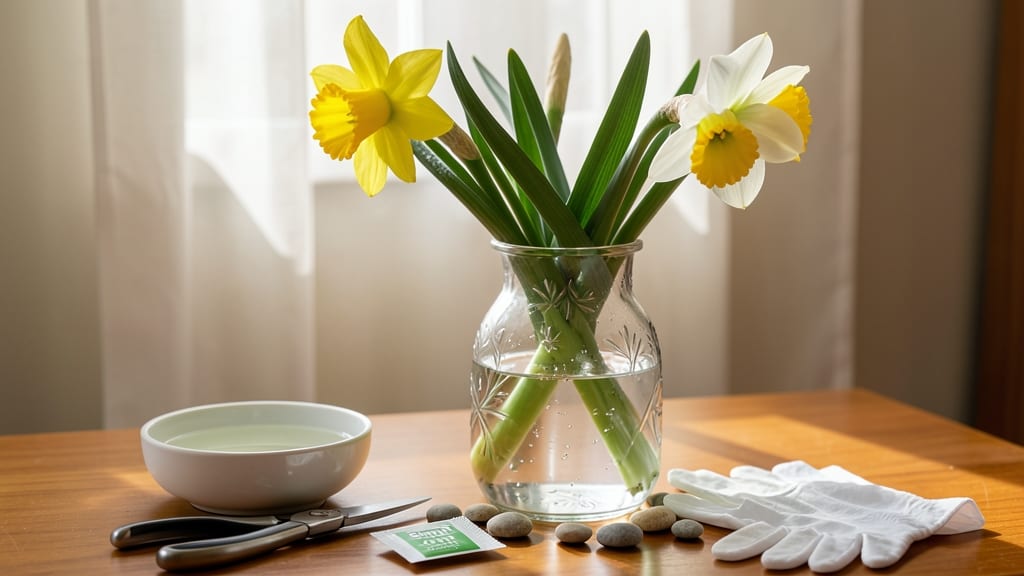
Daffodils in a vase brighten any room—but their golden blooms fade fast without the right care. 🌼 I’ve learned the simple tricks that keep them fresh for 2+ weeks, from the moment they arrive home to the final petal drop.
Start with clean water and a fresh vase—tap water often contains chlorine or bacteria that shorten vase life. Trim stems at an angle just before arranging, then add a splash of bleach (1 drop per cup of water) to keep the water crystal clear.
Place the vase in indirect light, away from drafts or heat sources, and change the water every 2-3 days.
For extra longevity, add a teaspoon of sugar to feed the blooms and a drop of floral preservative if you have it. Watch for overcrowding—too many stems compete for water, causing some to wilt faster. A single stem or a small bouquet of 3-5 works best for maximum freshness.
With these steps, your daffodils will stay vibrant longer, their cheerful faces turning heads instead of wilting in a matter of days. The secret isn’t complicated—just consistent care and a little attention to detail.
📚 In This Guide
- What you need
- Instructions
- Tips and common mistakes
- Wrapping up and next steps
What you need
- ● Fresh daffodil stems: 3–5 stems (cut at an angle just before arranging—pro tip: pick stems with tightly closed buds for longer vase life!)
- ● Clean vase: A narrow-necked glass or ceramic vase (6–8 inches tall) to minimize bacterial growth.
- ● Fresh, cold water: 1–2 cups (fill the vase ¾ full to prevent stems from bending).
- ○ Floral preservative (optional but recommended): 1 packet (e.g., Floralife or homemade sugar + bleach solution—see tips below!).
- ● Sharp scissors or floral knife: For clean cuts (avoid dull tools that crush stems!).
- ● Newspaper or paper towels: To line the vase bottom (absorbs bacteria and keeps water fresh).
- ● White vinegar (1 tsp): Added to water to inhibit bacterial growth.
- ● Sugar (1 tsp): Boosts stem hydration (mix with preservative or vinegar).
- ● Aspirin (½ tablet, crushed): Natural antibacterial agent (dissolve in water).
- ● Decorative pebbles or moss: For a stylish vase base (ensure they’re clean!).
- ● Floral food sticks: Long-lasting alternative to packets.
Step-by-Step instructions for caring for daffodils in a vase
Here's the simple routine I swear by to keep those golden trumpets fresh for weeks.
💧 Step 1: Prep the Stems Immediately After Cutting
Fill your vase with lukewarm water (never cold) and add a quarter teaspoon of bleach to prevent bacterial growth. Cut the stems at a 45-degree angle with sharp scissors—this increases surface area for water absorption. I like to do this right when I bring them inside, before they have a chance to wilt.
Strip off any lower leaves that would sit below the waterline. These leaves rot quickly and turn the water murky. You'll see the stems drink up water immediately after cutting—this is your first sign they're happy. Change the water every 2-3 days to keep it fresh.
☀️ Step 2: Place in Bright, Indirect Light
Daffodils love light but hate direct sun, which scorches their petals. Set your vase near an east-facing window where they get morning light, or about 2 feet from a west window in the afternoon. You'll notice the blooms open fully within 2-3 days—that's your cue they're in the perfect spot.
Avoid drafts from heating vents or air conditioning. Temperature swings cause buds to open unevenly or drop prematurely. If your home gets chilly at night, move the vase to a slightly warmer spot during those hours.
🌿 Step 3: Keep Water Fresh and Add Food
Every 2-3 days, recut the stems by 1 inch and refresh the water. I add 1 teaspoon of white vinegar to each new batch of water—it keeps the water clean longer by preventing algae growth. The stems will drink up the fresh water visibly within minutes.
For extra longevity, add 1 teaspoon of sugar to the water. This provides quick energy for the flowers to stay vibrant. You'll see the blooms maintain their color and shape for 7-10 days with this simple treatment—far longer than the typical 3-5 days most people get.
✂️ Step 4: Remove Spent Blooms and Leaves
As individual flowers fade, snip them off at the stem with clean scissors. This redirects the plant's energy to any remaining buds, encouraging them to open. I remove any leaves that fall below the waterline immediately—they'll rot and create bacteria that shortens the vase life.
Watch for buds that start to open unevenly. If you see a bud that's opened only halfway, gently twist it off the stem. Uneven opening is a sign the flower is stressed, and removing it helps the others last longer. With this care, you'll often get 2-3 waves of blooms from a single cutting.
Tips & tricks for perfect daffodil care
Here's what nobody tells you about keeping those golden trumpets vibrant and fresh for weeks.
The Angle Matters: When you cut those stems at a 45-degree angle in Step 1, you're not just following instructions—you're creating more surface area for water absorption. I've seen stems drink up water immediately after cutting, which is your first sign they're happy. Use sharp scissors or a knife to make clean cuts, and avoid crushing the stems, which can block water flow.
Lighting Secret: That 2-3 day window for blooms to open fully in Step 2 is your golden opportunity to position them perfectly. East-facing windows give gentle morning light without the harsh afternoon sun. If you don't have east-facing windows, a north-facing spot works too—just keep them about 2 feet from any window to avoid direct sun. You'll notice the petals stay vibrant and don't get those ugly brown spots from scorching.
Water Refresh Strategy: The 2-3 day water change in Steps 1 and 3 is non-negotiable for longevity. But here's the pro move: when you're recutting those stems by 1 inch, hold the stems under running water for about 10 seconds. This flushes out any bacteria that might have accumulated in the stem ends. The stems will drink up that fresh water visibly within minutes—it's like watching them take their first sip after a long journey.
Sugar and Vinegar Combo: That 1 teaspoon of sugar and vinegar in Step 3 isn't just random—it's science! The sugar provides quick energy to keep petals vibrant, while the vinegar prevents bacterial growth that causes that nasty murky water. I've seen daffodils maintain their color and shape for 7-10 days with this simple treatment, which is way longer than the typical 3-5 days most people get. Just don't overdo it—more sugar can cause the water to ferment.
Pro Tips for Care For Daffodils In A Vase
- Here's what nobody tells you about keeping those golden trumpets vibrant and fresh for weeks.
- The Angle Matters: When you cut those stems at a 45-degree angle in Step 1, you're not just following instructions—you're creating more surface area for water absorption.
- Lighting Secret: That 2-3 day window for blooms to open fully in Step 2 is your golden opportunity to position them perfectly.
Frequently asked questions
Got questions about keeping your daffodils fresh and fabulous in a vase? You’re not alone! Here are some of the most common queries—and their easy, practical solutions.
How long do daffodils last in a vase?
With the right care, daffodils typically stay vibrant for 5 to 7 days—sometimes even up to 10 days! To maximize their lifespan, change the water every 2–3 days, trim stems at an angle, and keep them in a cool spot away from direct sunlight or heat sources like radiators.
Why are my daffodils wilting so fast?
Daffodils wilt quickly if they’re thirsty, blocked, or stressed. Check these fixes:
- Stale water: Daffodils are sensitive to bacteria. Refresh the water daily and add a drop of bleach (1 part to 10 parts water) to keep it clean.
- Closed buds: If buds stay unopened, they’re often too cold. Move them to a warmer spot (like a sunny windowsill) to encourage blooming.
- Ethylene gas: Keep them away from fruits (like apples) or other flowers, as ethylene speeds up aging.
Do daffodils need special water?
Nope! Use lukewarm or room-temperature water—never cold straight from the tap, which can shock the stems. For extra longevity, add a flower food packet (or a pinch of sugar + bleach) to the water. Avoid tap water with high chlorine or fluoride, which can shorten their life.
Can I reuse the vase for other flowers?
Just clean it thoroughly to avoid bacterial buildup. Soak the vase in a mix of hot water + vinegar or bleach, then rinse well. Daffodils are not toxic, but leftover pollen or sap might affect sensitive flowers like orchids or lilies—so rinse again if switching to a different type.
What should I do with daffodils after they die?
Don’t toss them! Try these eco-friendly options:
- Compost them: Remove stems and leaves, then add the blooms to your compost pile—they’ll break down naturally.
- Press the flowers: Place blooms between heavy books for 2–4 weeks to preserve them for crafts.
- Plant the bulbs: If your daffodils were grown from bulbs (not forced for cut flowers), you can plant them outdoors in fall—they’ll often regrow!
Wrapping up and next steps
Caring for daffodils in a vase is all about simple tricks—fresh cuts, clean water, and a little patience! With the right steps, you’ll enjoy their golden cheer for weeks instead of days. 🌼
Now that you’re armed with the secrets, grab a vase and try it yourself! Share your blooming success (or ask questions) in the comments—we’d love to see (and help) your daffodil displays shine.