
Companion Plants
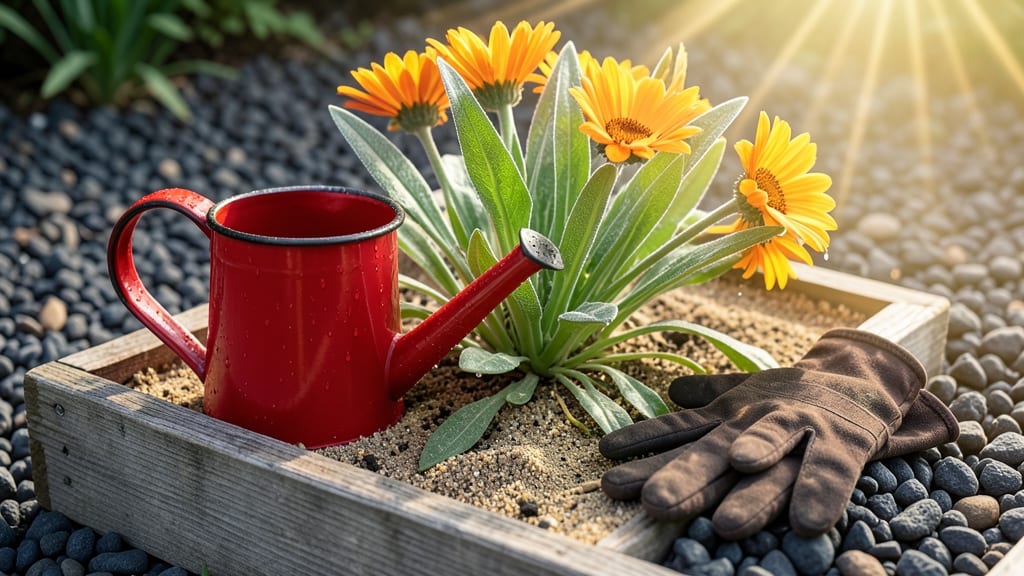
How to care for Gazania plants will give you bold, sun-kissed blooms that last from morning until evening. 🌻 I've grown them for years, and they never fail to bring color to hot, dry spots where other plants struggle. The key? Mimicking their natural desert habitat—full sun, minimal fuss, and soil that drains like a sieve. These drought-tolerant stars thrive with once-a-week watering in summer, but they'll wilt if left soggy. Deadhead spent blooms regularly to keep flowers coming, and watch them bounce back from heat waves that would crisp other perennials. The secret's in their roots—keep them dry, and they'll reward you with nonstop color from spring through frost. Common issues? Overwatering causes root rot, while pests like aphids rarely bother these tough plants. A quick spray of water usually clears them. In winter, mulch lightly to protect roots—gazanias are tender perennials that'll return bigger and brighter each season. Perfect for borders, containers, or rocky slopes. Here's how to keep them thriving all season long.
📚 In This Guide
- What you need
- Instructions
- Tips and common mistakes
- Wrapping up and next steps
What you need
- ● Gazania plants: 3–6 plants (depending on desired coverage; spacing ~12–18 inches apart). Choose healthy seedlings or mature plants from nurseries.
- ● Well-draining potting mix: 5–10 gallons (for containers) or enrich garden soil with compost (1–2 cups per square foot) for in-ground planting.
- ● Organic fertilizer: Balanced 10-10-10 or slow-release granular fertilizer (1 tbsp per plant, every 4–6 weeks during blooming season).
- ● Mulch: 1–2 inches of organic mulch (e.g., straw or shredded bark) to retain moisture and suppress weeds.
- ● Watering can or hose with a gentle spray nozzle: Gazanias hate soggy roots—opt for drip irrigation or soaker hoses for efficiency.
- ● Hand trowel or small spade: For transplanting or loosening soil.
- ● Pruning shears: Sharp, clean pair to trim dead blooms (sterilize with rubbing alcohol between cuts!).
- ○ Garden gloves: Protect your hands from prickly stems (optional but highly recommended!).
- ● Sun hat & sunscreen: Because gazanias love full sun—and so should you while tending to them! 😎
- ● Self-watering planters: For containers, to automate moisture control.
- ● Reflective mulch: Light-colored gravel to deter pests and reduce soil temps.
- ● Plant labels: Mark varieties (e.g., ‘Gazania rigens’ or ‘Gazania linearis’) if experimenting with hybrids.
- ● Companion plants: Pair with marigolds or salvias to boost pollinators and deter pests.
Step-by-step instructions for growing Gazania plants
Sun-loving gazanias thrive with minimal fuss—here’s how to keep them blooming all season.
🌱 Step 1: Plant in Full Sun and Well-Draining Soil
Gazania plants need at least 6 hours of direct sunlight daily—they’ll wilt and stop blooming if shaded. I always plant mine in south-facing beds where they get afternoon sun. The soil must drain quickly, so avoid low spots where water pools. Amend heavy soil with coarse sand or perlite to improve drainage.
Dig a hole slightly larger than the root ball and place the plant so the top of the root ball sits just below soil level. Press the soil gently around the roots but don’t pack it down—gazanias hate soggy feet. Water deeply right after planting to settle the soil, then let it dry out before watering again.
☀️ Step 2: Water Deeply but Infrequently
Gazanias are drought-tolerant once established, so water only when the top inch of soil feels dry. I use a soaker hose to deliver water slowly at the base—this prevents wetting the foliage, which can cause fungal issues. Water in the early morning to allow leaves to dry before evening, reducing mildew risk.
Overwatering is the fastest way to kill gazanias. If the leaves turn yellow or the stems soften, you’re watering too much. Let the soil dry completely between waterings—these plants store moisture in their roots and thrive on neglect once settled in.
✂️ Step 3: Deadhead and Prune for Continuous Blooms
Deadheading spent blooms is the secret to nonstop flowers. I pinch off faded blooms with my fingers every 2-3 days during peak season. This encourages the plant to produce more buds instead of setting seed. Gazanias are tough—you can even snip back leggy stems by one-third to promote bushier growth.
In late summer, when blooms slow down, give the plant a light trim to remove any brown or damaged leaves. This keeps the plant looking tidy and redirects energy to next season’s growth. Never cut into woody stems—just shape the foliage.
🪴 Step 4: Protect from Frost and Overwinter Care
Gazanias are tender perennials and won’t survive frost. In colder climates, dig up tubers in fall, let them dry slightly, then store in a cool, dry place (like a garage) until spring. In mild winters, mulch heavily with straw or leaves to insulate the roots, but don’t smother the crown.
When replanting in spring, wait until after the last frost and harden off any stored tubers by placing them in a sunny spot for a week before planting. This gradual adjustment prevents shock. Gazanias are fast growers—you’ll see new shoots within 2-3 weeks of replanting.
💧 Step 5: Fertilize Lightly for Vibrant Blooms
Feed gazanias once in early spring with a balanced, slow-release fertilizer (like 10-10-10). Too much nitrogen makes them grow leaves instead of flowers. I sprinkle granules around the base, then water deeply to activate them. Avoid liquid fertilizers—they can burn the roots if overapplied.
After the first flush of blooms, switch to a low-nitrogen, high-phosphorus fertilizer (like 5-10-5) to encourage more flowers. Stop fertilizing by mid-summer—gazanias go dormant in heat, and extra food just stresses them out.
Tips & tricks for perfect Gazania plant care
A few simple tricks that'll make your gazanias the star of your garden all season long.
Sunlight Strategy: Gazanias are sun worshippers—if they don't get their full 6 hours of direct sunlight daily, they'll sulk by closing their blooms. I've learned the hard way that morning sun is crucial, but afternoon sun is even better. If you're planting in containers, place them where they'll get the most intense light, even if it means moving them throughout the day. Trust me, the extra effort pays off with nonstop blooms.
Soil Savvy: The secret to happy gazanias is soil that drains like a dream. If your garden soil feels heavy or stays damp, mix in coarse sand or perlite before planting. I like to create little mounds for my gazanias—this helps water run off quickly and prevents those dreaded soggy roots. Think of it as giving your plants a dry, sandy beach vacation rather than a swampy stay.
Watering Wisdom: Here's what nobody tells you—gazanias hate wet feet. Water only when the top inch of soil feels dry, and always water at the base using a soaker hose. I've seen beginners drown these plants by watering too often, and it's heartbreaking to watch them decline. Remember, these are desert-like plants that store water in their roots—don't smother them with love (or water).
Pruning Payoff: The every 2-3 days deadheading schedule might seem tedious, but it's the key to continuous blooms. I've found that pinching off spent blooms with my fingers works just as well as pruners—it's faster and keeps me connected to the plants. And that light trim in late summer? It's not just about looks—it redirects energy to next season's growth, giving you a head start on next year's flowers.
Pro Tips for Care For Gazania Plants
- A few simple tricks that'll make your gazanias the star of your garden all season long.
- Sunlight Strategy: Gazanias are sun worshippers—if they don't get their full 6 hours of direct sunlight daily, they'll sulk by closing their blooms.
- Soil Savvy: The secret to happy gazanias is soil that drains like a dream.
Frequently asked questions
Got questions about keeping your gazania plants thriving? You’re not alone! Here are answers to the most common concerns—so you can enjoy those vibrant blooms all season long.
How often should I water gazania plants?
Water gazanias deeply but infrequently—about once a week in warm, dry climates (adjust for rain). Overwatering causes root rot, while underwatering leads to wilting. Morning watering is best to prevent fungal issues. Let the soil dry out between waterings to mimic their drought-tolerant nature.
Why are my gazania leaves turning yellow?
Yellow leaves usually signal overwatering or poor drainage. Ensure pots/containers have drainage holes and soil stays slightly dry between waterings. Check for pests like aphids or fungal diseases (like powdery mildew)—treat with neem oil if needed. Too much shade can also weaken plants.
Can gazanias survive winter?
Most gazanias are annuals or tender perennials—they won’t survive freezing temps (below 25°F/-4°C). In colder zones, dig up tubers in fall, store them dry in a cool place, and replant in spring. If you’re in a mild climate, mulch heavily to protect roots. Start fresh plants each year for the best blooms!
What pests commonly attack gazanias, and how do I treat them?
Keep an eye out for aphids, spider mites, and slugs. For aphids, spray with soapy water or introduce ladybugs. Spider mites thrive in dry conditions—increase humidity and wipe leaves with neem oil. Slugs? Set up beer traps or use organic slug bait. Healthy plants resist pests better!
Are gazanias good companion plants?
Gazanias pair well with lavender, salvia, and succulents—they share similar sun and drought needs. Avoid planting near heavy feeders like tomatoes, which compete for nutrients. Their low-growing habit makes them great border plants or in rock gardens.
Pro Tip:
Deadhead spent blooms regularly to encourage nonstop flowering. Pinch back leggy stems in early spring to promote bushier growth. With minimal effort, your gazanias will reward you with months of color!
Wrapping up and next steps
Caring for gazania plants is a rewarding journey that brings vibrant color to your garden with minimal fuss!
Now that you’re armed with the know-how, why not try adding gazanias to your garden or containers? 🌸 Start small—plant a few and watch them flourish. Happy gardening! 🌞