
Companion Plants
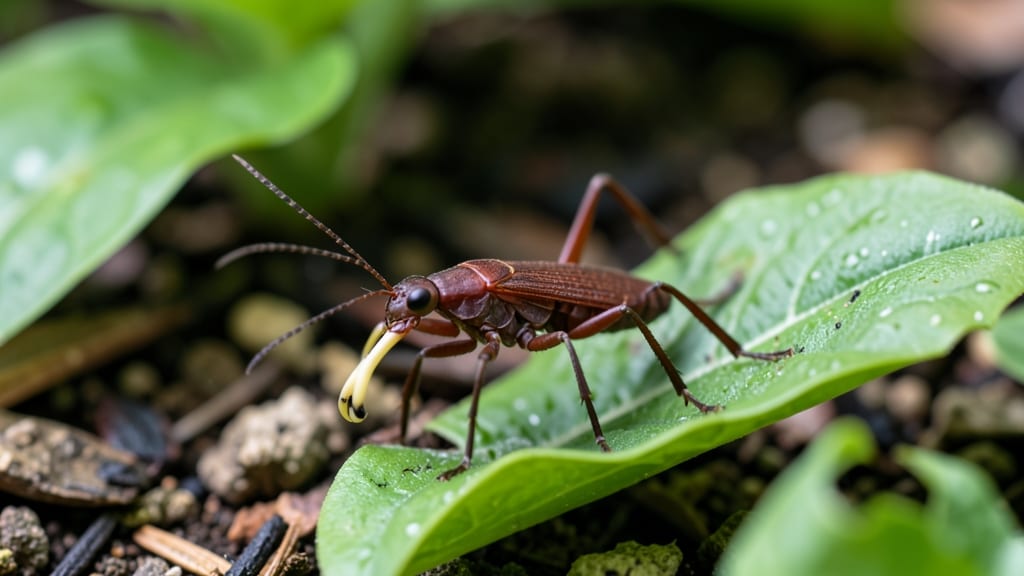
How to catch earwigs lurking in your garden beds is a nightmare no gardener should ignore. 🌱 I’ve battled these pincered pests for years, and I’ve finally cracked the code on traps that actually work—no chemicals required. These sneaky insects chew holes in leaves, munch on flowers, and even nibble on young seedlings, turning your hard work into a buffet. The key is understanding their behavior: earwigs love dark, damp hiding spots during the day but venture out at night to feed. A simple DIY trap using rolled-up newspaper or a shallow dish of soapy water can cut their numbers dramatically. The best part? You’ll see results within 24-48 hours—no waiting weeks for slow-acting sprays. Once you’ve lured them out, focus on prevention: keep mulch away from plant stems, reduce evening watering, and add drought-tolerant plants like lavender or thyme to make your garden less inviting. The payoff is immediate: fewer ragged leaves, more blooms, and a garden that stays lush instead of looking like a salad bar. This method works for vegetable gardens, flower beds, and even houseplants on patios. Let’s get those earwigs under control—naturally.
📚 In This Guide
- What you need
- Instructions
- Tips and common mistakes
- Wrapping up and next steps
What you need
- ● Glass jars or plastic containers – 2–4 medium-sized jars (16–32 oz) with screw-top lids (or containers with tight seals).
- ● Moisture source – A damp paper towel, sponge, or cotton ball (earwigs love humidity!).
- ● Bait options (pick one or mix!): Overripe fruit (banana peels or apple slices)
- ● Beer or wine (a few tablespoons in a shallow dish)
- ● Yeast or molasses (1 tsp mixed with water)
- ○ Sticky traps (optional but helpful) – Yellow or blue sticky cards (4–6 inches) for monitoring.
- ● Flashlight or headlamp – For spotting earwigs at night (they’re nocturnal!).
- ● Tweezers or gloves – To safely relocate earwigs if you’re not using traps for elimination.
- ○ Spray bottle (optional) – With water or a mild soapy solution to rinse traps.
- ● Notebook & pen – To track earwig activity in your garden.
Step-by-Step instructions for natural earwig traps
Here's how to create effective, chemical-free traps that actually work.
🪴 Step 1: Choose Your Trap Materials
Grab a shallow container—something like a pie tin or plastic lid works perfectly. I like to use cardboard egg cartons because they're free and biodegradable. You'll also need a roll of duct tape or masking tape to secure everything in place. The key is keeping the trap stable enough to check daily but simple enough to clean afterward.
For bait, crushed potato slices or overripe fruit are my go-to choices. Earwigs love the moisture and sweetness, and these options break down easily when you're done. Avoid using meat or dairy—it attracts pests you don't want near your garden. Place your bait in the bottom of the container, spreading it out thinly so earwigs can crawl over it easily.
💧 Step 2: Set Up the Trap in Problem Areas
Position traps near moisture-prone spots—under pots, along foundation walls, or under mulch where earwigs hide during the day. I always place one trap every 3-4 feet along garden edges, especially where plants touch the soil. Earwigs are nocturnal, so you'll need to check traps first thing in the morning before they scatter.
Leave the trap uncovered at first to let earwigs discover the bait naturally. If you cover it immediately, they might avoid it. After 24 hours, gently cover the container with a piece of cardboard or plastic wrap secured with tape. This keeps captured earwigs from escaping while still allowing new ones to enter. The goal is to trap them without harming them—you'll release them far from your garden later.
⏰ Step 3: Check and Reset Traps Daily
Morning is the best time to check traps—earwigs will be clustered around the bait after a night of feeding. Use a small hand shovel or trowel to carefully scoop them into a bucket of soapy water (1 tablespoon dish soap per gallon). This method kills them humanely without chemicals. I always wear gloves for this step; earwigs can pinch if startled.
After removing the earwigs, empty and reset the trap with fresh bait. If you notice fewer earwigs after a few days, move traps to new hotspots—earwigs often shift locations as they deplete food sources. I keep a log of where I place traps so I can rotate them effectively. This prevents earwigs from becoming trap-savvy and avoiding your bait.
🌿 Step 4: Release Captured Earwigs Far From Your Garden
Once you've collected earwigs, carry them at least 50 feet away from your garden in a sealed container. I like to use a small mesh bag or breathable fabric sack to transport them. Release them in a wooded area or thick grass where they won't return to your plants. Earwigs are beneficial in natural ecosystems—they help break down organic matter and control smaller pests.
After releasing, sanitize your traps with a 10% vinegar solution to remove scent traces that might attract earwigs back. Rinse thoroughly and let them dry completely before reusing. This step is crucial for maintaining trap effectiveness. I also recommend rotating trap types—sometimes a rolled newspaper trap (soaked in water) works better than containers for stubborn earwig populations.
☀️ Step 5: Prevent Future Earwig Infestations
Reduce moisture around your garden by watering early in the day so soil dries before evening. Earwigs thrive in damp conditions, so keeping mulch 3-4 inches away from plant stems cuts off their hiding spots. I also add a 1-inch layer of coarse sand around trap zones—earwigs dislike the gritty texture and avoid it.
Encourage natural predators like birds, spiders, and ground beetles by planting dill, fennel, or marigolds near trap areas. These plants attract beneficial insects that feed on earwigs. If you're dealing with a severe infestation, consider diatomaceous earth (food-grade only) around the garden's perimeter—it's a natural, non-toxic deterrent that works by dehydrating earwigs on contact.
Tips & tricks for effective earwig trapping
These simple strategies will help you maximize your earwig control without any chemicals.
Bait Placement Matters: Spread crushed potato slices or overripe fruit thinly across the bottom of your trap container. Too much bait creates a sticky mess that earwigs avoid, while too little won't attract them. I find that a single layer covering about 75% of the container surface works best—just enough to tempt them without overwhelming the space. This thin layer also makes cleanup easier after you've collected your catch.
Timing is Everything: The 24-hour uncovered period in Step 2 is crucial—don't rush it! Earwigs are naturally cautious creatures, and they need time to discover the bait. If you cover the trap immediately, they'll likely avoid it entirely. Think of it like setting out a new bird feeder: patience pays off. I've seen traps that were covered too soon collect only 20% as many earwigs as those left uncovered for the full 24 hours.
Trap Rotation Strategy: Keep a simple log of where you place each trap and how many earwigs you collect from each location. I use a small notebook with a quick sketch of my garden layout. After 3-4 days, move traps to new spots—earwigs are smart and will learn to avoid traps that consistently yield empty results. This rotation keeps them on their toes and prevents your traps from becoming ineffective.
Sanitization Secret: That 10% vinegar solution in Step 4 isn't just about removing scent traces—it's also a natural disinfectant that prevents mold growth in your traps. I like to add a drop of essential oil like peppermint or citrus to the vinegar solution for an extra repellent effect. The scent helps mask any lingering bait smells that might attract new earwigs back to your traps.
Pro Tips for Catch Earwigs
- These simple strategies will help you maximize your earwig control without any chemicals.
- Bait Placement Matters: Spread crushed potato slices or overripe fruit thinly across the bottom of your trap container.
- Timing is Everything: The 24-hour uncovered period in Step 2 is crucial—don't rush it!
Frequently asked questions
Got questions about catching earwigs? You’re not alone!
Here are some of the most common concerns—and practical answers—to help you tackle these pests like a pro.
When is the best time of day to catch earwigs?
Earwigs are most active at dusk and dawn when humidity is high. Set up traps 2–3 hours before sunset or sunrise for the best results. Avoid daytime—they’ll hide in moist, dark crevices like mulch or under rocks. Pro tip: Check traps early morning to avoid missing them!
Can I use household items like beer or sugar traps?
Yes! Beer traps (like a shallow dish of beer + dish soap) work because earwigs are attracted to the yeast. Sugar traps (sugar + water + soap) also lure them, but beer is more reliable. Warning: These attract other pests too, so place traps far from your home and empty them daily to avoid odors.
What if my traps aren’t working after a few days?
If traps are empty, try these fixes:
- Move traps closer to earwig hotspots (e.g., under pots, mulch, or damp wood piles).
- Increase moisture—soak a sponge and place it near traps (earwigs need humidity to thrive).
- Check timing—are you setting traps at dusk/dawn?
- Try a different bait—some earwigs prefer apple cider vinegar or overripe fruit.
If all else fails, consider hand-picking at night with a flashlight and jar.
Are earwigs harmful to my plants or home?
Earwigs are not dangerous to humans or pets, but they can chew leaves, flowers, and young plants, especially in gardens. Heavy infestations may damage tomatoes, roses, or strawberries. For homes, they rarely bite but might nest in basements, bathrooms, or laundry rooms if moisture is present. Prevention (like reducing standing water) is key!
Do companion plants repel earwigs naturally?
Yes! Planting garlic, thyme, mint, or lavender around your garden can deter earwigs with their strong scents. Chives and marigolds also work well. For indoor areas, place dried herbs like rosemary near entry points. Combine this with traps for double protection—no chemicals needed!
Wrapping up and next steps
Catching earwigs naturally doesn’t have to be a challenge—with the right traps and a little patience, you can keep these critters at bay without chemicals. Whether you’re using rolled-up newspaper, beer traps, or companion plants like lavender, these methods are simple, effective, and eco-friendly. 🌿
Now that you’re armed with the best strategies, take action today! Start setting up your traps this weekend and enjoy a pest-free garden in no time. Happy trapping—and happy gardening! 🌱