
Picking
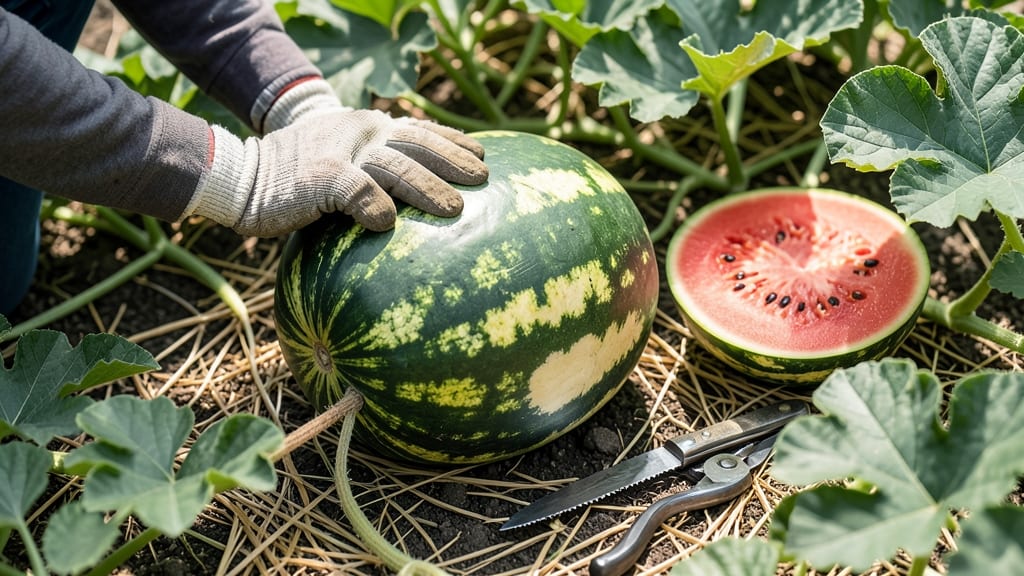
How to check for a ripe watermelon is easier than you think—just know where to look. 🌱 The secret isn’t just the size—it’s the field-ready cues that tell you the perfect moment to pick. I’ve learned the hard way that overripe melons taste bland, while underripe ones are tough as a boot, so these tricks save you from both fates.
Start with the stem: a dry, brown base means it’s been on the vine long enough to ripen naturally. Next, check the underside—ripe melons develop a creamy yellow patch where they rested against the ground.
Then comes the classic thump: tap it with your knuckles and listen for a deep, hollow thud—that’s the sound of sweetness.
For extra confirmation, run your thumb along the rind near the stem. If it feels slightly soft (not mushy) and the color shifts from green to a dull, mottled yellow, you’ve got a winner.
Harvest watermelons 70–90 days after planting, but these tests work even if you’re buying from a stand.
Pro tip: Avoid melons with white or green stems—they’re underripe. And if the thump sounds dull, it might be overripe. The best part? These tricks work in your garden, at the farmers' market, or even in the grocery store. No guesswork, just perfect slices every time.
📚 In This Guide
- What you need
- Instructions
- Tips and common mistakes
- Wrapping up and next steps
What you need
- ● 1-2 ripe watermelons (obviously!)
- ● A flat, hard surface (like a table, sidewalk, or driveway)
- ● Your hands (clean and ready for thumping!)
- ● A sharp knife or melon cutter (if you’re cutting one open to check)
- ● A spoon or melon scoop (for tasting the flesh)
- ● Gloves (to keep your hands clean while handling melons)
- ● A small notebook or phone (to jot down notes on the best melons)
- ● A scale (if you’re weighing melons for size consistency)
- ● Sunblock or a hat (if you’re picking at a farm on a sunny day!)
- ● A cutting board (for safe slicing at home)
Tips & tricks for perfect watermelon selection
These pro moves will help you pick melons that burst with flavor every time—no more guesswork!
Stem Test Secrets: In Step 1, don't just look at the stem—feel it! A truly ripe watermelon's stem should feel slightly papery when you rub your thumb across it. Confession: I skipped this step for years and wondered why some melons tasted bland. The stem's texture tells you more than just color. If the stem is still green or moist, the melon isn't ready yet, no matter what the store says.
Tap Technique Refinement: When you tap the melon in Step 2, imagine you're knocking on a hollow door. A ripe watermelon should sound like a drum—deep and resonant. I learned this the hard way after buying a "perfect" melon that thudded like a basketball. For best results, tap near the center where the flesh is thickest. And here's a bonus: if you're buying multiple melons, tap them all the same way to compare!
Weight Wisdom: In Step 3, that heavy feeling isn't just about size—it's about water content. A ripe watermelon should feel like it weighs more than you expect for its size. I always lift melons in my hands to compare: the heavier one is almost always the winner. This works especially well when comparing melons of similar size, where weight becomes the deciding factor.
Cutting Confidence: If you're brave enough to cut a test slice in Step 4, here's what to look for beyond red flesh: the rind near the cut should be pale green or creamy, not white. I think this works because the rind color changes as sugars develop inside. And here's a pro move—if you're buying for a crowd, cut a slice from the blossom end first. That's where the sweetest, most flavorful meat usually is!
Pro Tips for Check For A Ripe Watermelon
- These pro moves will help you pick melons that burst with flavor every time—no more guesswork!
- Stem Test Secrets: In Step 1, don't just look at the stem—feel it!
- Tap Technique Refinement: When you tap the melon in Step 2, imagine you're knocking on a hollow door.
Frequently asked questions
Got questions about picking the perfect watermelon? You’re not alone! Here are some of the most common queries—plus quick, foolproof answers to help you avoid the pitfalls of a sour (or rock-hard) melon.
How do I know if a watermelon is ripe just by looking at it?
A ripe watermelon should have a dull, matte rind—not shiny or waxy. Look for a creamy yellow spot where it rested on the ground (the "field spot"), which indicates sun exposure and ripeness. Avoid melons with pale green spots or white streaks, as these can signal underripeness or overripeness.
Can I speed up ripening a watermelon that’s not quite ready?
Watermelons don’t ripen well off the vine, so your best bet is to pick the ripest one available at the store or farm. If you’re growing your own, harvest when the tendril near the stem turns brown—this is your green light! For store-bought melons, time is your only option; leave it at room temperature for 1–2 days, but don’t expect miracles.
What’s the deal with the “thump test”—does it really work?
Yes, but with a twist! Tap the melon with your knuckles—a deep, hollow sound suggests ripeness (the seeds are loose inside), while a dull thud often means it’s overripe or mushy. Pro tip: Combine this with the stem test for accuracy. If the stem is dry and brown, you’re golden!
My watermelon is ripe but has a weird smell—is it still safe to eat?
A ripe watermelon should smell sweetly floral or slightly earthy near the stem. If it has a fermented, sour, or rotten odor, toss it—this could mean mold or bacterial growth. When in doubt, slice it open: black seeds or slimy flesh are red flags. Always prioritize fresh cuts when storing!
Are there any tricks to pick a ripe watermelon at a grocery store?
Stores often prioritize shelf life over ripeness, so weight is key: A heavy melon for its size usually means juicy flesh. Check the field spot (it should be yellowish), and avoid melons with white patches—these can be seedless but often lack sweetness. Ask staff to cut one open if you’re unsure; many stores will oblige!
What if I can’t find a ripe watermelon anywhere?
No worries! Try these alternatives:
- Seedless varieties: Often riper longer; look for a dull rind and firmness.
- Smaller melons: They ripen faster and are easier to test.
- Frozen or pre-cut: Check labels for "ripe when frozen" and avoid icy or discolored pieces.
Or grow your own—it’s the surest way to guarantee sweetness!
Wrapping up and next steps
Mastering the art of picking the perfect watermelon is easier than you think!
With a few simple tricks—like the thump test, field spot check, and stem inspection—you’ll never settle for a less-than-juicy melon again. 🌟 Next time you’re at the market or farm, grab a watermelon and put these tips to the test.
Your taste buds (and summer snacks!) will thank you.
Pro tip: Share your newfound watermelon wisdom with friends—you’ll be the go-to expert for the sweetest, ripest picks! 🍉✨