
Companion Plants
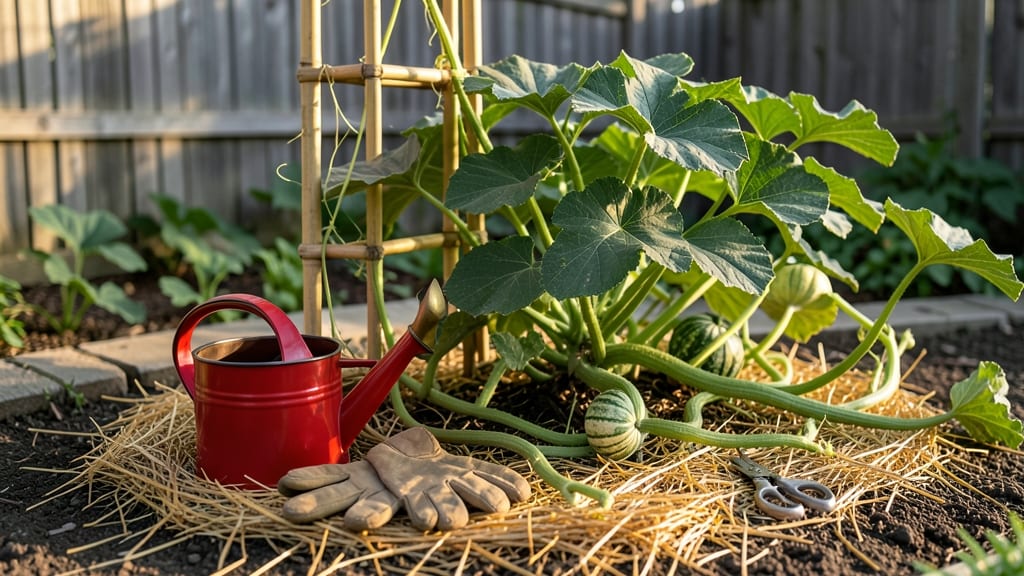
Pumpkin vines can turn your garden into a jungle overnight—unless you learn these three control secrets. 🌱 I’ve wrestled with sprawling vines that choked out my tomatoes and squash bugs that wiped out entire plants, but these methods keep them productive without the chaos.
The key is pruning, spacing, and shielding before problems start. Cut vines back to 10-12 feet to focus energy on fruit, space plants 4-6 feet apart to prevent disease, and wrap young plants in row covers to block pests early. It’s not about stopping growth—it’s about directing it.
By summer’s end, you’ll have healthier vines, bigger pumpkins, and fewer pests—no chemicals needed. The vines stay manageable, the fruit ripens faster, and your garden stays balanced. Here’s exactly how to make it happen without the struggle.
Works for both bush and vining varieties, whether you’re growing in rows or containers. Let’s tame that pumpkin patch without sacrificing the harvest.
📚 In This Guide
- What you need
- Instructions
- Tips and common mistakes
- Wrapping up and next steps
What you need
- ● Pumpkin seeds or seedlings: Choose disease-resistant varieties (e.g., ‘Sugar Pie,’ ‘Howden,’ or ‘Cinderella’). Start with 3–5 healthy seeds per hill (thin to the strongest plant later).
- ● Garden soil: Well-draining, fertile soil with a pH of 6.0–6.8. Mix in 2–3 inches of compost before planting.
- ● Watering can or hose: With a gentle spray nozzle to avoid damaging vines.
- ● Pruning shears: Sharp, bypass-pruners (clean with rubbing alcohol between cuts to prevent disease).
- ● Garden twine or plant ties: 3–4 feet per plant to support vines if trellising.
- ● Organic mulch: Straw or shredded leaves (2–3 inches thick) to retain moisture and suppress weeds.
- ● Companion plants: Marigolds, nasturtiums, or borage (plant near pumpkins to deter pests naturally).
- ● Trellis or netting: For vertical growth (use 6–8 feet tall supports).
- ● Neem oil or insecticidal soap: For organic pest control (follow label instructions).
- ● Row covers: Floating fabric to protect seedlings from pests early on.
- ● Garden gloves: To keep hands clean while pruning.
- ● Plant markers: Label varieties if growing multiple types.
Step-by-Step guide to pruning, spacing, and protecting pumpkin plants
Mastering pumpkin control isn't about brute force—it's about strategic pruning, smart spacing, and natural pest prevention.
🌱 Step 1: Space Plants Properly for Airflow and Growth
Pumpkins need 50-100 square feet per plant to thrive, depending on variety. Crowding leads to disease, poor fruit set, and weak vines. I plant my vines 10-12 feet apart in rows spaced 8-10 feet apart—this gives roots room to spread and vines to sprawl without competition.
Here's the thing—if you're growing bush varieties, you can tighten spacing to 3-4 feet apart, but vining types like Jack Be Little or Atlantic Giant need that wide berth. Mark planting spots with stakes or flags before you set out seedlings to avoid accidental crowding.
✂️ Step 2: Prune Vines Strategically to Boost Fruit Production
Pruning pumpkins isn't about cutting back indiscriminately—it's about directing energy to fruit production. Start when vines reach 6-8 feet long. Look for the main stem and lateral branches (sideshoots). Remove any lateral branches growing within 12 inches of the main stem—these compete for nutrients your fruit needs.
Leave only the strongest lateral branches, spaced 12-18 inches apart. I pinch off the tips of these laterals when they reach 3-4 feet long to encourage bushier growth. This method forces the plant to focus on fewer, larger fruits instead of spreading energy thin across dozens of small ones.
🪴 Step 3: Shield Plants from Pests Using Natural Barriers
Pumpkins attract squash bugs, cucumber beetles, and deer like a buffet. My go-to defense is a row cover made from lightweight fabric placed over young plants until they're 4-6 weeks old. This blocks pests while letting sunlight and water through. Remove it during pollination to allow bees access.
For mature plants, I use diatomaceous earth around the base and yellow sticky traps hung nearby to catch flying insects. Handpick squash bugs daily—look under leaves for the flat, gray-green adults or their egg clusters (tiny yellow masses on stems). Crush them in soapy water to prevent reinfestation.
☀️ Step 4: Manage Vine Growth and Sunlight Exposure
Pumpkins need full sun (6-8 hours daily), but their sprawling vines can shade themselves. Train vines to grow outward rather than inward by gently guiding them with stakes or trellises. I use 5-foot tall stakes placed at planting time and weave vines around them as they grow—this keeps foliage off the ground and improves airflow.
Watch for vines growing toward shade or competing with each other. If you see a vine shading another, trim it back to 12 inches from the main stem. This ensures all leaves get adequate sunlight for photosynthesis, which directly impacts fruit size and sweetness.
💧 Step 5: Monitor and Adjust for Optimal Conditions
Pumpkins signal their needs clearly. Yellowing leaves usually mean overwatering or poor drainage, while crispy edges indicate underwatering or heat stress. I water deeply 1-2 times per week, aiming for 1-2 inches of water per week, and always water at the base to keep foliage dry and prevent fungal diseases.
Adjust your pruning schedule based on vine vigor. If growth slows after heavy fruiting, prune back 20% of the smallest vines to redirect energy. The goal is balance—enough foliage for photosynthesis but not so much that it drains the plant before fruits mature.
Tips & tricks for perfect pumpkin plant management
Between us, these small adjustments can transform your pumpkin harvest from chaotic to spectacular. The key is precision—not guesswork.
Spacing Visualization: Use a simple garden grid with string and stakes to mark your 10-12 foot spacing before planting. I draw a quick sketch of my 8-10 foot row spacing on graph paper first—it helps visualize how many plants my garden space can actually support. Remember, those 50-100 square feet per plant aren't just numbers; they're the difference between healthy vines and disease-ridden failures.
Pruning Timing Secret: When your vines hit that 6-8 foot mark for Step 2 pruning, I check for three things: vine thickness (should be pencil-sized), leaf color (deep green, not yellowing), and growth rate (should be steady). The 12-inch rule for lateral branches isn't arbitrary—it's based on how far nutrients can effectively travel through the vine. If you see branches growing closer than that, snip them immediately to prevent competition.
Pest Prevention Layering: For Step 3's pest control, I combine the row cover with a weekly inspection routine. After removing the cover at 4-6 weeks, I do a "pest patrol" every Tuesday and Friday—check under leaves, inspect stems for egg clusters, and shake vines over a white sheet to spot hidden bugs. This layered approach catches problems before they become outbreaks, and it's why I've never lost a pumpkin plant to squash bugs.
Sunlight Strategy: Those 6-8 hours of daily sun in Step 4 aren't just about sunlight—they're about consistent light exposure. I position my stakes on the north side of plants to prevent shading from taller plants. If you notice vines growing toward shade, trim them back to 12 inches from the main stem immediately. The goal is to create a canopy where every leaf gets equal sun exposure, which directly translates to bigger, sweeter pumpkins.
Pro Tips for Control Pumpkin Plants
- Between us, these small adjustments can transform your pumpkin harvest from chaotic to spectacular.
- Spacing Visualization: Use a simple garden grid with string and stakes to mark your 10-12 foot spacing before planting.
- The 12-inch rule for lateral branches isn't arbitrary—it's based on how far nutrients can effectively travel through the vine.
Frequently asked questions
Got questions about keeping your pumpkin plants in check? We’ve got answers! Here are some of the most common queries from gardeners just like you—whether you’re dealing with overgrowth, pests, or spacing woes.
How often should I prune my pumpkin plants?
Prune pumpkin vines only when necessary—usually every 2–4 weeks during peak growth (late spring to early summer). Focus on removing suckers (small shoots near the vine base) and yellowing leaves to redirect energy to fruit production. Avoid heavy pruning late in the season, as pumpkins need foliage for ripening.
What’s the best spacing for pumpkin plants to prevent overcrowding?
Give pumpkins 3–5 feet of space between plants (or vines if trellised) and 5–6 feet between rows. Overcrowding leads to disease, poor airflow, and smaller fruits. If space is tight, opt for bush varieties like ‘Jack Be Little’ or ‘Sugar Pie,’ which stay compact.
How do I stop squash bugs and other pests from destroying my pumpkins?
Start with prevention: Use row covers early in the season and handpick pests daily. For squash bugs, crush eggs (tiny orange clusters) on leaves. Spray with neem oil or introduce beneficial nematodes for soil-dwelling pests. Companion plants like nasturtiums or marigolds also deter bugs naturally.
Can I prune pumpkin plants too late in the season?
Yes—but with caution! Prune only if absolutely necessary after early August, as pumpkins need foliage to photosynthesize and ripen. If you must trim, focus on dead or diseased leaves and avoid cutting back more than 10% of the vine. Late pruning can stress plants and reduce yield.
What’s the difference between pruning pumpkins and squash?
Pumpkins and squash both benefit from pruning, but timing and goals differ slightly. Pumpkins (like ‘Howden’ or ‘Cinderella’) often need aggressive sucker removal to boost fruit size, while squash (e.g., zucchini) may tolerate less pruning since they produce faster. Always prioritize fruit-bearing vines over non-productive growth.
Wrapping up and next steps
Growing pumpkins doesn’t have to be overwhelming—with the right techniques, you can prune, space, and protect your plants naturally for a bountiful harvest! 🎃 By mastering these steps, you’ll ensure strong vines, fewer pests, and healthier fruits.
Whether you’re a beginner or a seasoned gardener, a little effort now means big rewards later.
Ready to take the next step? Start small—try these methods with just a few plants, observe what works best in your climate, and soon you’ll be a pumpkin-growing pro! Happy gardening! 🌱