
Companion Plants
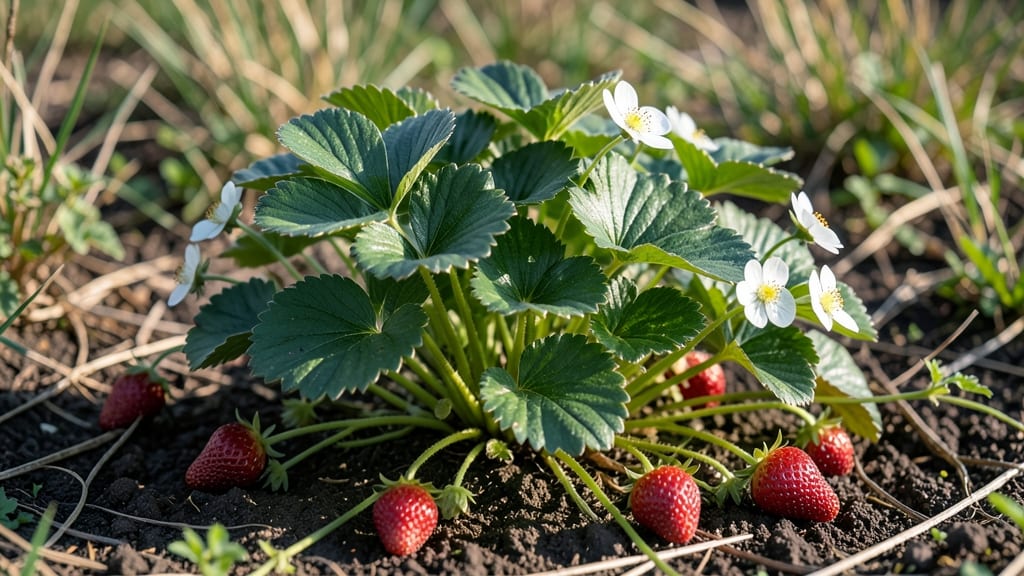
How to cultivate strawberry plants starts with those first little strawberry runners—your golden ticket to summer's sweetest harvest. 🌱 I've turned my backyard into a strawberry patch that produces fruit from spring through fall, and the secret starts with how you plant them—whether you're working with bare roots or potted plants. The soil needs to be loose, rich, and slightly acidic (think compost mixed with peat moss), and the spot should get at least 6 hours of sunlight daily. Watering is where most beginners stumble—keep the soil consistently moist but never soggy, especially during fruit development. A thick layer of straw mulch keeps roots cool and prevents weeds from stealing nutrients. By midsummer, you'll be picking plump berries that taste 10x better than store-bought, and the plants will reward you for years with new runners. The key is patience—it takes about 2-3 months for the first harvest after planting, but once established, these plants keep giving. This method works for June-bearing, everbearing, and day-neutral varieties, so you can choose what fits your climate. Let's get those runners in the ground!
📚 In This Guide
- What you need
- Instructions
- Tips and common mistakes
- Wrapping up and next steps
What you need
- ● Strawberry plants: 6–10 June-bearing or everbearing plants (or 1–2 lbs of bare-root plants if starting from scratch).
- ○ Optional: Strawberry seeds (if propagating from seed—requires patience and a greenhouse setup!).
- ● Soil: 5–10 cubic feet of well-draining, slightly acidic soil (pH 5.5–6.8). Mix in compost (1–2 bags) for nutrients.
- ● Alternative: Potting mix (for containers—at least 10 gallons per plant).
- ● Fertilizer: Balanced 10-10-10 fertilizer (1–2 lbs) or organic compost tea (for natural growth).
- ● Slow-release fertilizer (e.g., Osmocote) to feed plants over 3–4 months.
- ● Mulch: Straw or pine straw mulch (1–2 bales) to retain moisture and suppress weeds.
- ● Containers (if needed): 5-gallon pots or hanging baskets (with drainage holes) for urban growers.
- ● Watering supplies: Hose with soaker hose attachment or a watering can (for gentle, deep watering).
- ● Garden tools: Trowel or hand shovel for planting.
- ● Pruners (for trimming runners or dead leaves).
- ○ Optional: Garden gloves (to protect your hands from thorns!).
- ● Support structures: For vertical gardens: Trellis or strawberry towers (to maximize space).
- ● Pest control: Neem oil or organic insecticide (for aphids or slugs).
- ● Preventative: Copper tape (to deter slugs).
- ● Seasonal care: Row covers (for frost protection in early spring/fall).
- ● Shade cloth (30–50% coverage for hot climates).
Step-by-step instructions for cultivating strawberry plants
Here's how I turn a few runners into a thriving patch that delivers fruit for years—not just one season.
🌱 Step 1: Select and Prepare Healthy Strawberry Plants
Start with June-bearing, everbearing, or day-neutral varieties—everbearing and day-neutral types produce fruit continuously, while June-bearing gives one big harvest. Look for plants with firm, green leaves and no signs of mold or pests. Avoid plants with yellowing leaves or mushy crowns, as these indicate disease or poor health.
If you're using bare-root plants, soak the roots in lukewarm water for 30 minutes before planting. This hydrates the roots and reduces transplant shock. For potted plants, gently loosen the roots around the edges of the container to encourage outward growth. You'll know they're ready when the roots spread freely without resistance.
🪴 Step 2: Choose the Right Location and Soil
Strawberries thrive in full sun (6-10 hours daily), but they tolerate partial shade in hot climates. Avoid low-lying areas where frost or cold air settles—strawberries are tender to late frosts. Amend the soil with 2-3 inches of compost or aged manure to improve drainage and fertility. Strawberries hate soggy roots, so if your soil drains poorly, mix in sand or perlite.
Test the soil pH—strawberries prefer 5.5-6.8. If your soil is too acidic, add lime; if it's alkaline, mix in sulfur or peat moss. Work these amendments into the top 6-8 inches of soil before planting. You'll see the difference in leaf color: healthy strawberries have vibrant green foliage, while stressed plants develop yellow or purple leaves.
☀️ Step 3: Plant with Proper Spacing and Depth
Dig holes 6 inches deep and space them 18-24 inches apart in rows 3-4 feet apart. This spacing allows air circulation, reducing fungal diseases. Place the plant so the crown (where leaves meet roots) sits just above soil level. Burying the crown too deep suffocates the plant, while leaving it exposed invites rot.
Gently spread the roots outward and backfill with soil, pressing lightly to remove air pockets. Water deeply to settle the soil and eliminate gaps. Mulch with 2-3 inches of straw or pine needles to retain moisture, suppress weeds, and protect berries from soil-borne diseases. Avoid plastic mulch—it traps heat and can scorch roots.
💧 Step 4: Maintain Water and Fertility for Continuous Growth
Water strawberries 1-1.5 inches per week, keeping the soil consistently moist but not waterlogged. Drip irrigation or soaker hoses work best—they deliver water directly to the roots without wetting the leaves, which prevents fungal diseases like gray mold. Water in the early morning so foliage dries quickly.
Fertilize lightly in early spring and after harvest with a balanced, low-nitrogen fertilizer (10-10-10 or 5-10-10). Over-fertilizing, especially with nitrogen, produces lush leaves at the expense of fruit. You'll know your plants are thriving when they produce long, sturdy runners and bright red berries without excessive leaf growth.
✂️ Step 5: Prune and Manage Runners for Long-Term Productivity
Remove first-year flowers on June-bearing varieties to encourage stronger root and leaf growth. Pinch off blossoms as they form—this redirects energy to the plant's establishment. For everbearing and day-neutral types, allow some flowers to develop for smaller harvests while the plant matures.
Manage runners carefully: Pinch off or remove excess runners to prevent overcrowding, which reduces fruit size and quality. Save a few runners to propagate new plants—separate them when they root and replant in a new location. Prune old leaves in late summer to improve airflow and reduce disease risk. You'll see healthier plants with fewer pests and better fruit production after a season of proper pruning.
Tips & tricks for cultivating strawberry plants
Here's what nobody tells you about turning those delicate runners into a thriving strawberry patch that keeps giving year after year.
Sunlight Strategy: While the instructions call for 6-10 hours of daily sunlight, I've found that morning sun (6-9 AM) is more critical than afternoon sun—it helps prevent powdery mildew, which thrives in hot, humid afternoons. If you're in a hot climate, provide afternoon shade during peak summer months to protect both plants and fruit from sunscald.
Root Soaking Secret: That 30-minute root soaking before planting does more than just hydrate—it helps identify healthy plants. Discard any bare-root plants that float immediately after soaking; their roots are often damaged. Healthy roots will sink slowly, and you'll see a fine network of white root hairs emerging within minutes. This simple test saves you from planting weak stock that might fail to establish.
Mulch Depth Matters: The 2-3 inches of straw mulch recommended is perfect for summer, but in fall, I double that to 4-6 inches for winter protection. The extra depth insulates roots from temperature swings and prevents heaving (when soil freezes and expands, pushing plants out of the ground). Just remember to fluff the mulch occasionally to prevent compaction, which can smother roots.
Fertilizer Timing: When applying that ½ pound of 10-10-10 fertilizer per 100 square feet, split it into three applications: early spring, immediately after harvest, and again in late summer. This staggered approach prevents nutrient burn and ensures steady growth throughout the season. I also mix in a handful of bone meal at planting time—it provides phosphorus for strong roots without the nitrogen that encourages leafy growth at the expense of fruit.
Pro Tips for Cultivate Strawberry Plants
- Here's what nobody tells you about turning those delicate runners into a thriving strawberry patch that keeps giving year after year.
- If you're in a hot climate, provide afternoon shade during peak summer months to protect both plants and fruit from sunscald.
- Root Soaking Secret: That 30-minute root soaking before planting does more than just hydrate—it helps identify healthy plants.
Frequently asked questions
Got questions about growing your own strawberry patch?
You’re not alone—here are answers to the most common ones to help you cultivate a thriving harvest!
When is the best time to plant strawberries?
Plant strawberries in early spring (after the last frost) or late summer (6–8 weeks before the first frost). June-bearing varieties thrive in spring, while everbearing and day-neutral types can handle both seasons. For warmer climates, fall planting works too!
How long does it take for strawberries to produce fruit?
June-bearing varieties take 6–8 months to fruit, while everbearing and day-neutral types may produce berries in 4–6 months after planting. Patience pays off—healthy plants reward you with sweet harvests year after year!
What are the most common strawberry pests, and how do I prevent them?
Watch for slugs, aphids, and spider mites. Use row covers to deter pests, apply neem oil for aphids, or introduce beneficial insects like ladybugs. Keep plants healthy with proper spacing and mulch to reduce hiding spots.
Can I grow strawberries in containers or hanging baskets?
Use 5-gallon containers or hanging baskets with drainage holes. Choose everbearing or day-neutral varieties for smaller spaces. Ensure they get 6+ hours of sunlight and water consistently—container plants dry out faster!
Why aren’t my strawberries ripening?
Check for sunlight (6+ hours/day), water (1–1.5 inches/week), and nutrients. Overcrowding or poor drainage can also stunt growth. If berries stay small and green, try fertilizing with compost or relocating plants to a sunnier spot.
Wrapping up and next steps
Cultivating strawberry plants is a rewarding journey that turns tiny runners into a year-long harvest of sweet, juicy berries! With the right soil, sunlight, and care, you’ll enjoy bountiful yields—whether you’re a beginner or a seasoned gardener.
Remember, patience and consistency are key, so don’t hesitate to experiment with companion plants or seasonal tips to boost your success.
Now that you’re armed with knowledge, grab those gloves and get planting! 🌱 Start small, track your progress, and soon, you’ll be savoring homegrown strawberries straight from your garden. Happy growing!