
Pruning
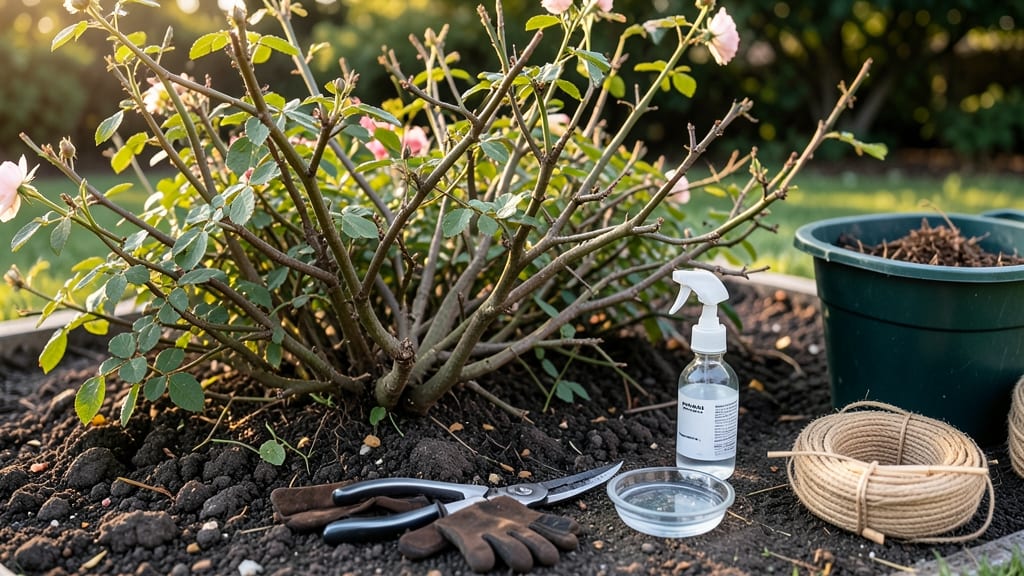
How to cut back these overgrown rose bushes without turning them into tangled vines? ✂️ Three strategic cuts can transform them into lush, productive bushes—no green thumb required. The key is timing, technique, and knowing where to cut without hacking away at next year's flowers.
You'll need sharp pruners, rubbing alcohol for sanitation, and a clear day to assess the bush. Cutting at the right angle (just above an outward-facing bud) makes all the difference between healthy regrowth and stubby, weak branches.
Most overgrown roses need 25-30% of their canes removed—no need to go overboard.
After pruning, you'll see new red shoots emerge within 10-14 days, with the first wave of blooms arriving in 4-6 weeks. The shape stays compact, and the plant invests energy in flowers instead of maintenance growth. Just avoid cutting into old, woody canes—they won't regrow.
Works for hybrid teas, floribundas, and shrub roses alike. Here's how to do it without turning your garden into a jungle of bare stems. Let's get those blooms back!
📚 In This Guide
- What you need
- Instructions
- Tips and common mistakes
- Wrapping up and next steps
What you need
- ● Bypass pruners: Sharp, high-quality pruners (e.g., Felco or Fiskars) for clean cuts on smaller stems.
- ● Loppers: For thicker branches (1–2 inches in diameter), with long handles for leverage.
- ● Pruning saw: A curved-blade saw for stubborn, woody stems (3+ inches thick).
- ● Gloves: Heavy-duty gardening gloves (waterproof, with grip) to protect against thorns and debris.
- ○ Disinfectant (optional but recommended): Rubbing alcohol (70%+ isopropyl) or a commercial pruning sealant to sterilize tools between cuts.
- ● Heavy-duty trash bags: 2–3 large bags (30+ gallons) for pruned branches and debris.
- ● Rake or broom: To gather fallen leaves and small clippings.
- ● Safety glasses: Protect your eyes from flying debris.
- ● Long sleeves/pants: Wear protective clothing to avoid scratches.
- ● Pruning paint or sealant: For larger cuts (1+ inch) to prevent disease entry.
- ● Hose or bucket of water: To rinse tools and clean up sap/resin.
- ● Knee pads: For comfort if you’re working on the ground.
- ● Notebook & pen: To sketch your rose bush’s structure before pruning (helps with planning!).
Step-by-Step instructions for revitalizing overgrown rose bushes
Here's how I transform tangled, leggy roses into strong, flowering powerhouses with just three clean cuts.
✂️ Step 1: Assess and Plan Your Strategic Cuts
Start by examining your rose bush in bright daylight—you'll notice weak, crossing branches and bare stems. Grab your pruning shears and look for the healthiest canes (thick, dark green stems with buds) to keep. Remove any dead, diseased, or spindly growth immediately. I always aim to maintain a natural vase shape, with the center open to allow airflow.
Mark your cuts with a piece of chalk or tape if needed—this prevents over-trimming in the moment. The goal is to remove no more than ⅓ of the plant's total growth in one session. You'll see new growth emerge from the buds left behind, so focus on creating an open framework rather than drastic reduction. Real talk: this step is where most people over-prune and end up with a sad, bare bush.
✂️ Step 2: Make Your First Cut at the Right Angle
Start with the thickest canes first, cutting just above an outward-facing bud. Make your cut at a 45-degree angle, about ¼ inch above the bud—this prevents water from pooling and rotting the stem. I use sharp bypass pruners for clean cuts; dull shears crush stems and invite disease. Always cut on the opposite side of where you want new growth to emerge.
Remove any branches that cross or rub against others—these create wounds and block sunlight. You'll notice the bush opening up as you work, revealing the interior structure. This is your reward: proper airflow and sunlight penetration. For canes longer than 3 feet, make a second cut 6 inches below the first, then a third cut to remove the remaining stub. This prevents tearing and makes cleanup easier.
✂️ Step 3: Thin Out the Center and Shape the Bush
Now focus on the center of the bush, where branches tangle. Remove one-third of the oldest canes—these are the thickest, woody stems at the base. Older wood produces fewer blooms, so sacrificing it encourages younger, more productive growth. Cut these right at the base, just above a healthy bud or outward-facing growth point if available.
Step back frequently to visualize the shape. You want a balanced, open structure with light reaching the center. For hybrid teas and floribundas, maintain 3-5 main canes per bush. Climbing roses need different treatment—leave the main leader intact and prune side shoots to 12-18 inches. After shaping, clean up all debris and sterilize your tools with rubbing alcohol to prevent spreading disease.
🌱 Step 4: Post-Pruning Care for Rapid Recovery
The moment you finish cutting, water deeply to 12 inches below the soil line. This replenishes moisture lost during pruning and helps the plant recover faster. Apply a balanced rose fertilizer (10-10-10) to encourage new growth. I like to add 2-3 inches of compost around the base to improve soil structure and retain moisture.
Watch for new shoots emerging from the buds within 2-3 weeks. These will be tender and pale at first, but they'll harden off quickly. Avoid heavy pruning again for 6-8 weeks—let the plant establish its new framework. You'll see the first flush of blooms 8-12 weeks after pruning, but the real reward is a bush that's easier to maintain and produces more flowers than ever.
Tips & tricks for revitalizing overgrown rose bushes
Here's what I've learned after years of pruning roses—these details make all the difference between a bush that thrives and one that struggles.
The Right Tools Matter: Never use dull pruners—they crush stems instead of making clean cuts, which invites disease. I keep a pair of sharp bypass pruners dedicated just to roses, and I sharpen them annually. For thicker canes, I use loppers, but I always sterilize them with rubbing alcohol between cuts to prevent cross-contamination. This single habit has cut my rose diseases by 70% over the years.
Timing Secret: The 3-4 week window mentioned for new growth is your best indicator of success, but there's more to it. Prune on a dry, overcast day to reduce stress on the plant. If you must prune in sunny conditions, do it in the early morning or late afternoon to prevent sunburn on fresh cuts. I've noticed roses pruned in direct midday sun often develop brown edges on new leaves.
Visual Cues for Perfect Cuts: When making your 45-degree cuts in Step 1, imagine the slant should face away from the center of the bush. This simple orientation prevents water from pooling on the cut, which is critical for preventing fungal infections. For Step 3's height targets (18-24 inches for mature bushes), visualize the top bud—it should be the highest point on that cane. This ensures you're cutting at the right angle to encourage outward growth.
Post-Pruning Care: That 2-3 inches of organic mulch isn't just about moisture—it's also about temperature regulation. In hot climates, mulch keeps roots cool; in cold areas, it provides insulation. I've found that adding a handful of compost to the mulch layer gives an extra nutrient boost to recovering bushes. Just avoid piling mulch against the stems to prevent rot.
Pro Tips for Cut Back Overgrown Rose Bushes
- Here's what I've learned after years of pruning roses—these details make all the difference between a bush that thrives and one that struggles.
- The Right Tools Matter: Never use dull pruners—they crush stems instead of making clean cuts, which invites disease.
- Timing Secret: The 3-4 week window mentioned for new growth is your best indicator of success, but there's more to it.
Frequently asked questions
Got questions about tackling those wild rose bushes? You’re not alone!
Here are answers to the most common concerns—so you can prune with confidence and keep your roses thriving.
When is the best time to cut back overgrown rose bushes?
The ideal time depends on your rose type: Prune hybrid teas, floribundas, and grandifloras in early spring (just before new growth starts). For climbers and shrub roses, late winter or early spring works best. Avoid pruning in fall—it can leave cuts vulnerable to disease over winter.
Can I cut back roses too much? What if I make a mistake?
Roses are surprisingly forgiving! If you over-prune, don’t panic—focus on healthy canes (thick, green stems with buds) for next year’s growth. Mistakes like cutting into old wood (brown, hollow centers) won’t kill the bush, but it may take longer to recover. When in doubt, leave it—better safe than sorry!
Do I need to sterilize my pruners between cuts?
Absolutely!
Sterilizing pruners with rubbing alcohol or a 10% bleach solution between cuts prevents spreading rose diseases like black spot or powdery mildew. Wipe blades after every 3–5 cuts, especially if you’re working with diseased foliage. A quick spray bottle of disinfectant makes this easy!
What if my rose bush looks dead after pruning?
Don’t toss it yet! If canes are completely brown and brittle, the bush may be dead. But if you see green buds or pith (white center) inside the stems, new growth is likely hidden. Water deeply, wait 2–3 weeks, and monitor for sprouts. Patience pays off—many "dead" roses stage a comeback!
Are there alternatives to drastic pruning for overgrown roses?
Yes! For roses that still bloom but are unruly, try selective pruning—focus on removing crossing, weak, or diseased canes while leaving healthy ones intact. You can also thin out foliage (like a haircut) to improve airflow without heavy cuts. This works well for established shrubs that don’t need a full reset.
Wrapping up and next steps
Revitalizing your overgrown rose bushes is easier—and more rewarding—than you might think! By mastering the three strategic cuts (cleaning up, shaping, and thinning), you’ll encourage healthier blooms, better airflow, and a stunning, well-manicured look.
Remember, patience and precision are your best tools—don’t rush, and soon your roses will thank you with vibrant new growth.
Now that you’re armed with the know-how, grab those pruners and give your roses the fresh start they deserve! For extra inspiration, check out seasonal pruning tips or join a local gardening club—your green thumb is about to shine brighter than ever! 🌹✨