
Container Gardens
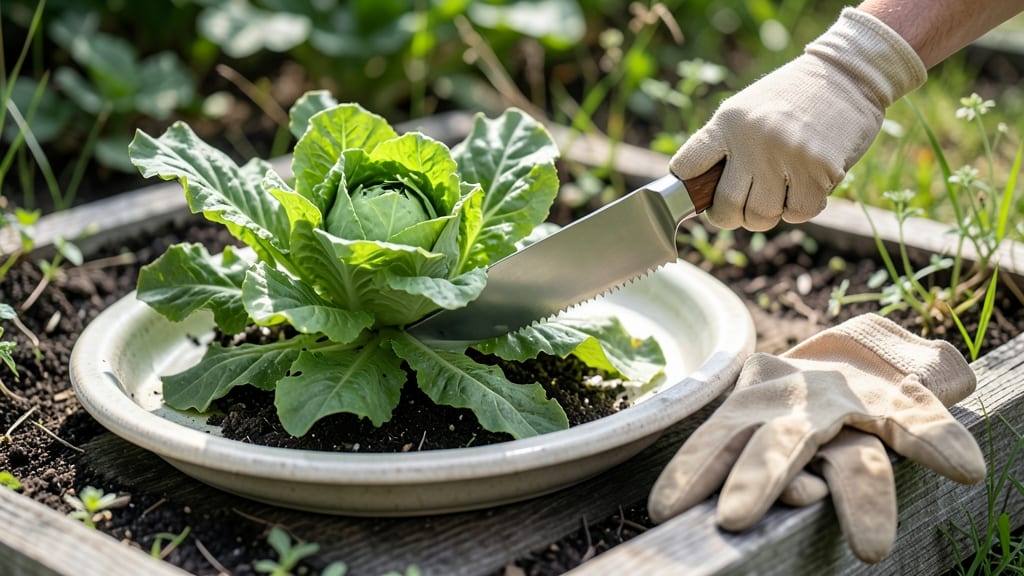
If you've ever cut your 🥬 lettuce and wondered how to cut lettuce so it keeps growing instead of watching it wilt, you're not alone—most gardeners make the same mistake. The key to endless harvests isn't just when you cut, but how you do it.
With the right technique, you can keep your lettuce thriving for weeks, turning a single plant into a steady supply of fresh greens.
I’ve tested the best methods for lettuce regrowth, and the difference between a sad, stunted plant and a lush, productive one often comes down to simple details.
From choosing the right leaves to trim to using the proper tools, small adjustments make a huge impact. Let me show you exactly how to do it right.
You’ll learn the step-by-step cutting process that encourages new growth, plus the best lettuce varieties for continuous harvests. Avoid common pitfalls like over-trimming or poor timing, and discover how to care for your lettuce after cutting to maximize your yield. Ready to turn your garden into a never-ending salad bar?
Whether you're a beginner or a seasoned gardener, these tips will help you keep your lettuce growing strong all season. No more wasted plants—just fresh, homegrown greens whenever you need them.
The correct way to cut lettuce for regrowth (step-by-step guide)
Harvesting lettuce the right way isn’t just about getting fresh greens—it’s about encouraging your plant to bounce back stronger. The key lies in selective cutting that preserves the inner growth point while removing only the mature outer leaves.
This method keeps your lettuce producing for weeks longer than a single harvest.
Start by choosing the right tools for the job. A sharp chef’s knife or clean pruning shears will give you cleaner cuts without crushing the stems. Avoid dull blades—they tear leaves, inviting pests and diseases.
I always keep a small spray bottle of water nearby to rinse my hands and tools between cuts, reducing bacterial spread.
Now, here’s the critical step: never cut more than 1/3 of the plant at once. Removing too much stresses the lettuce and can stunt regrowth. Focus on the outer leaves, which are fully mature and ready to harvest.
These leaves have already served their purpose by protecting the tender inner leaves.
Use a 45-degree angle when cutting. This angle allows water to run off the leaves, reducing rot risk. Hold the leaf firmly with one hand while guiding the blade with the other.
Cut just above a leaf node—the small bump where new leaves emerge. This ensures the plant can quickly regenerate from that spot.
For loose-leaf varieties like romaine or butterhead, you can snip individual leaves as they mature. For head lettuce, like iceberg, work your way around the perimeter, leaving the central rosette intact. This core is where all future growth originates, so protect it like it’s your plant’s heart.
🌱
Step-by-Step Guide to Cutting Lettuce for Regrowth
- Step 1: Wait until outer leaves reach 4-6 inches in length. Yellow or wilted leaves mean it’s past prime.
- Step 2: Hold the leaf firmly and cut at a 45-degree angle just above a leaf node.
- Step 3: Remove only 1/3 of the plant per harvest to avoid stress.
- Step 4: Use a sharp knife or pruning shears for clean cuts.
- Step 5: Rinse leaves immediately after cutting to remove dirt and pests.
- Step 6: Water the base deeply after harvesting to encourage regrowth.
After cutting, don’t just walk away—give your lettuce a drink. Water the soil deeply to replenish moisture lost during harvest. I always use a gentle stream from a watering can with a fine rose attachment to avoid dislodging the remaining leaves. Avoid overhead sprinklers, which can spread disease.
Here’s a secret most gardeners miss: fertilize lightly after harvesting. A balanced 10-10-10 fertilizer (1 tablespoon per plant) gives your lettuce the nutrients it needs to rebound. I apply it in the early morning so the roots have time to absorb it before the heat of the day.
Over-fertilizing can lead to bitter leaves, so keep it light!
Monitor your lettuce closely in the days after cutting. If the inner leaves start yellowing, it could signal nutrient deficiency or overwatering. Adjust your care routine immediately—reduce watering if the soil feels soggy, or add a compost tea to boost nutrients.
Healthy regrowth should appear within 5-7 days if conditions are right.
One of my favorite tricks to extend the harvest season is succession planting. As you cut back your existing lettuce, sow new seeds every 2-3 weeks in the same spot. This ensures a continuous supply of fresh greens without gaps. Just
Finally, keep an eye out for pests and diseases. Cutting creates small wounds on the plant, making it vulnerable to slugs, aphids, or fungal infections. I use a neem oil spray as a preventive measure after each harvest. A quick inspection of the undersides of leaves can catch problems early before they spread.
With these steps, your lettuce will keep producing crisp, flavorful leaves for months instead of just a single harvest. The key is patience and precision—every cut should feel like a conversation with your plant, not a battle. Soon, you’ll have a self-sustaining lettuce machine in your garden! 🥬
The correct way to cut lettuce for regrowth (step-by-step guide)
When you harvest lettuce the wrong way, you risk stunting regrowth or even killing your plant. The key is to cut strategically—never remove more than one-third of the plant at once. This preserves the inner rosette, which holds the energy to regrow.
I’ve learned through trial and error that sharp scissors or pruning shears work best, as they create cleaner cuts that heal faster.
Start by inspecting your lettuce plant. Look for the outer leaves that are fully mature—typically 4-6 inches long—while leaving the younger inner leaves untouched. These inner leaves are your plant’s future harvests, so treat them like gold.
If you’re unsure which leaves to cut, imagine the plant as a clock face—harvest from the outer edges first.
Here’s where most gardeners go wrong: they grab the entire head or use dull tools. Instead, hold your pruning shears at a 45-degree angle and cut just above a leaf node (the small bump where leaves attach).
This angle helps water run off, reducing rot risk. For leaf lettuce varieties, you can even pinch individual leaves at the base if they’re large enough—this encourages bushier growth.
Step-by-Step Lettuce Trimming Guide
- Step 1: Wait until outer leaves reach 4-6 inches in length.
- Step 2: Use sharp scissors or pruning shears (never your fingers!).
- Step 3: Cut at a 45-degree angle above a leaf node.
- Step 4: Never remove more than one-third of the plant at once.
- Step 5: Leave the inner rosette intact to fuel regrowth.
- Step 6: Water deeply after trimming to reduce stress.
After cutting, your lettuce will need time to recover. Water deeply within 24 hours to help the plant bounce back. I’ve noticed that plants trimmed in the morning regrow faster because they have the entire day to recover before nightfall.
Avoid harvesting again for at least 7-10 days, or your plant may struggle to rebound. Think of it like giving your lettuce a spa day—it’ll come back stronger!
One pro tip I’ve picked up from experienced gardeners: rotate your cutting direction. If you always harvest from the north side, the plant may grow unevenly. Alternate sides each time to encourage balanced growth.
This simple trick can double your harvest yield over time. For example, if you cut from the east last week, try the west side this week.
Finally, keep an eye on your lettuce’s growth rate. If it’s slow to regrow after cutting, it might need a light fertilizer (like a 10-10-10 blend) or more sunlight.
Lettuce is forgiving, but it won’t regrow if it’s stressed. With the right technique, you’ll enjoy fresh greens for weeks longer than if you’d pulled the whole plant.