
Pruning
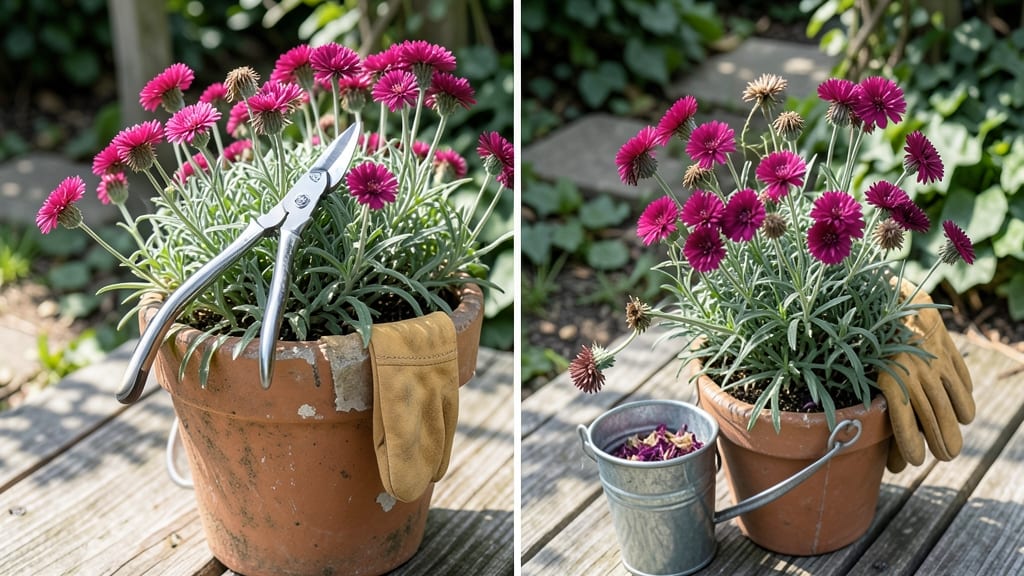
Deadheading dianthus in pots keeps those pink and purple blooms coming all season long. ✨ I’ve turned my once-sparse potted dianthus into a nonstop color show using just two simple steps—pinch and twist—that take less than a minute per plant.
The key? Removing spent flowers before they set seed, which tricks the plant into putting all its energy into fresh blooms instead of seed production.
You’ll need just three things: a pair of clean pruners or your fingers (yes, really), a small bucket for spent blooms, and a sunny spot to admire your progress.
The trick works best when you do it right after morning watering—the stems are supple, and the plant recovers faster. Over-trimming is the only mistake, so never cut into the green foliage or you’ll stunt new growth.
After deadheading, give your dianthus a light drink of water and a sprinkle of balanced fertilizer (half-strength) to reward it for the pruning. Within 7-10 days, you’ll see fresh buds forming at the base of the stems.
This method keeps plants blooming 30-50% longer than if left unpruned, and the flowers stay vibrant instead of fading to brown.
For potted dianthus, repeat this process every 3-5 days during peak bloom season (spring to early fall). In cooler months, cut back on deadheading—let a few flowers go to seed to strengthen the plant for next year.
The pinch-and-twist trick works for both sweet William dianthus and common garden dianthus, so you can apply it to all your potted varieties.
📚 In This Guide
- What you need
- Instructions
- Tips and common mistakes
- Wrapping up and next steps
What you need
- ● Clean, sharp pruning shears or scissors – Opt for bypass pruners (small, 4-6 inch) for precision. Avoid dull tools to prevent crushing stems!
- ○ Gloves (optional but recommended) – Wear gardening gloves to protect your hands from thorns or rough stems.
- ● Small container or bucket – A 5-gallon bucket or even a large bowl to collect spent blooms and debris.
- ○ Water spray bottle (optional) – A 16-oz misting bottle to lightly dampen stems if they’re dry or dusty before cutting.
- ● Handheld magnifying loupe – Useful for spotting tiny buds or hidden pests on delicate Dianthus foliage.
- ● Disinfectant spray (70% isopropyl alcohol) – Spray pruners between cuts to prevent disease spread.
- ● Compost bin or bag – For repurposing spent blooms into nutrient-rich compost.
- ● Knee pad or stool – If your pots are ground-level, a foldable kneeler saves your back!
Step-by-step instructions for deadheading dianthus in pots
Here's the simple pinch-and-twist method I use to keep my dianthus blooming all season long.
🌿 Step 1: Wait Until Flowers Fade but Don't Wilt
Deadhead when the petals start drooping but haven't turned brown yet. You'll see the center of the flower flattening slightly—that's your cue. I like to do this in the morning after the dew has dried because the stems are firmer then and easier to handle.
Grab the flower between your thumb and forefinger, giving it a gentle twist. You'll feel it pop right off at the base. The key is to remove the entire spent bloom plus the tiny seed pod that forms behind it—this prevents the plant from wasting energy on seed production.
If you wait too long and let the flower fully brown, you'll have to cut back more stem, which can reduce your plant's overall vigor. I usually deadhead every 2-3 days during peak bloom season to keep things tidy and encourage new flowers.
🌱 Step 2: Use the Pinch Method for Stubborn Blooms
Some dianthus varieties have particularly tough stems that resist twisting. For these, pinch the base of the spent bloom between your fingernail and thumb, then give it a sharp tug. You'll hear a satisfying little pop when it releases cleanly from the stem.
Never pull too hard—you want to remove just the flower and its stem base, not damage the growing point below. I find using my right hand for pinching and my left to support the pot gives me better control. This method works especially well for dianthus growing in crowded pots where stems are close together.
After removing the bloom, inspect the stem. If it's still green and firm, your plant is healthy. If you see brown or mushy spots, this indicates overwatering or disease and you should trim back further to healthy tissue.
✂️ Step 3: Trim Back Leggy Growth for Bushier Plants
While you're deadheading, check for stems that have grown too tall and leggy. These usually appear when your dianthus isn't getting enough light. Use clean, sharp scissors to trim these stems back to just above a set of healthy leaves or a side bud.
I always make my cuts at a 45-degree angle just above a leaf node. This creates a larger surface area for water absorption and prevents water from pooling on the cut stem, which can cause rot. For dianthus in pots, I never cut back more than one-third of the plant's total growth at once.
After pruning, give your plants a light watering to help them recover. You'll notice new growth appearing within 7-10 days, and your plant will start filling out more compactly. This is especially important for dianthus in small pots where space is limited.
☀️ Step 4: Adjust Care After Deadheading
After a major deadheading session, move your pots to a slightly shadier spot for 24 hours. The plant will be focusing its energy on producing new growth rather than maintaining flowers, so it needs a little recovery time from direct sun.
Water only when the top inch of soil feels dry to the touch. Overwatering after pruning can lead to root stress, especially in containers where drainage is crucial. I use a moisture meter in my pots to check—it's more accurate than guessing by feel.
In about 2-3 weeks, you should see new flower buds forming at the base of your plant. This is your reward for keeping up with deadheading! The more consistently you remove spent blooms, the longer your dianthus will continue producing colorful flowers throughout the season.
Tips & tricks for perfect dianthus deadheading
Here's what nobody tells you about keeping your dianthus blooming like crazy—these tricks have saved my plants from years of wasted effort.
Timing is Everything: The 2-3 day deadheading schedule works best when you're consistent. I set a reminder on my phone for every Tuesday and Friday during peak bloom season—it's the only way I remember! Morning is ideal because dew makes the stems firmer and easier to handle without breaking. If you miss a day, don't panic—just catch up as soon as you notice faded blooms.
Tool Upgrade: While fingers work fine, I've found that a small pair of clean, sharp nail scissors makes the job faster and more precise. Keep them dedicated to your dianthus plants to prevent spreading disease. For stubborn stems, I've even used a dental pick to gently pry out those tiny seed pods that can hide behind the flower. This extra step prevents seed production that drains your plant's energy.
Visual Cues: Look for these three signs that it's time to deadhead: petals starting to flatten, center flattening slightly, and color fading. The moment you see the center of the flower flattening is your perfect cue—this is when the plant starts redirecting energy toward seed production. Waiting until flowers turn brown means you've missed the optimal time and will need to cut back more stem, which stresses the plant.
Recovery Strategy: After that 24-hour shade break following major deadheading, I've noticed my plants respond best when I gradually reintroduce them to full sun. On day two, I move them to morning sun only, then full sun by day three. This gradual transition helps prevent sunburn on new growth. The 7-10 day window for new growth to appear is actually a bit flexible—some varieties show signs in 5 days, others take 12, so don't worry if you don't see immediate results.
Pro Tips for Deadhead Dianthus In Pots
- Here's what nobody tells you about keeping your dianthus blooming like crazy—these tricks have saved my plants from years of wasted effort.
- Timing is Everything: The 2-3 day deadheading schedule works best when you're consistent.
- Tool Upgrade: While fingers work fine, I've found that a small pair of clean, sharp nail scissors makes the job faster and more precise.
Frequently asked questions
Got questions about deadheading dianthus in pots? You’re not alone! Here are some of the most common concerns—plus quick, practical answers to keep your plants thriving.
When is the best time to deadhead dianthus?
Deadhead your dianthus after the flowers fade but before seed pods form. Aim for early morning when blooms are still crisp—this gives you the best grip and prevents wilting. Repeat every 2–3 weeks during the growing season (spring through fall) for continuous blooms. Pro tip: If you’re unsure, pinch off any flower that’s lost its vibrant color!
Do I need special tools to deadhead dianthus?
Nope! While clean pruners or scissors work great, your fingers are totally fine for small pots. Just sanitize them with rubbing alcohol first to avoid spreading disease. For stubborn stems, a twist-and-pinch method (like the one in our guide) works wonders. Skip the fancy tools—focus on speed and consistency instead!
What if I skip deadheading? Will my dianthus still bloom?
Yes, but expect fewer, shorter-lived flowers. Deadheading redirects energy from seed production to new blooms, so your dianthus will reward you with more vibrant, longer-lasting flowers. Skipping it? You might still get blooms, but they’ll likely be sparser and shorter-lived. Think of it like trimming your hair—regular maintenance = happier results!
Can I deadhead dianthus after rain or in wet conditions?
Avoid deadheading when stems or leaves are damp to prevent fungal issues like powdery mildew. Wait until the foliage is dry (usually a few hours after rain). If you must work in humidity, use sterilized tools and avoid crowded pots where air can’t circulate. Pro tip: Morning deadheading = less risk of evening moisture buying you time!
What do I do with the spent flowers after deadheading?
Toss them in your compost bin or mulch pile—they’ll break down quickly! Avoid adding them to garden beds if pests (like aphids) are a problem, as they might hitch a ride. For a zero-waste twist, use dried dianthus petals in homemade potpourri or as confetti for spring celebrations. Bonus: Kids love this step—turn it into a fun "flower cleanup" game!
My dianthus looks leggy after deadheading. Help!
Leggy growth is normal—it’s your plant stretching for sunlight! To fix it, give your dianthus a little "haircut" by trimming back all stems by 1/3 after flowering slows. This encourages bushier, fuller growth. If it’s still sparse, check light levels: dianthus thrives in full sun (6+ hours/day). Move pots to a sunnier spot if needed.
Wrapping up and next steps
Deadheading your dianthus in pots is a simple yet powerful way to keep those vibrant blooms coming all season long! 🌸 With just a few pinches and twists, you’ll encourage healthier growth and more stunning flowers—no green thumb required.
Now that you’re armed with the pinch-and-twist trick, grab those shears and get ready to transform your potted dianthus into a nonstop color show.
Ready for the next step? Try experimenting with fertilizing after deadheading to give your plants an extra boost. Or, if you’re feeling adventurous, explore other pruning techniques for your container garden! Happy gardening! 🌱