
Tools
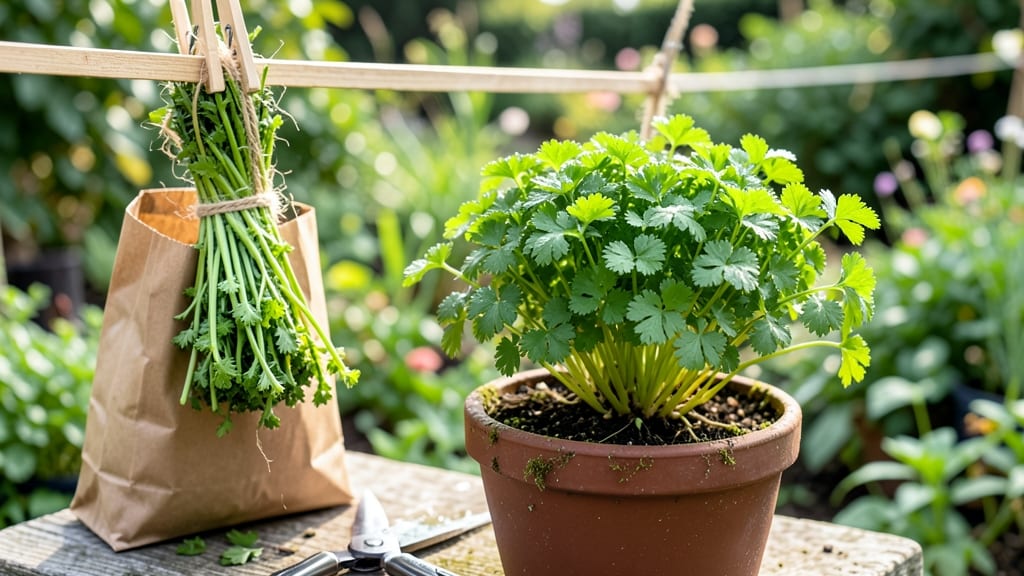
Learning how to dry fresh parsley from the garden can turn your first harvest into a pantry staple without the guesswork.
I used to toss half my crop because I didn't know how to preserve it properly—but air-drying turns your garden abundance into months of flavor without electricity or fancy tools.
The simplest method is hanging bundles upside down in a dark, dry spot. You'll need fresh stems (never wilted), a clean string or rubber band, and patience—about 2-3 weeks until the leaves crisp up perfectly.
For speed, a dehydrator at 95°F works in just 2-4 hours, though it uses more energy.
Once dried, the leaves crumble into a vibrant green powder that keeps its aroma for 6-12 months when stored in airtight containers. The flavor stays bright if you avoid direct sunlight during drying and strip leaves only when completely dry.
This works for any herb garden, whether you grow parsley in pots or straight in the soil. The key is starting with fresh, healthy stems—no moldy surprises here.
📚 In This Guide
- What you need
- Instructions
- Tips and common mistakes
- Wrapping up and next steps
What you need
- ● Fresh parsley – A generous harvest (about 1–2 cups of loosely packed leaves and stems). Choose healthy, vibrant stems with minimal yellowing.
- ● Kitchen twine or string – 1–2 feet of thin, natural twine (or even a rubber band in a pinch). Avoid synthetic strings that can degrade over time.
- ● Paper towels or clean kitchen towels – Enough to pat dry all the parsley gently (about 2–3 towels for a standard batch).
- ● Scissors or kitchen shears – Sharp enough to trim stems cleanly without crushing them.
- ● Drying rack or mesh screen – A wire mesh drying rack, colander with holes, or even a clean window screen works. Ensure it’s large enough to lay out the parsley in a single layer.
- ● Dark, dry, and well-ventilated space – A pantry, closet, or basement with good airflow (avoid humidity or direct sunlight). Aim for a temperature between 60–80°F (15–27°C).
- ● Air-tight containers or jars – Small glass jars with lids (like mason jars) or resealable bags for storage. Choose containers that block light to preserve flavor.
- ● Food dehydrator – If you prefer a faster method, a dehydrator set to 95–115°F (35–46°C) speeds up drying in 2–4 hours.
- ● Silica gel packets – Place one in your storage container to absorb moisture and extend shelf life.
- ● Labeling supplies – Masking tape and a marker to label jars with the date and herb type (trust us, you’ll forget!).
- ○ Essential oil diffuser (optional) – A drop of lemon or lavender oil in your drying space can repel pests naturally.
Step-by-Step instructions for drying fresh parsley at home
Here's my foolproof method for preserving parsley's vibrant flavor—no fancy equipment needed.
Harvest and Prepare the Parsley
Pick parsley on a dry morning after the dew has evaporated. Choose stems with full, healthy leaves and no signs of wilting or yellowing. Cut the stems at a 45-degree angle about 2 inches from the base using clean, sharp scissors. This prevents crushing and encourages new growth if you plan to regrow the plant.
Gently rinse the stems under cool water to remove any dirt or debris, then pat them dry thoroughly with a clean kitchen towel or paper towels. Any moisture left on the stems will slow down the drying process and may lead to mold. I like to bundle the stems into small groups of 4-5 stems each for easier handling during the drying process.
Bundle the Stems Securely
Take a small rubber band or twine and wrap it tightly around the stems, about 1-2 inches from the cut ends. This keeps the leaves from spreading out and ensures they dry evenly. I usually make a second bundle around the middle of the stems to create a more compact bundle. The goal is to mimic the natural shape of the plant so air can circulate freely around the leaves.
Leave about 3-4 inches of stem exposed at the top of the bundle. This extra length will help you hang the parsley securely. If you're using twine, tie it in a simple knot that won't unravel easily. For rubber bands, make sure they're snug but not so tight that they cut into the stems.
Hang the Bundles in a Dry, Dark Place
Find a spot that's warm, dry, and well-ventilated, like a pantry, closet, or even a corner of your kitchen away from direct sunlight. I prefer a dark place because sunlight can cause the leaves to bleach and lose their vibrant color. The ideal temperature for drying is between 65-75°F, which most indoor spaces naturally maintain.
Hang the bundles upside down using a hook, nail, or even a sturdy piece of string tied between two points. Make sure the bundles aren’t touching each other so air can flow freely around them. It should take about 2-3 weeks for the parsley to dry completely, depending on the humidity in your home. You'll know it's ready when the leaves are crisp and easily crumble between your fingers.
Store the Dried Parsley Properly
Once the parsley is fully dried, carefully remove the rubber bands or twine and gently strip the leaves from the stems. Discard any stems that still feel woody or haven’t dried completely. Store the dried leaves in an airtight container, like a glass jar or a resealable plastic bag. I like to crush the leaves slightly with my fingers before storing to preserve their flavor and texture.
Keep the container in a cool, dark place, such as a pantry or cupboard. Properly stored dried parsley will retain its flavor for up to 6 months. If you notice any signs of moisture or mold, discard the parsley immediately and try drying a smaller batch next time to ensure better airflow.
Tips & tricks for perfect dried parsley
Preserving parsley's vibrant flavor doesn't have to be a guessing game—these simple strategies ensure you get the best results every time.
Timing is Everything: In Step 3, the 2-3 week drying period can feel like forever, but patience pays off. If your kitchen stays consistently between 65-75°F, you'll likely hit that crisp texture mark right at the 2-week mark. Check weekly by gently crumbling a leaf—it should feel dry and brittle, not damp or rubbery. Humidity is your enemy here, so if your home feels muggy, consider using a small fan on low to gently circulate air around the bundles.
Bundle Like a Pro: When securing your bundles in Step 2, I've found that using two rubber bands—one at the cut ends and one in the middle—creates the perfect balance. This prevents the leaves from flopping outward while still allowing maximum airflow. Pro tip: If you're using twine, try a simple square knot for extra security. The goal is to mimic how the plant grows naturally, with leaves radiating outward for even drying.
Storage Wisdom: After all that waiting, don't undo your work by storing dried parsley improperly. In Step 4, I recommend crushing the leaves slightly before storing—they'll retain their flavor better and won't clump together. For long-term storage, glass jars with airtight lids work best, but if you're using plastic bags, squeeze out all the air before sealing. The 6-month shelf life assumes proper drying and storage, so if you notice any moisture or musty smells, it's better to toss it and try again with better airflow next time.
Pro Tips for Dry Fresh Parsley From The Garden
- Preserving parsley's vibrant flavor doesn't have to be a guessing game—these simple strategies ensure you get the best results every time.
- Timing is Everything: In Step 3, the 2-3 week drying period can feel like forever, but patience pays off.
- Bundle Like a Pro: When securing your bundles in Step 2, I've found that using two rubber bands—one at the cut ends and one in the middle—creates the perfect balance.
Frequently asked questions
Got questions about drying parsley? You’re not alone! Here are answers to the most common concerns—so you can preserve that garden-fresh flavor with confidence.
How long does it take to dry parsley?
Drying parsley typically takes 1 to 3 weeks, depending on humidity and airflow. In a warm, dry space (like a pantry or dehydrator), it may be ready in 7–10 days. Test for doneness by crushing a leaf—it should crumble easily with no moisture.
Can I speed up the drying process?
Yes! Use a dehydrator (set to 95°F/35°C) for 1–2 hours or a low oven (170°F/77°C) for 1–3 hours with the door slightly open. For freshness, stick to air-drying—heat can dull flavor. Always let it cool completely before storing.
What if my parsley turns brown or moldy?
Brown spots are normal (just remove them before use), but mold or sliminess means it’s spoiled. Check bundles weekly for dampness. If humidity is high, add a silica gel packet to your storage container or switch to a drier location.
How should I store dried parsley?
Keep it in an airtight container (glass jars or resealable bags work best) in a cool, dark place. Dried parsley lasts 6–12 months if properly sealed. For longer shelf life, freeze it in ice cube trays with water or oil.
Can I dry parsley with other herbs?
Bundle parsley with thyme, oregano, or basil for a flavorful mix. Just ensure all herbs are fully dry before storing together to prevent mold. Avoid pairing with high-moisture herbs like cilantro or mint.
Wrapping up and next steps
Drying fresh parsley from your garden is a simple yet game-changing way to preserve its vibrant flavor and nutrients for months! By following these steps—whether you choose hanging bundles, oven-drying, or air-drying on a tray—you’ll unlock a pantry staple that’s perfect for soups, sauces, and seasonings.
The best part? You’ll never waste a single sprig again! 🌿✨
Now that you’re equipped with the know-how, roll up your sleeves and give it a try. Start small with a single bunch, experiment with different methods, and soon, you’ll be the proud owner of homemade dried parsley that tastes even better than store-bought.
Happy drying—your future meals will thank you!