
Vegetables
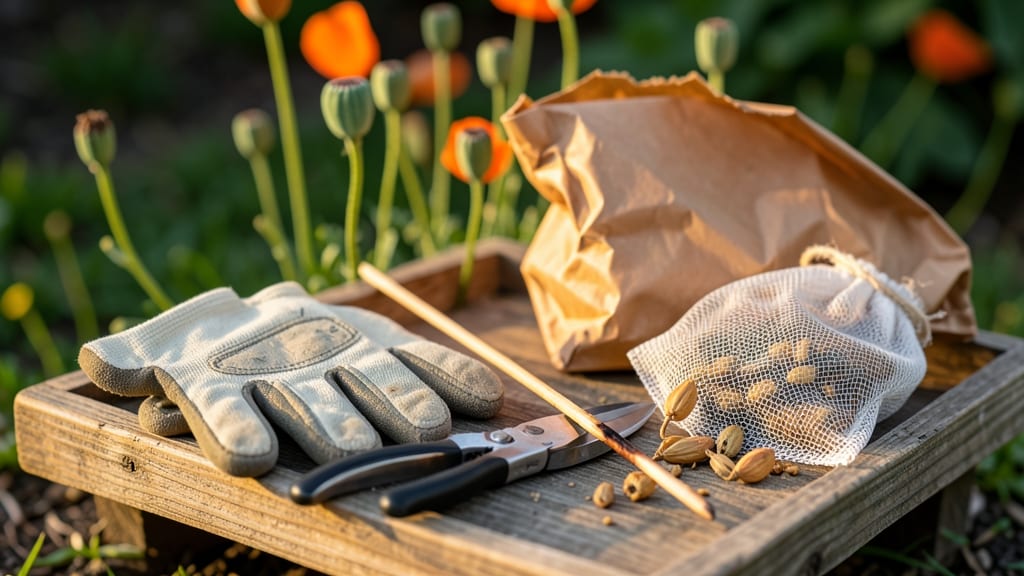
Poppy pods crack open at the slightest touch—until you learn how to dry poppy pods. The secret to saving seeds lies in timing: harvest when the pods turn brown but stay closed, usually 6-8 weeks after blooming.
Too early, and seeds won’t mature; too late, and they’ll scatter like confetti in a breeze.
You’ll need just three things: clean scissors, paper bags, and patience. Snip the stems just above the pods, then hang them upside down in a dry, well-ventilated spot—like a garage or shed. Air-drying preserves the pods’ shape while letting seeds ripen perfectly for replanting or crafts.
By the time the pods pop open on their own, you’ll have viable seeds ready for next spring. The dried pods also make stunning centerpieces—just imagine them scattered across a rustic table or woven into wreaths for a touch of whimsical charm.
Pro tip: Store seeds in an airtight container with silica gel to keep them dry and ready for planting. This method works for both opium poppies and the fluffy annual varieties—just adjust drying time based on your climate.
📚 In This Guide
- What you need
- Instructions
- Tips and common mistakes
- Wrapping up and next steps
What you need
- ● Fresh poppy pods: Harvest fully mature pods (when they’re dry and brown but still intact). Aim for at least 10-15 pods for a good seed yield.
- ● Sharp pruning shears or scissors: For cleanly snipping stems without damaging the pods.
- ● Paper bags (brown kraft or breathable fabric bags): 2-3 bags (one pod per bag or 3-5 pods per bag if spaced apart). Avoid plastic—it traps moisture!
- ● Drying location: A well-ventilated, dry space (e.g., garage, shed, or indoor shelf away from direct sunlight).
- ○ Optional but helpful: A fan (to speed up drying) or a drying rack (if pods are too large for bags).
- ● Patience! Drying can take 1-4 weeks depending on humidity.
- ● Seed-saving envelopes: For storing dried seeds long-term (label with the variety and year!).
- ● Desiccant packets: Place one in your storage container to absorb excess moisture.
- ● Magnifying glass: For inspecting pods for pests or damage before drying.
- ● Notebook: To track drying progress or note any issues (like mold risk).
Step-by-step instructions for harvesting and drying poppy pods
Here's how to transform those delicate poppy blooms into next year's garden treasures.
Identify and Harvest Pods at Peak Maturity
Poppy pods are ready for harvest when they turn from vibrant green to a papery brown color, typically 4-6 weeks after flowering. The pods should feel dry to the touch and begin to split open naturally along their seams—this indicates seed ripeness. I always harvest on a dry morning after the dew has evaporated to prevent moisture from sticking to the pods.
Use clean, sharp pruning shears to cut the entire stem, leaving about 2 inches of stem attached to each pod. This helps prevent seed loss during drying. Place the harvested pods in a well-ventilated area immediately to begin the drying process. If you harvest too early, the seeds won't develop properly, and if you wait too long, they'll scatter on their own.
Prepare Pods for Drying
Hang the pods upside down in a dry, dark, and well-ventilated space. I use a string or twine to tie the stems together in small bundles and suspend them from a hook or shelf. This method allows air to circulate freely around the pods, preventing mold and ensuring even drying. A garage, basement, or even a closet with good airflow works perfectly for this step.
Keep the temperature consistent at around 65-75°F—avoid direct sunlight, which can cause the pods to dry too quickly and crack open prematurely. The drying process typically takes 2-4 weeks, depending on humidity levels. You'll know the pods are ready when they feel completely dry and brittle to the touch, and the seams are fully open.
Extract Seeds from Dried Pods
Once the pods are fully dried, place them in a clean, dry container and gently shake or roll them to release the seeds. I like to use a small cardboard box or a brown paper bag for this step, as the seeds can be delicate and prone to scattering. You can also use a seed saver or a small sieve to catch any seeds that might fall through the cracks.
After extracting the seeds, remove any debris, chaff, or empty pod fragments by sifting them through a fine-mesh screen or by gently blowing on them. Store the clean seeds in a labeled paper envelope or a small glass jar in a cool, dry place. Properly stored poppy seeds can remain viable for up to 3 years, making them a great addition to your seed-saving collection.
Store Seeds for Future Planting
Label your seed storage container with the variety name and the year harvested to keep track of your collection. Poppy seeds thrive in a stable environment, so avoid plastic containers that can trap moisture and cause mold. A simple paper envelope or a breathable fabric pouch works best for long-term storage.
Place the container in a dark, cool spot, such as a pantry or seed vault, where the temperature stays between 40-50°F. Check the seeds periodically to ensure they remain dry and free of pests. If you notice any signs of moisture or mold, transfer the seeds to a new container immediately to preserve their viability for next season's planting.
Tips & tricks for perfectly harvested poppy seeds
Transforming those delicate poppy pods into viable seeds requires patience and precision—here's how to elevate every step.
Timing Secret: Harvest pods only when they've reached that papery brown stage and begin splitting naturally. I've learned this the hard way—harvesting too early means underdeveloped seeds, while waiting too long risks losing them to wind or wildlife. The 4-6 week window after flowering is your sweet spot for optimal seed maturity.
Drying Environment: Maintain that 65-75°F temperature range consistently during drying—fluctuations can cause uneven moisture loss. I've found that basements with stable humidity work best. If your space gets too humid, consider using a small fan on low to improve airflow around the hanging pods without creating drafts that might crack them open prematurely.
Seed Extraction Technique: When shaking dried pods to release seeds, use a clean cardboard box rather than plastic containers. The rough texture helps prevent seeds from slipping through cracks while catching any that might scatter. For particularly stubborn pods, gently tap them against the box's edge rather than shaking vigorously, which can damage delicate seeds.
Storage Wisdom: The 40-50°F storage temperature is crucial for long-term viability. I store my poppy seeds in labeled paper envelopes inside a sealed glass jar with a desiccant packet. This double-layer protection prevents moisture buildup while keeping the seeds easily accessible for future planting.
Pro Tips for Dry Poppy Pods
- Transforming those delicate poppy pods into viable seeds requires patience and precision—here's how to elevate every step.
- Timing Secret: Harvest pods only when they've reached that papery brown stage and begin splitting naturally.
- Drying Environment: Maintain that 65-75°F temperature range consistently during drying—fluctuations can cause uneven moisture loss.
Frequently asked questions
Got questions about drying poppy pods? You’re not alone! Here are answers to the most common queries to help you succeed—whether you’re a first-timer or a seasoned gardener.
How do I know when poppy pods are fully ripe for drying?
Poppy pods are ready when they turn a dull brown or tan color and begin to split open slightly at the seams. If you tap them gently, seeds should rattle inside. Avoid harvesting if pods are still green or moist—they won’t dry properly. Pro tip: Morning harvests work best since pods are firmest after dew dries.
How long does it take to dry poppy pods indoors?
With proper airflow, poppy pods typically dry in 1–2 weeks indoors. Place them in a well-ventilated area (like a mesh bag or paper bag) away from direct sunlight or heat sources. Check weekly—overly dry pods may crumble, while under-dried ones risk mold. Troubleshoot: If humidity is high, add a silica gel packet to speed drying.
Can I dry poppy pods outside instead of indoors?
Yes! Hang pods in a shady, dry spot (like a porch or garage) with good airflow. Bundle stems together and suspend them upside down from a string or hook. Avoid direct sun to prevent premature cracking. Outdoor drying may take 2–3 weeks, depending on weather. Watch for: Rain or humidity—bring pods inside if forecasted!
What if my poppy pods mold or smell bad while drying?
Mold or funky odors mean excess moisture or poor airflow. Immediately move pods to a dry, well-ventilated area (like a fan-cooled shelf) and separate any affected pods. Discard moldy ones—they won’t store well. Prevent this: Use a dehumidifier or baking soda in the drying space to absorb moisture.
How should I store dried poppy pods/seeds long-term?
Once fully dry, store seeds in airtight containers (glass jars or vacuum-sealed bags) in a cool, dark place (like a pantry). Label with the harvest year—poppy seeds stay viable for 2–3 years if kept dry. Bonus: Add a deseiccant packet to extend shelf life.
Wrapping up and next steps
Drying poppy pods is a rewarding way to preserve their beauty and ensure next year’s vibrant blooms!
By following these simple steps—harvesting at the right time, using proper drying methods, and storing seeds carefully—you’ll unlock a treasure trove of natural charm for your garden. Now that you’re armed with knowledge, why not share the magic? Gather friends for a poppy-pod crafting session or swap seeds with fellow gardeners to expand your floral horizons.
Happy drying, and may your garden flourish with new life! 🌸✨