
Watering
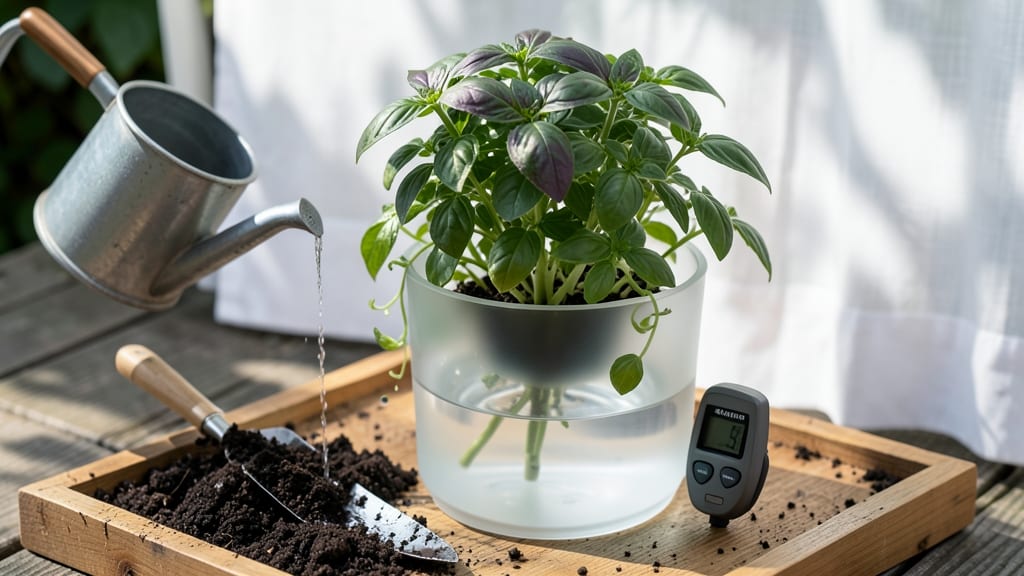
Fill self watering pots by adding a moisture-absorbing wicking layer (like landscape fabric) at the bottom, then layer potting mix, leaving space for water. Pour water into the reservoir until it reaches the base of the pot—never overfill. Adjust moisture levels by checking the plant’s needs and refilling the reservoir as needed.
Self watering pots work by creating a dual-system balance between the reservoir and the plant's root zone.
The wicking layer—often made from landscape fabric or specialized wicking mats—draws water upward through capillary action, ensuring roots stay hydrated without sitting in excess moisture. 🌱 This design prevents both overwatering and drought stress, making it ideal for busy gardeners or those with finicky plants.
The key is maintaining proper layering: too much potting mix can block water flow, while too little leaves insufficient space for roots to access moisture efficiently.
Most systems require you to fill the reservoir only until it reaches the wicking layer's base, never to the top. This creates a self-regulating moisture buffer—when the plant drinks water, the reservoir automatically replenishes the soil.
I've found that checking the reservoir every 3-5 days (depending on plant type and climate) keeps most containers functioning perfectly. For larger pots or thirsty plants like tomatoes, you may need to refill weekly, while succulents can go months between waterings in this setup.
💡 In This Article
- How Self Watering Pots Maintain Consistent Moisture
- Best Layering Techniques for Self Watering Planters
How self watering pots maintain consistent moisture
The secret behind these clever planters lies in capillary action, a natural process where water moves through narrow spaces (like fabric fibers or porous materials) against gravity.
When you place a wicking layer—such as landscape fabric or a specialized wicking mat—at the bottom of the pot, it creates tiny channels that draw moisture upward from the reservoir. This works similarly to how paper towels soak up spilled liquid, but on a plant-friendly scale.
The fabric's texture, typically with 0.5-1mm pores, ensures a steady, slow release of water to the roots without drowning them. 💧
Drainage holes play a critical role too—they prevent waterlogging by allowing excess moisture to escape while maintaining the reservoir's water level. Without these holes, pressure could build up, forcing water into the root zone too quickly and suffocating roots.
Most self-watering systems use 4-6 holes per 12-inch pot, positioned near the bottom edges. The magic happens when the wicking layer bridges the gap between the reservoir and the potting mix, creating a continuous moisture pathway that plants can access as needed.
Unlike traditional pots where water pools at the bottom, this design ensures even hydration throughout the root zone.
Proper layering prevents two common problems: root rot from overwatering and drought stress from poor water flow. If you pack too much potting mix without enough wicking material, the fabric can't draw water efficiently, leaving the topsoil dry while the bottom stays soggy.
Conversely, too little mix creates insufficient root space. The ideal setup uses about 1-2 inches of wicking layer for every 4-6 inches of potting mix, depending on the plant's size.
For example, a 10-inch pot might need 1.5 inches of fabric and 5-6 inches of mix, leaving space for the reservoir below. 🌱
Temperature also affects how well this system works. In hot climates, water evaporates faster, so the reservoir may need refilling every 2-3 days, while cooler weather can stretch this to 5-7 days.
The wicking material's efficiency drops when dry—if left empty for weeks, the fabric can harden and lose its ability to draw water. That's why checking the reservoir's water level regularly is crucial.
Some advanced systems include moisture sensors that alert you when it's time to refill, but even basic setups work well with simple visual checks.
For plants with varying thirst levels, like succulents versus tomatoes, you can adjust the wicking layer's thickness. Succulents thrive with thinner fabric layers (0.5 inches) to minimize moisture, while heavy feeders like peppers benefit from thicker layers (up to 2 inches) to sustain growth.
The key is matching the wicking material's capacity to the plant's root system—too much fabric can create a damp, anaerobic environment, while too little leaves roots scrambling for water. 💡
What most gardeners don't realize is that the potting mix itself affects how well the system works. Standard garden soil compacts too easily, blocking water flow, so a lightweight, airy mix with perlite or vermiculite (20-30%) improves drainage and wicking efficiency.
This combination ensures the fabric can pull water upward while allowing excess to escape through the drainage holes. The result? A self-regulating ecosystem where your plants get just the right amount of moisture—no guesswork, no wilting, and no drowned roots.