
Succulent
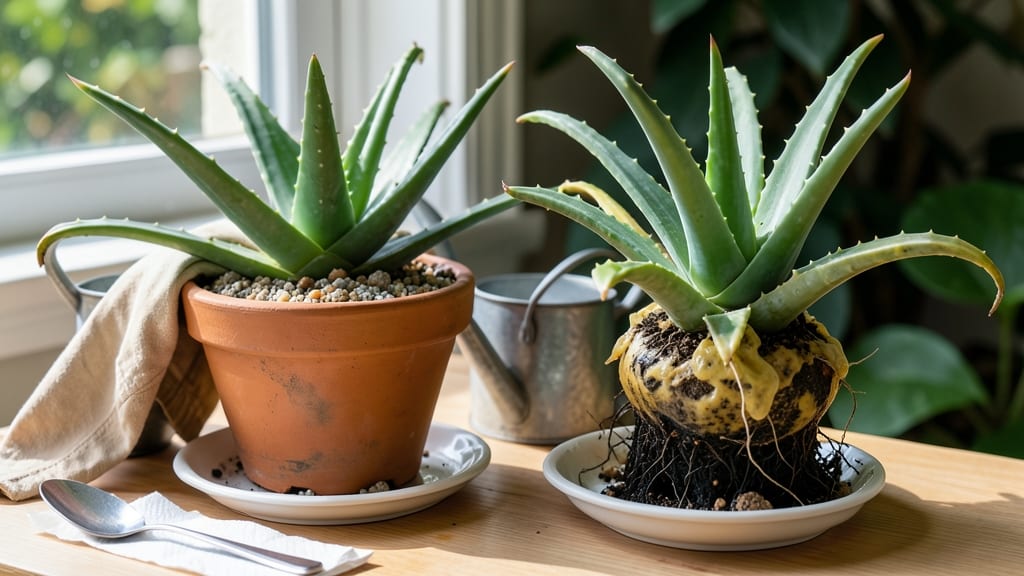
When your aloe’s leaves turn mushy and droop like a soggy sponge, it’s screaming for help—and you can fix it with how to fix an overwatered aloe plant. 🌱 I’ve nursed back more overwatered aloes than I’d like to admit, and the secret isn’t complicated: stop drowning it, save the roots, and reset its watering routine.
The good news? Aloes are tough survivors, and with the right approach, you’ll have plump, healthy leaves within weeks.
First, yank it out of that soggy soil and inspect the roots. Healthy roots are firm and white; rotten ones are brown and mushy. Snip off the bad bits with clean scissors, then let the plant air-dry for 24 hours—this prevents further rot.
The real game-changer? Repotting into fast-draining cactus mix with perlite or pumice. Aloes hate wet feet, so skip the regular potting soil unless you enjoy watching them decline.
Now, here’s the long-term fix: water only when the soil is bone-dry, and even then, just enough to moisten the bottom inch. In my dry climate, that means every 3-4 weeks in summer, less in winter.
Watch for the telltale wrinkled leaves—they’re your plant’s way of saying, “I’m thirsty, not drowning!” With this routine, your aloe will bounce back faster than you think.
Pro tip: Keep it in bright, indirect light (no scorching sun yet) and avoid fertilizing until new growth appears. Within 4-6 weeks, you’ll see those thick, happy leaves returning—proof that even the most neglected aloes can make a comeback.
Trust the process, and your plant will thank you with decades of low-maintenance beauty.
Root of the Problem
Overwatering your aloe plant—often called the "plant killer"—isn’t just a gardening mistake; it’s a scientific imbalance that disrupts the plant’s natural survival mechanisms. Aloe vera thrives in arid conditions, where water scarcity forces it to adapt with thick, water-storing leaves and shallow roots.
When you overwater, you’re essentially drowning these adaptations, triggering a cascade of stress responses. Let’s break down the key culprits behind this common issue, so you can spot the signs before it’s too late.
Aloe plants are succulents, meaning they’ve evolved to store water in their leaves—not their roots. When soil stays soggy for too long, the roots suffocate due to a lack of oxygen. Here’s what happens:
- Oxygen Deprivation: Roots need oxygen to respire (breathe) and convert sugars into energy. Waterlogged soil displaces oxygen, forcing roots to switch to anaerobic respiration—a slow, inefficient process that produces ethanol (yes, like alcohol). This toxic byproduct poisons the roots over time.
- Fungal Invaders: Damp soil is a fungal buffet. Pathogens like Phytophthora and Pythium thrive in wet conditions, causing root rot. These fungi clog root cells, blocking water and nutrient uptake.
- Nutrient Lockout: Overwatered soil binds essential nutrients (like nitrogen and phosphorus) too tightly, making them inaccessible to the plant. Even if you’re fertilizing, the aloe can’t absorb what it needs.
💡 Pro Tip: Stick your finger 2-3 inches into the soil—if it’s damp, wait. Aloe roots should dry out completely between waterings. Use a well-draining mix (60% cactus soil, 30% perlite, 10% sand) to prevent sogginess.
Aloe plants hate sitting in water, yet many gardeners unknowingly create the perfect swamp with:
- Clay or Compacted Soil: Clay holds water like a sponge, while compacted soil prevents excess moisture from draining. Even if your pot has holes, water can get trapped in the bottom layer.
- No Drainage Holes: Pots without drainage force water to pool at the roots, creating a permanent wet zone. Over time, this leads to anaerobic conditions (see above).
- Overpotting: A pot that’s too large holds excess water for days, giving roots too much time to rot before the soil dries. Aloe plants prefer snug pots that dry out quickly.
⚠️ Warning: If your aloe’s pot feels heavy after watering, it’s a red flag. Repot immediately into a container with drainage holes and a chunky, airy mix.
Aloe plants are sensitive to their environment, and overwatering often stems from misreading their needs based on:
- Humidity Levels: High humidity (common in bathrooms or kitchens) slows evaporation, keeping soil wet longer. Aloe needs low humidity (30-50%) to dry out properly.
- Temperature Shocks: Cold drafts or sudden temperature drops (below 50°F) reduce transpiration (the plant’s natural water-loss process). This makes the aloe retain moisture longer, increasing rot risk.
- Seasonal Changes: Watering on a fixed schedule (e.g., every week) ignores the plant’s natural rhythm. In winter, aloe growth slows, so it needs far less water.
🌡️ Quick Fix: Move your aloe to a bright, warm spot (60-80°F) with indirect light. In winter, reduce watering to every 3-4 weeks.
Not all watering methods are equal—and some actively worsen overwatering. Common mistakes include:
- Misting Leaves: Aloe leaves are designed to absorb moisture, but misting creates a mini greenhouse on the plant, trapping humidity and promoting leaf rot.
- Ice Cubes or Cold Water: Chilly water shocks the roots, slowing their ability to dry out. Always use room-temperature water.
- Overzealous Watering Can: A slow, deep watering is better than a quick, shallow douse. The latter keeps the top layer wet while the roots stay soggy below.
💦 Best Practice: Water only when the soil is bone-dry, and use the soak-and-dry method: Pour water until it drains from the bottom, then empty the saucer immediately.
Revive Your Aloe in 3 Steps
Overwatering can turn your aloe plant into a sad, mushy mess—but don’t panic! With the right care, you can nurse it back to health. Below are practical, step-by-step solutions tailored to the root causes of overwatering, plus pro tips to keep your aloe thriving long-term.
Signs your aloe is drowning: Yellowing leaves, soft or mushy stems, or a foul smell from the soil. Action: Pause watering completely for at least 7–10 days to let the roots dry out. Overwatering stresses the plant by suffocating roots and promoting rot, so giving it a break is critical.
- Pro Tip: 💡 If the soil feels damp after 2–3 days, wait longer. Stick your finger 1–2 inches deep—if it’s wet, hold off!
- For severe cases: If the soil is soggy and smells like decay, skip to Step 3 (Repotting) to prevent further damage.
Healthy aloe roots are firm, white, and slightly woody. If you see:
- Black, mushy roots → Root rot (time to act fast!)
- Brown, shriveled roots → Underwatering stress (less urgent)
- Healthy roots with some rot → Partial salvage possible
How to check:
- Gently remove the plant from its pot.
- Rinses roots under lukewarm water to wash away soil.
- Trim away any black, mushy, or foul-smelling roots with sterilized scissors (rubbing alcohol works).
- ⚠️ Warning: If more than 50% of roots are rotten, your plant may not recover. Start fresh with a cutting instead.
Even if roots look salvageable, repotting is key to prevent recurring issues. Here’s how:
🛒 What You’ll Need:
- A pot with drainage holes (terracotta or ceramic is ideal).
- Cactus/succulent mix soil (or DIY: 50% potting soil + 50% perlite/pumice).
- Optional: A fungicide (like neem oil or hydrogen peroxide) to prevent infection.
👨🍳 Step-by-Step Repotting:
- Choose a slightly smaller pot (aloes prefer being root-bound but hate wet feet).
- Add a 1-inch layer of gravel or perlite at the bottom for extra drainage.
- Place the plant in the pot and fill with fresh soil, pressing lightly.
- Water lightly (just enough to moisten the soil) and place in bright, indirect light.
- 🌡️ Recovery Time: Keep the plant in bright, indirect light for 2–4 weeks while it adjusts. Avoid direct sun until new growth appears. - 🎯 Prevention Tip: ✨ Water only when the soil is bone-dry (stick the finger test again!).
Most aloes thrive on a watering schedule of every 3–4 weeks in winter and every 2 weeks in summer.
Now that your aloe is back on track, follow these golden rules to avoid future overwatering:
| Mistake | Fix It With… | Prevent It By… |
|---|---|---|
| Too much water | Let soil dry completely between waterings | Use a moisture meter or finger test |
| Poor drainage | Repot with gravel + cactus mix | Always use pots with drainage holes |
| Humid environment | Move to a dry, sunny spot | Avoid misting; use a dehumidifier if needed |
| Wrong soil | Switch to fast-draining mix | Mix perlite/sand into regular soil |
- 💡 Bonus Tip: Bottom-watering (placing the pot in a tray of water for 10 mins) gives your aloe control over hydration—it’ll only absorb what it needs!
Result? A plump, perky aloe with strong roots and vibrant leaves—ready to purify your air and impress your plant-loving friends! 🌟
Frequently asked questions
How do I know if my aloe plant is overwatered?
Look for these key signs: mushy, yellowing leaves, soft stems that collapse when touched, or soil that smells foul. Healthy aloe leaves are thick and plump, while overwatered ones feel squishy. If the pot feels heavy after watering, that's another red flag—aloe soil should dry out completely between waterings.
Can I save an aloe with completely black, mushy roots?
It depends! If more than 50% of the roots are rotten, the plant may not recover. Trim away all black/mushy roots with sterilized scissors, then repot in fresh, fast-draining soil. Give it bright indirect light and wait 2-4 weeks before watering again. If most roots are healthy, it should bounce back.
What's the best soil mix to prevent future overwatering?
Use a cactus/succulent mix (60%) combined with perlite or pumice (30%) and coarse sand (10%). This creates air pockets that prevent waterlogging. Avoid regular potting soil—it holds too much moisture. For extra insurance, add a 1-inch gravel layer at the bottom of the pot.
How often should I water my aloe after fixing overwatering?
Wait until the soil is completely dry—stick your finger 2 inches deep. In summer, water every 2-3 weeks; in winter, every 3-4 weeks. Aloes store water in their leaves, so they prefer drought over soggy soil. Always water until it drains from the bottom, then empty the saucer immediately.
Will my aloe ever look normal again after overwatering?
Yes! With proper care, your aloe can fully recover. Focus on drying the roots, repotting in fresh soil, and adjusting your watering habits. New growth will emerge from the base within 4-6 weeks. The damaged leaves won't regrow, but the plant will develop fresh, healthy ones. Patience is key—aloes are resilient but need time to rebound.