
How To
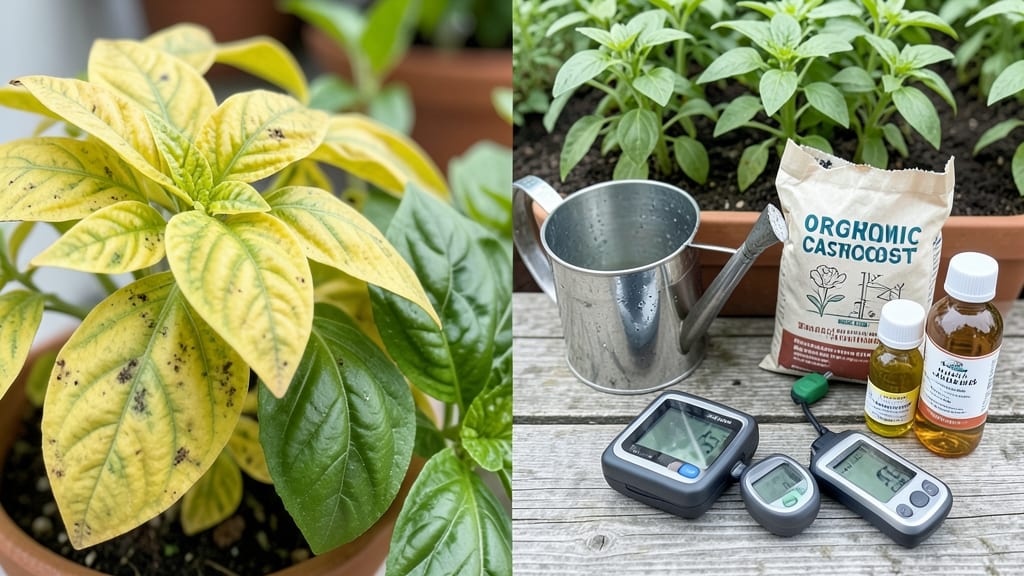
Yellow basil leaves mean your plant is crying for help—but don’t panic. 🌿 I’ve nursed back dozens of struggling basil plants, and the fixes are simpler than you’d think. Overwatering, underwatering, or nutrient issues usually cause that telltale yellowing, and the solution often comes down to adjusting your care routine.
Start by checking the soil: if it’s soggy, cut back on watering; if it’s bone-dry, give it a deep drink. Yellowing often appears on older leaves first—this is normal aging, but if new growth is yellow too, your plant needs more nitrogen or better drainage.
A quick soil test or a balanced fertilizer can work wonders in just 7-10 days.
📚 In This Guide
- What you need
- Instructions
- Tips and common mistakes
- Wrapping up and next steps
What you need
- ● Pruning shears or clean scissors – Sharp and sterilized (rubbing alcohol works!) to trim yellowed leaves without damaging the plant.
- ● Well-draining potting mix – A high-quality blend (e.g., 50% peat moss, 30% perlite, 20% compost) to prevent root rot.
- ● Watering can with a fine rose nozzle – For gentle, controlled watering at the soil base.
- ○ Neem oil (optional but helpful) – 1 tsp neem oil + 1 tsp mild soap per quart of water (for fungal/pest issues).
- ● Balanced liquid fertilizer (5-5-5 or 10-10-10) – Diluted to half-strength for a nutrient boost.
- ● Spray bottle with water – For misting leaves if humidity is low.
- ○ Glove (optional) – To protect your hands from soil or neem oil.
- ● pH test kit – To check soil acidity (ideal range: 6.0–7.0 for basil).
- ● Copper fungicide – If yellowing is caused by bacterial/fungal infections.
- ● Grow lights or sunlight monitor – To ensure your basil gets 6–8 hours of light daily.
- ● Container with drainage holes – If repotting is needed (6–8 inches in diameter for mature plants).
How to fix yellow basil leaves: simple steps to revive your plants
Yellow leaves on basil don’t mean your plant is doomed—just that it needs a little TLC. Here’s how to diagnose and fix the issue fast.
🌿 Step 1: Check the Roots for Overwatering
Gently remove your basil from its pot and inspect the roots. If they look mushy or smell sour, you’ve got overwatering—the #1 cause of yellow leaves. Healthy roots should be firm and white or pale tan. Let the soil dry out completely before watering again.
Here’s the thing—basil hates soggy feet. Water only when the top inch of soil feels dry to the touch. If you’re unsure, stick your finger in: if it’s damp below an inch, wait another day. Drainage holes are non-negotiable—if your pot doesn’t have them, transfer your plant immediately.
☀️ Step 2: Assess Light Exposure
Basil craves 6+ hours of direct sunlight daily, and too little light turns leaves yellow (often starting at the bottom). Move your plant to a south-facing window or under a grow light if natural light is weak. You’ll know it’s getting enough when the leaves stay a vibrant green and new growth appears.
If your basil is leggy with pale stems, it’s stretching toward light. Rotate the pot a quarter turn every few days so it grows evenly. A south-facing windowsill is ideal, but east or west works too—just watch for afternoon sunburn if you’re in a hot climate.
💧 Step 3: Adjust Watering and Fertilizer Routine
Yellowing leaves can also signal underwatering or nutrient burn. Water deeply until it drains from the bottom, then empty the saucer to prevent root rot. Basil needs consistent moisture—let the top inch dry out between waterings, but don’t let it get bone-dry.
If you’ve been fertilizing heavily, flush the soil with water to leach out excess salts. Use a balanced, water-soluble fertilizer (like 10-10-10) diluted to half strength every 4-6 weeks during growing season. Over-fertilizing causes yellowing and crispy edges—less is more with basil.
✂️ Step 4: Prune Damaged Leaves and Encourage New Growth
Snip off any yellow or brown leaves at the base with clean scissors. This redirects energy to healthy growth. Don’t worry—basil grows back fast! Pinch back the tips of stems to encourage bushier growth, which also improves airflow and prevents disease.
Real talk: If your plant is severely yellowed, it might be time for a fresh start. Propagate healthy stems in water or soil—basil roots easily, and you’ll have new plants in 2-3 weeks. This works especially well if the roots are rotting or the plant looks beyond saving.
🌱 Step 5: Rule Out Pests and Diseases
Inspect the undersides of leaves for pests like aphids, spider mites, or whitefly. Wipe leaves with a damp cloth or spray with neem oil (mixed 1 tbsp per quart of water) if you spot any. Yellowing can also signal fungal issues like powdery mildew—remove infected leaves immediately and improve airflow.
If your basil is in a shared space (like a kitchen windowsill), check for chemical fumes from cleaning products or gas stoves. Basil is sensitive to airborne toxins, which can cause yellowing. Move it to a cleaner, airier location if needed.
Tips & tricks for reviving your basil plants
Here's what nobody tells you about saving your basil—these simple tricks work every time.
Root Inspection Tip: When checking roots in Step 1, don't just look—smell too. Healthy roots have a fresh, earthy aroma. That sour smell? That's your warning sign for overwatering. I've ruined basil this way twice before realizing the roots were rotting from the bottom up. Once you spot mushy roots, trim the affected areas with clean scissors and repot in fresh, well-draining soil immediately.
Light Exposure Hack: For Step 2's sunlight requirements, remember that window quality matters as much as quantity. A north-facing window might give you 6+ hours of light, but it won't be direct sunlight—basil needs those strong rays. If you're using a grow light, keep it just 6 inches above the plant and leave it on for 14-16 hours daily. I learned this the hard way when my basil grew tall and spindly under insufficient light.
Watering Wisdom: The top inch soil test in Step 3 is your best friend, but there's a trick to it: use your finger to test soil moisture at the same time every day. Basil thrives on consistency. If you notice yellowing between waterings, you might be underwatering—water deeply until it drains through the bottom, then empty the saucer completely. I keep a small watering can with a fine rose attachment to give my basil a gentle, even drink.
Pruning Pro Tip: When snipping yellow leaves in Step 4, don't just cut them off—use those leaves! Toss them into pestos or sauces while they're still fresh. The yellowing might be minor, but the flavor is still there. And here's a bonus: when you pinch back the tips, you're not just encouraging bushiness—you're also harvesting baby basil leaves that are even more flavorful than the mature ones.
Pro Tips for Fix Yellow Basil Leaves
- Here's what nobody tells you about saving your basil—these simple tricks work every time.
- Root Inspection Tip: When checking roots in Step 1, don't just look—smell too.
- Light Exposure Hack: For Step 2's sunlight requirements, remember that window quality matters as much as quantity.
Frequently asked questions
Got questions about reviving your yellowing basil?
You’re not alone—here are the most common concerns and quick fixes to get your plants back on track!
Why are my basil leaves turning yellow first at the bottom?
Yellowing at the base is usually a sign of overwatering or poor drainage. Basil roots rot when soggy, cutting off nutrients. Let the top inch of soil dry out between waterings, and repot in well-draining soil if needed. Pro tip: Use terracotta pots—they wick away excess moisture!
How long does it take for yellow basil leaves to recover?
With proper care, you’ll see improvement in 3–7 days. Trim the yellowed leaves immediately to redirect energy to healthy growth. If the issue is water-related, expect full recovery in 1–2 weeks. For pests or disease, act fast—some issues (like fungal spots) can spread quickly!
Can I still use yellow basil leaves in cooking?
Yes! Mild yellowing (not black or mushy) is usually safe. Harvest the healthier, green leaves first, then use the yellow ones for pesto, soups, or sauces where flavor is less critical. Avoid using leaves with brown spots or holes—those may harbor bacteria.
Is yellowing a sign my basil plant is dying?
Not necessarily! Yellow leaves often signal stress (over/underwatering, nutrient deficiency, or pests), not death. Act quickly: adjust care, prune damaged foliage, and monitor for improvements. If 90%+ of leaves yellow and stems soften, the plant may be beyond saving—start fresh with cuttings!
What’s the fastest way to revive wilting, yellow basil?
Try the “emergency fix” combo:
- Prune ⅓ of yellow leaves to reduce stress.
- Water deeply (if soil is dry) or let it dry out (if soggy).
- Move to bright, indirect light (avoid harsh sunburn).
- Fertilize lightly with diluted liquid fertilizer (½ strength).
Wrapping up and next steps
Yellow basil leaves don’t have to mean the end of your herb garden—with the right care, your plants can bounce back stronger than ever! 🌱 Whether it’s adjusting watering habits, improving sunlight, or boosting soil health, small tweaks can make a big difference. Take action today: inspect your basil, apply one of the fixes, and watch it thrive in no time.
Need more help? Explore our guide on basil care essentials to keep your herbs happy year-round!