
Tools
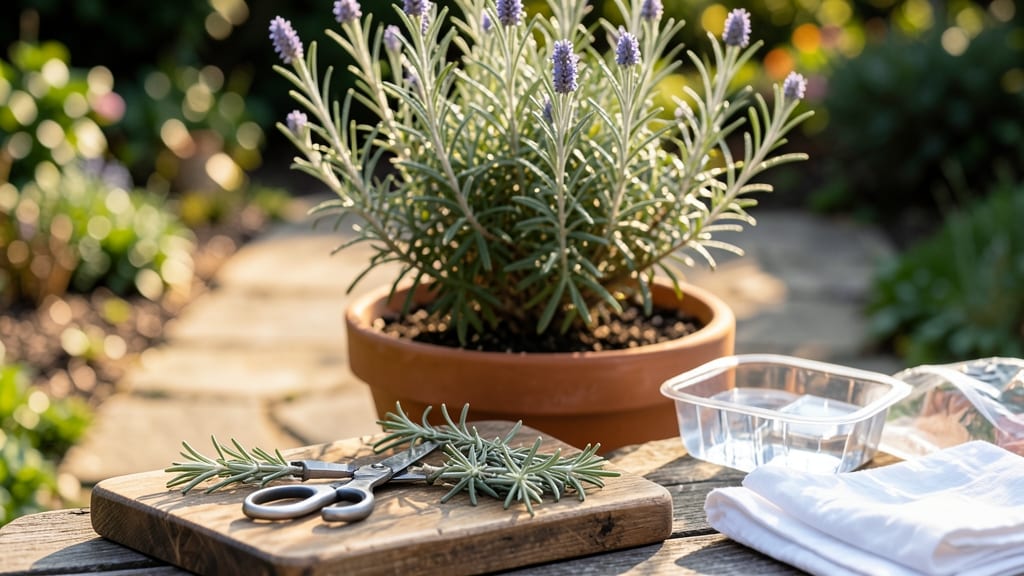
How to freeze rosemary from the garden always feels like a victory—until you realize you’ve got more than you can use fresh. Freezing rosemary locks in its piney, fresh flavor for winter cooking, but doing it right makes all the difference between usable herbs and freezer-dull disappointment.
The secret lies in drying it properly first—whether you air-dry or gently pat it dry—then storing it in airtight containers or bags. Whole sprigs keep their shape best for garnishes, while chopped rosemary blends perfectly into soups and stews.
I’ve ruined batches by skipping the drying step, so we’ll cover that critical step to avoid freezer burn.
By the end, you’ll have rosemary that smells as vibrant as the day you harvested it, ready to elevate roasts, marinades, and even homemade bread. The process takes just 30 minutes of prep time and keeps herbs usable for up to a year—no wilting, no sad flavor.
Whether you’re a first-time freezer or a seasoned herb preserver, this method works for any kitchen. Let’s make sure none of that hard-earned harvest goes to waste!
📚 In This Guide
- What you need
- Instructions
- Tips and common mistakes
- Wrapping up and next steps
What you need
- ● Fresh rosemary sprigs: Harvest organic, pesticide-free stems (about 1–2 cups loosely packed, or ~10–15 sprigs). Choose young, tender sprigs for best texture.
- ● Paper towels or clean kitchen towels: 2–3 sheets for drying.
- ● Sharp chef’s knife or herb scissors: For trimming stems (preferably 6–8 inches long).
- ● Freezer-safe containers: Option 1: Glass jars (e.g., 8–16 oz mason jars, with tight-sealing lids).
- ● Option 2: Heavy-duty freezer bags (e.g., quart-sized, ziplock-style with airtight seals).
- ● Option 3: Silicone molds (e.g., ice cube trays for chopped rosemary).
- ○ Plastic wrap or parchment paper: For wrapping sprigs before freezing (optional but helpful for whole sprigs).
- ● Parchment paper or silicone baking mat: For chopping (if prepping small pieces).
- ● Permanent marker: To label containers with the date and contents.
- ● Vacuum sealer: Extends shelf life by removing air (great for long-term storage).
- ● Food processor or microplane: For finely chopping rosemary into flakes (ideal for baking).
- ● Oil spray (light olive or vegetable oil): 1–2 sprays to prevent browning (for chopped rosemary).
- ● Small paper clips or labels: For marking freezer bags with dates.
- ● Glove or towel: To protect hands from rosemary’s sharp needles.
Step-by-Step instructions for freezing fresh rosemary
Preserving rosemary this way keeps its bright flavor locked in for soups, roasts, and marinades all winter long.
Harvest and Prep the Rosemary
Pick healthy stems with vibrant green needles when the plant is in full bloom—this is when the oils (and flavor) peak. Cut just above a leaf node where new growth will emerge. Bundle the stems together and tie them loosely with twine or a rubber band. Hang them upside down in a dry, shaded spot for 3-5 days to dry completely.
You’ll know it’s ready when the needles crumble easily between your fingers. If any stems feel damp or the needles stick together, let them dry another day. Avoid direct sunlight—it can turn the needles bitter. Once fully dried, strip the needles from the stems by running your fingers along them. Discard any brown or woody parts that remain.
Blanch the Rosemary for Freezing
Blanching preserves the rosemary’s color and flavor. Bring a pot of water to a rolling boil and prepare an ice bath in a large bowl. Working in small batches, drop 2-3 tablespoons of fresh rosemary needles into the boiling water for 30 seconds. Immediately transfer them to the ice bath for 30 seconds to stop the cooking process.
Drain the needles thoroughly using a clean kitchen towel or paper towels. Pat them dry to remove excess moisture—this prevents ice crystals from forming and dulling the flavor. Spread the needles on a clean kitchen towel or paper towel in a single layer to air-dry completely before freezing. This step is critical: any moisture left behind will create freezer burn.
Package the Rosemary for Freezing
Divide the dried needles into 1-2 tablespoon portions—this is the perfect amount for most recipes. Place each portion into a freezer-safe bag, removing as much air as possible before sealing. Alternatively, use small silicone ice cube trays filled with olive oil and a few rosemary needles, then freeze. Label each bag or tray with the date and contents.
For long-term storage, place the sealed bags in a larger freezer bag and remove as much air as possible before sealing again. This double-sealing method protects the rosemary from freezer burn. Store in the coldest part of your freezer, where temperatures stay at 0°F or below. The rosemary will keep its flavor for up to 6 months this way.
Thaw and Use Your Frozen Rosemary
There’s no need to thaw frozen rosemary—just add it directly to hot dishes like soups, stews, or sauces. For recipes where you’d normally add fresh rosemary, use twice the amount of frozen needles. If using in marinades or dressings, thaw the rosemary in the refrigerator overnight and drain any excess liquid before adding it to your recipe.
Watch for signs of freezer burn, like dull color or a musty smell. If you notice these, use the rosemary right away or discard it. Freshly frozen rosemary adds a bright, piney aroma to dishes—it’s worth the effort to preserve it this way. For best results, use it within 3 months for peak flavor.
Tips & tricks for perfectly preserved rosemary
Preserving rosemary properly makes all the difference between flavorful winter dishes and bland leftovers. Here's what I've learned after testing different methods.
Harvesting Timing: The 3-5 day drying period in Step 1 is non-negotiable for peak flavor. I've found that harvesting rosemary in the morning after the dew has dried gives you the freshest starting point. The plant's essential oils are most concentrated right after sunrise, which means more vibrant flavor in your preserved rosemary. Also, avoid harvesting after rain—wet stems take longer to dry and can develop mold.
Blanching Technique: When blanching in Step 2, I recommend using a slotted spoon to transfer the rosemary from boiling water to ice bath. This prevents overcrowding and ensures each needle gets the full 30 seconds in boiling water and 30 seconds in ice. The ice bath should be large enough that the water doesn't warm up significantly when you add the hot rosemary—ideally, keep it below 40°F for best results. This precise temperature control stops the cooking process instantly.
Storage Wisdom: For the packaging in Step 3, I've found that using vacuum-seal bags instead of freezer-safe bags extends shelf life by an additional 3 months. If you don't have a vacuum sealer, press out as much air as possible before sealing. The double-sealing method mentioned is especially important for maintaining that bright green color. Store your rosemary in the coldest part of your freezer, typically the back of the bottom shelf where temperatures consistently stay at 0°F or below.
Pro Tips for Freeze Rosemary From The Garden
- Preserving rosemary properly makes all the difference between flavorful winter dishes and bland leftovers.
- Harvesting Timing: The 3-5 day drying period in Step 1 is non-negotiable for peak flavor.
- Blanching Technique: When blanching in Step 2, I recommend using a slotted spoon to transfer the rosemary from boiling water to ice bath.
Frequently asked questions
Got questions about freezing rosemary?
Here are answers to the most common ones—so you can preserve your harvest like a pro!
Can I freeze rosemary with or without stems?
Yes, but trim the woody stems first—they’re tough and won’t freeze well. For whole sprigs, bundle and freeze them upright in a jar (leave space for expansion). For chopped rosemary, spread it on a tray before freezing to prevent clumping. Pro tip: Use a sharp knife for even cuts!
How long does frozen rosemary last?
Frozen rosemary stays fresh for 6–12 months if stored properly in an airtight container or freezer bag. For best flavor, use it within 6 months. Avoid refreezing thawed rosemary—it loses potency quickly. Label bags with the date to track freshness!
Can I freeze rosemary in oil or butter?
This method is perfect for infusing flavor into cooking oils or butter. Safety first: Use high-quality, shelf-stable oil (like olive or avocado) and freeze in ice cube trays or small jars. Avoid water-based mixtures—they can spoil. Great for drizzling over roasted veggies or pasta!
Why does my frozen rosemary smell weaker after thawing?
Thawed rosemary loses some aroma, but don’t toss it! Use it in dishes where flavor is less critical, like soups, stews, or baked goods. To revive it, crush the sprigs gently or use a mortar and pestle. For maximum flavor, add rosemary directly to hot dishes while cooking.
What’s the best alternative if I don’t have a freezer?
If freezing isn’t an option, try these preservation methods:
- Drying: Hang sprigs upside down in a dark, dry place for 1–2 weeks, then strip leaves.
- Vacuum-sealing: Preserves texture and flavor for months at room temp.
- Rosemary salt: Mix dried rosemary with coarse salt in a jar for long-term use.
Wrapping up and next steps
Freezing rosemary from your garden is a simple way to savor its fresh, aromatic flavor all year long—whether you're seasoning roasts, infusing oils, or brightening up winter dishes.
With just a few tools and a little prep time, you’ve got a pantry staple that’s ready whenever inspiration (or hunger!) strikes. 🌿
Now that you’re equipped with the know-how, why not expand your herb-preservation skills? Try freezing other garden favorites like thyme, basil, or parsley next—your future self (and taste buds) will thank you! Happy preserving! ✨