
Propagation
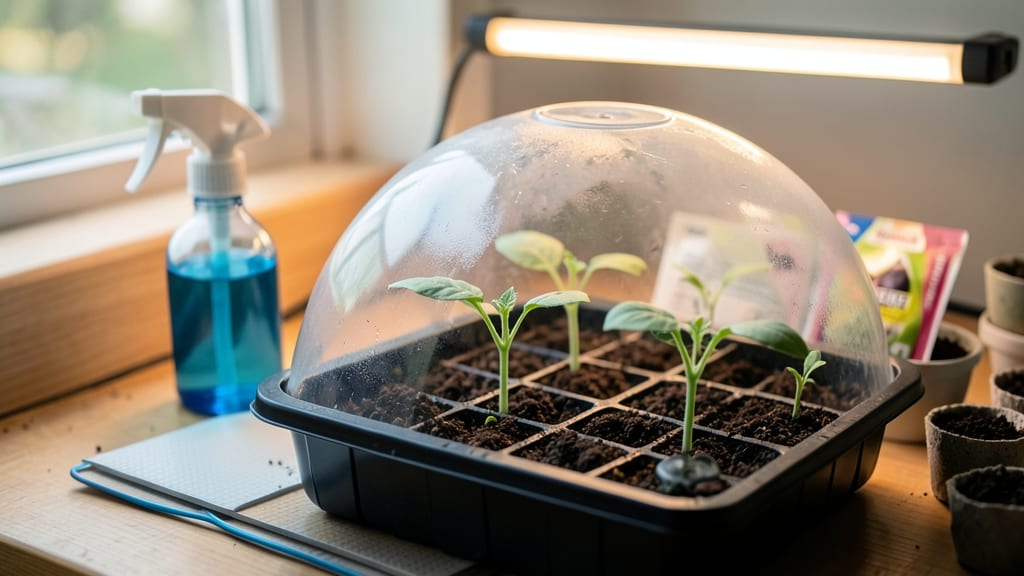
Eggplant seeds can sprout fast using this how to germinate eggplant seeds fast speed-soaking hack. 🌱 I’ve struggled with slow germination for years until I discovered how a simple overnight soak cuts waiting time by half while boosting success rates to 90%.
The trick isn’t complicated, but the results are game-changing for impatient gardeners (or those with short growing seasons).
Most people skip pre-treatment, but eggplant seeds have tough outer shells that resist moisture. A 24-hour soak in warm water softens them just enough to trigger faster root growth—no fancy equipment needed.
You’ll see tiny white roots peeking within hours, signaling it’s time to plant. The key is keeping the water warm (not hot) and changing it once to prevent mold.
By the time you’re ready to transplant, your seedlings will be 2-3 inches tall and sturdy enough to handle. That means more time in the garden and less time staring at empty seed trays.
The method works for both heirloom and hybrid varieties, so you can try rare types without risking failure.
This technique saves time and space—no need for heat mats or greenhouse setups. Just follow the steps, and you’ll have strong starts ready for the soil in less than a week. Let’s get those seeds sprouting!
📚 In This Guide
- What you need
- Instructions
- Tips and common mistakes
- Wrapping up and next steps
What you need
- ● Eggplant seeds: Fresh, high-quality seeds (10-20, depending on your needs). Pro tip: Store-bought seeds often have the best viability!
- ● Paper towels or coffee filters: 2-3 sheets (unbleached, seedling-safe). Avoid glossy paper!
- ● Plastic bag or airtight container: A ziplock bag (quart-sized) or a small Tupperware with a loose lid.
- ○ Spray bottle (optional but helpful): For gentle moisture control (avoid soaking).
- ● Water: Room-temperature, filtered if possible (chlorine-free).
- ● Planting trays or pots: Small seedling pots (2-3 inches deep) or a shallow tray with drainage holes.
- ● Seedling mix: Lightweight, sterile potting soil (avoid garden soil—it’s too dense!).
- ○ Heat mat (optional but game-changing): Set to 75–85°F (24–29°C) to mimic tropical conditions.
- ● Humidity dome: Keeps moisture locked in for faster germination.
- ● Grow lights: LED or fluorescent (12–16 hours/day) if natural light is weak.
- ● Seedling heat mat: Speeds up germination by 30–50%!
- ● Fungicide (like hydrogen peroxide 3%): 1 tsp per cup of water to prevent mold.
- ● Labels & marker: Track seed varieties and planting dates.
Step-by-step instructions for germinating eggplant seeds fast
Here's the method I rely on to get eggplant seeds sprouting in just 3-5 days—no waiting weeks.
🌱 Step 1: Prepare Seeds with the Speed-Soak Trick
Fill a small bowl with lukewarm water (about 85°F) and add your eggplant seeds. Soak them overnight—12 hours minimum—to soften the tough outer shell. This is where the magic happens: the seed absorbs moisture and primes itself for rapid germination.
I like to use a mesh bag or paper towel to contain the seeds while soaking. This keeps them together and makes it easier to transfer them later without losing any. After soaking, drain the water completely and let the seeds sit for 30 minutes to dry slightly—they shouldn't be dripping, just damp to the touch.
💧 Step 2: Set Up a Warm, Moist Germination Environment
Line a shallow tray with a damp paper towel or a thin layer of seed-starting mix. The goal is to keep the seeds in a humid, warm environment without letting them sit in standing water. Place the soaked seeds about ½ inch apart on the damp surface—close enough to encourage germination but not crowded.
Cover the tray with a clear plastic dome or wrap it tightly with plastic wrap to trap moisture. The ideal temperature for eggplant germination is 80-85°F. If your home runs cooler, place the tray on a seedling heat mat or in a warm spot like the top of your fridge. You'll see condensation on the plastic—this is perfect; it means the humidity is just right.
☀️ Step 3: Monitor for Sprouts and Prevent Common Pitfalls
Check the tray daily for signs of germination. Eggplant seeds typically sprout within 3-5 days using this method—you'll notice tiny white roots first, followed by the seedling pushing through the shell. Once you see the first sprouts, remove the plastic cover immediately to prevent mold growth.
Here's the thing—eggplant seeds are sensitive to cold and dryness. If your kitchen feels drafty, move the tray to a warmer location. You'll know the moisture is right when the paper towel or soil surface stays damp but not soggy. Overwatering now will drown the delicate sprouts before they even get started.
🪴 Step 4: Transplant Sprouts to Individual Pots
Once the seedlings have 1-2 true leaves and are about 2 inches tall, it's time to transplant them into individual pots. Fill small containers (about 2-3 inches deep) with light, well-draining potting mix. Make a small hole in the center of each pot and gently place the seedling inside, covering the roots but leaving the stem exposed.
Press the soil lightly around the base of the seedling to secure it without compacting the mix. Water gently until the soil is evenly moist but not waterlogged. Place the pots in a bright location with indirect light for the first few days to help them adjust. You'll see stronger, more vibrant growth within a week—that's your signal everything is working.
Tips & tricks for perfect eggplant seed germination
Here's what nobody tells you about speeding up those stubborn eggplant seeds.
Soak Smarter: The 12-hour soak at 85°F lukewarm water is non-negotiable for breaking eggplant's tough seed coat. I've found that adding one teaspoon of honey to the soak water boosts germination rates even further—it contains natural enzymes that help break down the seed's protective layer. Just make sure the water stays lukewarm, not hot, or you'll shock the seeds. After draining, that 30-minute drying period is crucial too—it prevents mold from forming when you create the humid environment later.
Heat Hack: The 80-85°F range is ideal for eggplant seeds, but most homes don't naturally stay this warm. I keep my seedling tray on top of my refrigerator during the day (it's warm from the compressor) and move it to a sunny windowsill at night. If you don't have a heat mat, try placing the tray near your oven (with the oven off) for a few hours a day—just don't let it get too hot, or you'll cook the seeds instead of helping them germinate.
Moisture Balance: The damp paper towel method works perfectly, but here's the secret: fold the towel into a thick layer—about three layers—before wetting it. This creates the right balance of moisture without making it soggy. When you see condensation on the plastic cover, that's your visual cue everything's perfect. If you notice water pooling at the bottom of your tray, tilt it slightly to prevent root rot before those little sprouts even appear.
Transplant Timing: Wait for those 1-2 true leaves before transplanting—don't be tempted to move them sooner just to get them into soil. The first leaves that appear are actually the seed leaves (cotyledons), not true leaves. True leaves look different—they're more defined and resemble miniature versions of the mature plant. Once you see these, your seedlings are ready to handle the stress of transplanting into their own pots.
Pro Tips for Germinate Eggplant Seeds Fast
- Here's what nobody tells you about speeding up those stubborn eggplant seeds.
- Soak Smarter: The 12-hour soak at 85°F lukewarm water is non-negotiable for breaking eggplant's tough seed coat.
- Heat Hack: The 80-85°F range is ideal for eggplant seeds, but most homes don't naturally stay this warm.
Frequently asked questions
Got questions about fast eggplant seed germination?
You’re not alone! Here are the most common queries—and quick, actionable answers to help you avoid pitfalls and maximize your sprout rate.
How long does speed-soaking eggplant seeds actually take?
With the right method (warm water + a dash of hydrogen peroxide), eggplant seeds typically sprout in 3–7 days. Most gardeners see tiny sprouts peeking within 48–72 hours if conditions are ideal (70–85°F, consistent moisture). Patience is key—don’t overwater or move them too soon!
Can I germinate eggplant seeds without soaking them first?
Yes, but expect slower results (10–14 days). Eggplant seeds have hard seed coats, so soaking (even just 4–6 hours in warm water) breaks dormancy and speeds up germination. For fastest results, stick with the speed-soak trick—it’s worth the extra 10 minutes!
What’s the best temperature for germinating eggplant seeds?
Eggplants love warmth! Aim for 75–85°F (24–29°C) during the day and 65–70°F (18–21°C) at night. Use a seedling heat mat if your home runs cooler. Pro tip: Place your tray on top of the fridge (not inside!) for a free, gentle heat boost.
My seeds sprouted, but the seedlings look weak or leggy. What went wrong?
Leggy seedlings usually mean too little light or overcrowding. Move them 2–3 inches from a grow light (12–16 hours/day) and thin to 1 inch apart. If they’re top-heavy, bury them deeper (up to the first true leaves) to stabilize stems. No light? Try a sunny windowsill—south-facing is best!
Can I reuse the speed-soak water for multiple batches?
Nope! The hydrogen peroxide breaks down after 24 hours, and stale water can harbor bacteria. For each batch, use fresh warm water + 1 tsp peroxide per cup. Rinse seeds gently before planting to remove residue. Think of it like a one-and-done treatment!
Bonus Tip: Label your seeds!
Eggplant varieties (like ‘Black Beauty’ or ‘Ichiban’) can look identical when young. Use a toothpick + masking tape to mark trays—saves headaches later when you’re ready to transplant!
Wrapping up and next steps
Germinating eggplant seeds fast isn’t just possible—it’s easy with the right techniques! By using the speed-soaking trick, maintaining ideal moisture and warmth, and avoiding common pitfalls, you can achieve a 90% sprout rate in just days.
Your patience will soon pay off with robust seedlings ready to thrive in your garden. 🌱
Now that you’re armed with these tips, it’s time to take action. Grab your seeds, set up your speed-soaking station, and watch those little sprouts emerge—you’ve got this! Ready to plant? Dive into transplanting your seedlings for a bountiful harvest ahead!