
Propagation
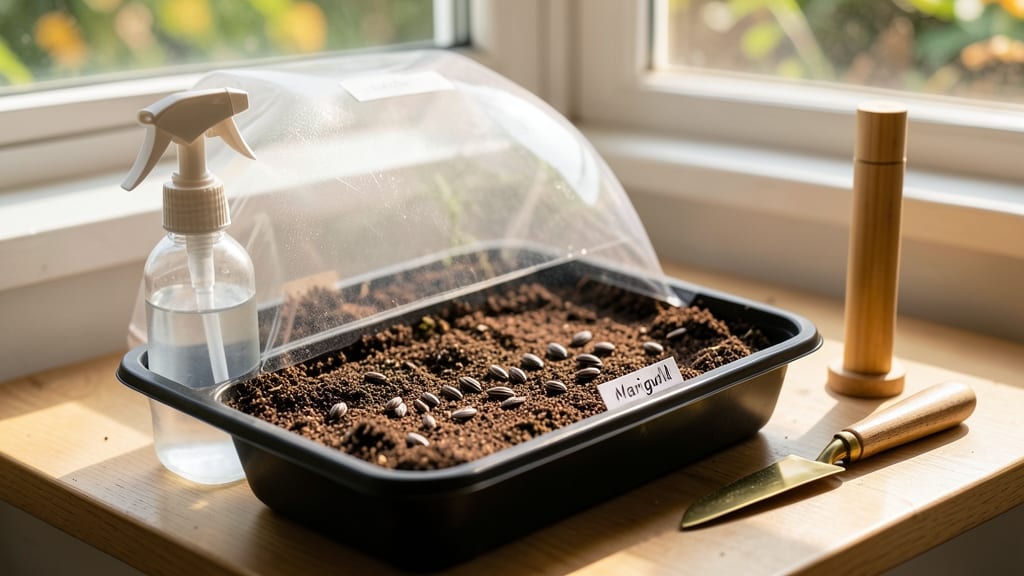
How to germinate marigolds faster than weeds is all about the right tricks—soaking seeds overnight or planting them in warm, damp soil. The secret? Consistency in moisture and temperature, not fancy equipment.
Most people overlook prepping the soil or seeds, but that’s where success starts. You’ll need a shallow tray, seed-starting mix, and a spray bottle for gentle watering. Marigolds love warmth—keep them in a spot around 75°F for speedy sprouts in 7-14 days. No greenhouse? A sunny windowsill works too.
Once those first bright green leaves appear, you’ll know you’re on track. The seedlings stay compact and sturdy, ready to transplant outdoors after their second set of true leaves. No leggy, floppy messes here—just bold, bushy plants that repel pests naturally.
Even if you’ve failed before, this method works for beginners. The key is patience—marigolds reward you with vibrant blooms all season once you get past the germination hurdle. Let’s get those seeds sprouting!
📚 In This Guide
- What you need
- Instructions
- Tips and common mistakes
- Wrapping up and next steps
What you need
- ● Marigold seeds: Choose fresh, high-quality seeds (French, African, or Signet varieties work well). Aim for 10-20 seeds depending on your project size.
- ● Germination medium: Water method: A clear glass or jar (8–16 oz), filled with room-temperature water (avoid tap water if it’s chlorinated—let it sit out for 24 hours or use filtered water).
- ● Soil method: A seed-starting tray with well-draining potting mix (sterilized or seed-starting blend). Avoid garden soil—it’s too dense!
- ● Containers: Water method: A small mesh bag, paper towel, or coffee filter (to hold seeds while soaking).
- ● Soil method: Seed trays or small pots (2–3 inches deep) with drainage holes.
- ● Spray bottle: For lightly misting soil (if using the soil method).
- ○ Plastic wrap or dome: Optional but helpful for creating a humid microclimate (especially for soil germination).
- ● Tweezers or toothpick: For gently placing tiny seeds.
- ○ Heating mat (optional): Speeds up germination—set to 70–75°F (21–24°C) for optimal results.
- ● Grow lights or sunny windowsill: Marigolds need 6–8 hours of light daily once sprouted.
- ○ Fertilizer (optional): A balanced, water-soluble fertilizer (5-5-5 or 10-10-10) diluted to half-strength for seedlings.
- ● Labels & markers: To track seed varieties and planting dates!
Step-by-step instructions for germinating marigolds
Marigolds are easy to sprout—here’s how to get them growing in just days.
Prepare Seeds for Faster Germination
Marigold seeds have a hard outer coating that slows sprouting. To speed things up, soak them in lukewarm water for 12-24 hours before planting. Place seeds in a small bowl and cover them with water—no need to submerge completely. You’ll see the coating soften and tiny cracks appear, signaling they’re ready to plant.
After soaking, drain the seeds and let them air-dry for 30 minutes on a paper towel. This prevents mold while keeping them hydrated. If you skip soaking, germination may take 2-3 weeks instead of just 5-7 days. I always soak mine—it’s the secret to fast, reliable sprouts.
Choose Your Germination Method
Marigolds can sprout in water or soil, each with its own advantages. For water germination, place soaked seeds between damp paper towels in a sealed plastic bag. Keep them in a warm (70-75°F) spot, like on top of a refrigerator. Check daily—you’ll see roots emerge in 3-5 days, followed by tiny green sprouts.
For soil germination, fill small pots with moist seed-starting mix and press seeds ¼ inch deep. Cover lightly with more mix and mist gently. Keep the soil consistently damp but not soggy—you’ll know it’s right when the surface feels slightly damp to the touch. Watering too much here can drown seeds before they sprout.
Provide Optimal Conditions for Sprouting
Marigolds thrive in warmth and light. Place your sprouting setup in a spot with indirect sunlight or under a grow light for 12-14 hours daily. If using water germination, transplant seedlings into soil once roots reach ½ inch long. Gently nestle the roots into the soil and press lightly to secure.
Watch for first true leaves—these are the second set of leaves after the initial seed leaves. They’ll appear 7-10 days after planting. If seedlings look leggy or pale, they need more light. Move them closer to the light source or adjust the grow light height. Strong seedlings have thick stems and deep green leaves.
Transplant Seedlings for Continued Growth
Once seedlings have 3-4 true leaves and are 2-3 inches tall, they’re ready for their final pots or garden bed. Harden them off by placing them outside in a shaded area for 1-2 hours daily over 5-7 days. This helps them adjust to outdoor conditions without shock.
When transplanting, dig a hole slightly larger than the root ball and place the seedling in at the same depth it was growing before. Press soil gently around the base to remove air pockets. Water deeply after planting to settle the soil and encourage root growth. Marigolds are tough once established, but giving them this careful start ensures vibrant, blooming plants all season.
Tips & tricks for perfect marigold germination
Fast, reliable sprouting starts with these key strategies that cut weeks off your wait time.
Seed Prep Matters: The 12-24 hour soaking period is non-negotiable for marigolds. I've tried skipping it, and germination time stretched to three weeks instead of the promised 5-7 days. Use lukewarm water—too hot can damage the seed, while cold water won't effectively soften that tough outer coating. After soaking, that 30-minute air-dry on a paper towel prevents mold while maintaining hydration. Think of it as a quick seed spa treatment before planting.
Temperature Control: Maintaining that 70-75°F range is crucial for both water and soil germination methods. If your home runs cooler, place your sprouting setup on top of a refrigerator or near a warm spot like a sunny windowsill. For water germination, I've found using a clear plastic bag creates a mini greenhouse effect that helps maintain consistent warmth. Just remember to check daily for condensation—you want damp, not soggy, conditions.
Lighting Strategy: The 12-14 hours of daily light requirement can be tricky with natural sunlight. If using indirect sunlight, rotate your seedlings every few days to prevent them from leaning toward one light source. For grow lights, position them about 2-3 inches above the seedlings and adjust as they grow. I've seen seedlings stretch dramatically when they're not getting enough light—those leggy stems are a clear sign they need more illumination. Strong seedlings develop thick stems and vibrant green leaves, not pale, elongated growth.
Transplanting Timing: Don't rush the hardening process when your seedlings reach the 3-4 true leaves stage. Those 5-7 days of gradual outdoor exposure at 1-2 hours daily make all the difference in preventing transplant shock. I've made the mistake of moving seedlings too quickly, and they wilted dramatically within hours. Start with morning shade and gradually increase exposure time. The goal is to toughen them up slowly so they can handle full sun conditions once planted.
Pro Tips for Germinate Marigolds
- Fast, reliable sprouting starts with these key strategies that cut weeks off your wait time.
- Seed Prep Matters: The 12-24 hour soaking period is non-negotiable for marigolds.
- Temperature Control: Maintaining that 70-75°F range is crucial for both water and soil germination methods.
Frequently asked questions
about germinating marigolds—because even the best gardeners hit snags! Here’s what you’ve been wondering:How long does it take for marigold seeds to sprout?
Most marigold seeds sprout within 7–14 days when kept in warm (70–75°F), moist conditions. French marigolds (like ‘Bonanza’) often sprout faster (5–10 days), while African marigolds (like ‘Crackerjack’) may take up to 2 weeks. Patience is key—don’t overwater or move them until sprouts appear!
Can I germinate marigolds indoors in winter?
Start seeds 6–8 weeks before your last frost date using grow lights (12–16 hours/day) to prevent leggy seedlings. Use seed-starting mix in small pots, keep humidity high with a plastic dome or plastic wrap, and maintain warmth (a heat mat helps). Hardening off for 7–10 days before transplanting is a must!
Why aren’t my marigold seeds sprouting in water?
Water germination can fail if seeds aren’t soaked long enough (24–48 hours in warm water) or if the water stales (change it daily). Marigolds often need light to trigger germination—place jars near a sunny window or under grow lights. If seeds float or mold appears, they may be bad. Try soil instead for better success!
What’s the best soil mix for marigold germination?
Use a light, sterile seed-starting mix (like 50% peat moss + 50% perlite/vermiculite) to prevent damping-off. Avoid garden soil—it’s too dense and can harbor fungi. For water germination, switch to soil once roots reach ½ inch. Keep the mix barely moist (like a damp sponge) to avoid rot.
Do marigolds need light to germinate?
Marigold seeds do not need light to sprout—they’re photoblastic, meaning they’ll germinate in darkness. However, expose seedlings to light immediately after sprouting (12+ hours/day) to prevent weak, stretched stems. Use a grow light if natural light is limited. Yellowing seedlings? They’re begging for more light!
Can I reuse marigold seeds from last year?
Yes! Store seeds in a cool, dry place (50–60°F) in a sealed container with silica gel or rice for up to 2–3 years. Label them and check for viability by testing a few in soil. Older seeds may take longer to sprout but often work fine.
Wrapping up and next steps
Germinating marigolds is a rewarding process that brings vibrant color and natural pest control to your garden! With the right materials and a little patience, you’ll soon see those first tiny green sprouts breaking through.
Whether you choose water or soil, follow these steps to give your seeds the best start—your future blooms will thank you! 🌱✨
Now that you’re ready to grow, why not expand your garden? Try experimenting with different marigold varieties or even other easy-to-germinate flowers. Happy planting—your garden awaits! 🌸👩🌾