
Blooming
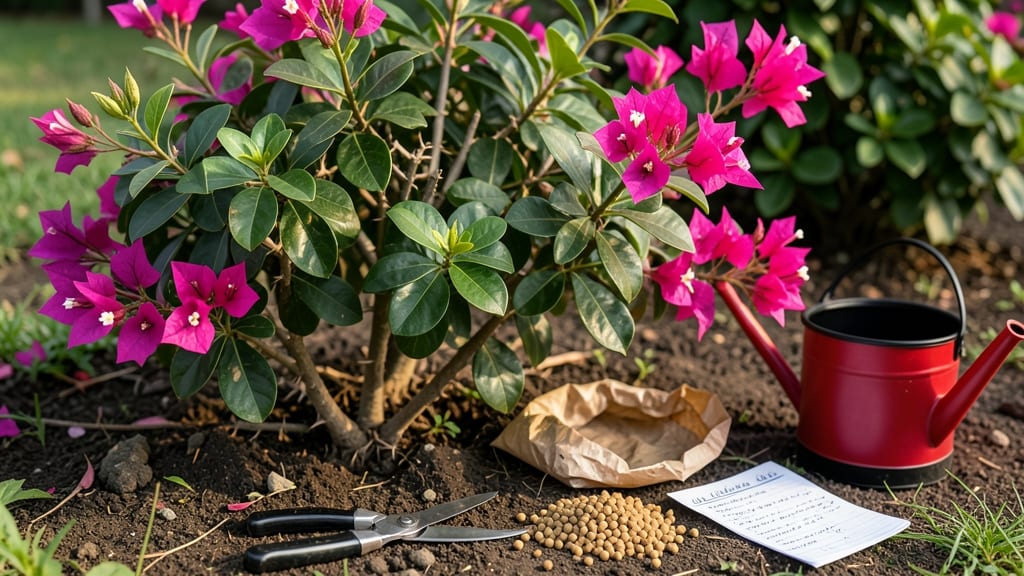
How to get your bougainvillea to flower more—those vibrant blooms might just be waiting for the right care. 🌸 After years of struggling with my own reluctant bougainvillea, I cracked the code: it’s not just about sunlight or water (though those matter), but precise timing and technique that unlocks those showstopping flowers.
The secret starts with spring pruning—cutting back by ⅓ to encourage new growth, then deadheading spent blooms every few weeks. Too much pruning in fall can starve next year’s flowers, while neglecting fertilizer (especially high-phosphorus blends) keeps blooms sparse.
My plant now bursts with color from spring through frost, and the process takes less than 20 minutes monthly.
You’ll see the difference within 4-6 weeks of proper care: thicker stems, more buds, and blooms that last longer. The key is balancing aggression (pruning) with patience (letting new growth harden off). Even my neighbor’s stubborn plant transformed after we applied these same steps.
Works for both container and in-ground bougainvillea, and adapts to zones 9-11. Let’s fix that sparse growth once and for all—your patio deserves that riot of color!
📚 In This Guide
- What you need
- Instructions
- Tips and common mistakes
- Wrapping up and next steps
What you need
- ● Pruning shears or bypass pruners – Sharp, clean, and sterilized (avoid dull blades that crush stems).
- ● Gloves – Thick gardening gloves (bougainvillea thorns are no joke!).
- ● Balanced, water-soluble fertilizer – 10-10-10 or 20-20-20 NPK ratio (follow package instructions for dilution).
- ○ Slow-release granular fertilizer – Optional but helpful (e.g., 13-14-17 with micronutrients).
- ● Phosphorus-rich fertilizer (e.g., bone meal or superphosphate) – For blooming boosts (5-10-10 or similar).
- ● pH test kit – Digital or liquid test strips (bougainvillea thrives in acidic to neutral soil (pH 6.0–7.0)).
- ○ Mulch (optional but recommended) – Organic mulch like pine bark or straw (2–3 inches thick).
- ● Watering can or hose with a gentle nozzle – Avoid overhead watering (prevents fungal issues).
- ● Sunlight access – At least 6–8 hours of direct sun daily (partial shade reduces blooms).
- ● Well-draining soil – Amend heavy clay with perlite, sand, or coconut coir (bougainvillea hates soggy roots!).
- ● Patience & consistency – Flowering takes 4–6 weeks after pruning/fertilizing.
- ● Know your bougainvillea’s age – Young plants (under 2 years) need gentler pruning.
- ● Epsom salt (magnesium sulfate) – 1 tablespoon per gallon of water (spray foliage monthly for greener leaves and better blooms).
- ● Bloom-boosting additives – Seaweed extract or fish emulsion (enhances root and flower health).
- ● Support stakes or trellis – For climbing varieties (prevents sprawl and encourages upward growth).
Step-by-Step guide to encouraging bougainvillea blooms
Here's the proven approach I use to transform my bougainvilleas from leafy shrubs into vibrant flowering powerhouses.
☀️ Step 1: Provide Full Sun Exposure Daily
Bougainvillea needs 6-8 hours of direct sunlight to trigger flowering. I position mine where they get morning sun plus afternoon rays—west-facing walls work perfectly in most climates. Without enough light, the plant focuses on leaf growth instead of blooms.
Watch for yellowing leaves or sparse flowering—they’re clear signs your plant needs more sun. If you're container-growing, rotate pots weekly so all sides get even exposure. You'll notice new growth turning a deeper green within two weeks of proper light placement.
✂️ Step 2: Prune Strategically for Airflow and Shape
Prune in late winter or early spring when new growth begins. Cut back 1/3 of the plant's length to encourage bushier growth and better air circulation. I always use clean, sharp pruners to make 45-degree cuts just above a leaf node—this prevents disease and promotes new branching.
Remove any dead or crossing branches first. You'll see more flowers if you prune to create an open, airy shape—this prevents humidity buildup that can cause fungal issues. For established plants, I do a second light pruning after flowering to maintain shape and encourage next season's blooms.
💧 Step 3: Water Deeply but Infrequently
Bougainvillea thrives on drought-like conditions. Water deeply once a week during dry spells, letting the soil dry completely between waterings. I check by sticking my finger 2 inches into the soil—if it feels dry, it's time to water. Overwatering causes root rot and stops blooming.
Use well-draining soil and containers with drainage holes. You'll know your watering is right when leaves stay a healthy green without wilting. If you notice yellowing leaves, you're likely overwatering—cut back immediately and let the soil dry out completely for a week.
🌿 Step 4: Feed with Phosphorus-Rich Fertilizer
Bougainvillea blooms respond dramatically to phosphorus. I use a balanced 10-20-10 fertilizer every 4-6 weeks during the growing season. Apply it after watering to prevent root burn, and always follow label instructions for dosage.
For container plants, I mix in a slow-release granular fertilizer at planting time. You'll see new flower buds forming within 3-4 weeks of proper feeding. Avoid high-nitrogen fertilizers—they promote leafy growth at the expense of blooms.
🌸 Step 5: Deadhead Regularly and Control Growth
Deadhead spent blooms by cutting back to the nearest leaf node. This encourages continuous flowering throughout the season. I do this every 2-3 weeks during peak bloom time. The plant will respond by producing new flower clusters within 10-14 days.
For container plants, I also trim back any overly vigorous shoots that start to dominate. This keeps the plant balanced and ensures energy goes toward producing more flowers rather than excessive foliage. You'll notice a denser, more colorful display within a month of consistent deadheading.
Tips & tricks for encouraging bougainvillea blooms
Here's what nobody tells you about transforming your bougainvillea from a leafy shrub into a flowering showstopper.
Light Placement Strategy: The 6-8 hours of direct sunlight in Step 1 should include at least 4 hours of afternoon sun—the most intense light period. I've found that east-facing windows provide morning light but lack the afternoon intensity bougainvillea craves. For container plants, rotate them weekly so all sides receive equal exposure. This prevents lopsided growth and ensures even flowering.
Pruning Precision: When cutting back 1/3 of the plant's length in Step 2, focus on removing the oldest, woodiest growth first. These mature branches often produce fewer flowers. Make your 45-degree cuts just above a leaf node where new growth emerges—this creates a natural growth point for future blooms. I always sterilize my pruners with rubbing alcohol between cuts to prevent disease transmission.
Watering Wisdom: The once-weekly watering in Step 3 should be adjusted based on your climate. In hot, dry areas, you might need to water every 5-6 days, while cooler regions may only need watering every 10-14 days. Always check soil moisture 2 inches deep before watering—this simple test prevents the overwatering that kills blooms. Consider using a moisture meter for precise readings.
Fertilizer Timing: The 4-6 week feeding schedule in Step 4 works best when timed with new growth. I apply my 10-20-10 fertilizer right after I see fresh green growth appear, usually in early spring. For container plants, I reduce the fertilizer amount by half since they have less soil volume. You'll notice new flower buds forming within 3-4 weeks of proper feeding, but consistency is key—don't skip months just because you don't see immediate results.
Pro Tips for Get Bougainvillea To Flower More
- Here's what nobody tells you about transforming your bougainvillea from a leafy shrub into a flowering showstopper.
- Light Placement Strategy: The 6-8 hours of direct sunlight in Step 1 should include at least 4 hours of afternoon sun—the most intense light period.
- Pruning Precision: When cutting back 1/3 of the plant's length in Step 2, focus on removing the oldest, woodiest growth first.
Frequently asked questions
about encouraging bougainvillea to bloom more—because even the most patient gardeners have burning questions! Here are the answers to the most common ones:Why isn’t my bougainvillea flowering at all?
Bougainvillea needs full sun (6+ hours daily) and well-draining soil to thrive. If it’s shaded or overwatered, it may skip blooming. Also, check if it’s getting enough phosphorus (the middle number in fertilizer)—this nutrient directly fuels flowers! Pro tip: If it’s a young plant, be patient—it often takes 1–2 years to bloom.
How long does it take for bougainvillea to flower after pruning?
Pruned bougainvillea can take 4–8 weeks to show new blooms, depending on the season and growing conditions. Prune in late winter or early spring for the best results, as this aligns with its natural growth cycle. Avoid heavy pruning in fall—it may delay spring blooms! Remember: Bougainvillea blooms on new wood, so pruning stimulates fresh growth (and flowers!).
Can bougainvillea flower in cold climates?
Bougainvillea is a tropical/subtropical plant and struggles in temperatures below 30°F (-1°C). In colder zones, grow it in containers and bring it indoors during winter or plant it near a sunny wall for protection. Some varieties (like Bougainvillea spectabilis) are slightly hardier but still need winter care. Alternative: Try alternanthera or hibiscus for cold-climate color!
Is it okay to prune bougainvillea during flowering season?
Light pruning (removing spent blooms or leggy stems) is fine during flowering, but avoid heavy pruning—it can shock the plant and reduce blooms. Focus on deadheading (removing faded flowers) to encourage more blooms. Save major pruning for late winter when the plant is dormant. Quick tip: Use sharp, clean shears to prevent disease!
What’s the best fertilizer for bougainvillea blooms?
A balanced, phosphorus-rich fertilizer (like 10-30-20) is ideal, applied every 4–6 weeks during growing season. Bougainvillea also loves organic matter like compost or worm castings. Avoid high-nitrogen fertilizers—they promote leaves over flowers! Bonus: A light foliar spray with seaweed extract can boost blooms naturally.
Can I grow bougainvillea in pots, and will it flower?
Bougainvillea thrives in containers with well-draining soil and regular watering. Potted plants often bloom more prolifically because you can control nutrients and sunlight. Just ensure the pot has drainage holes and repot every 2–3 years to refresh the soil. Pro move: Move pots to a sunniest spot daily for maximum blooms!
Wrapping up and next steps
Getting your bougainvillea to burst into vibrant, abundant blooms is totally within your reach! With the right mix of pruning, nutrient-rich feeding, and deadheading, you’ll transform your plant into a stunning floral showstopper.
Remember, patience and consistency are key—your bougainvillea will thank you with season after season of color!
Ready to see those eye-catching blooms? Start by auditing your plant’s care routine—adjust sunlight, water, and fertilizers as needed. Then, grab your pruners and get growing! 🌸✨