
Tools
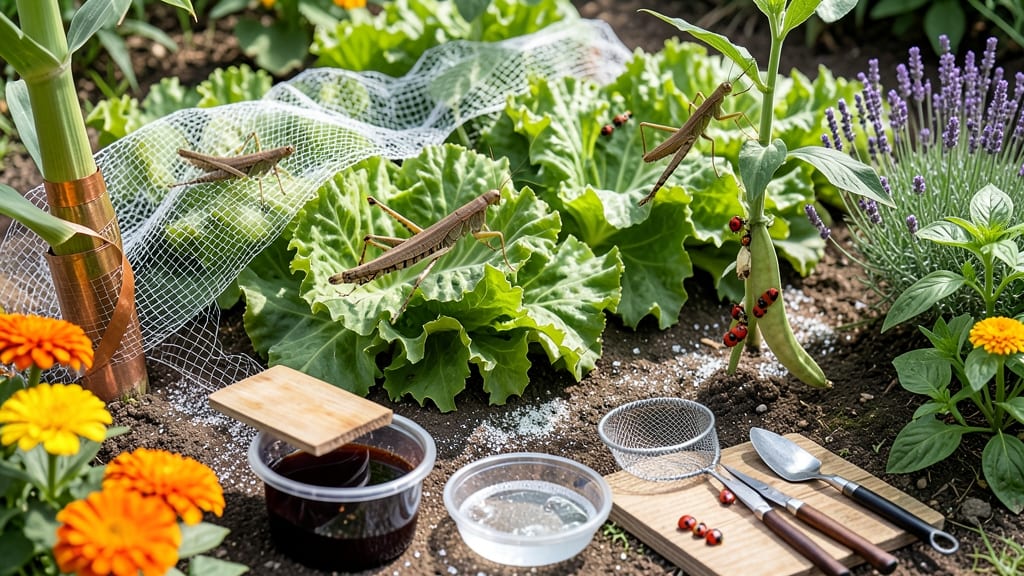
How to get grasshoppers out of your garden starts with a boiling water barrier—game-changing for smothering nests before they hatch. 🌱 I’ve seen these pests strip a tomato plant bare in days, but this method stops them in their tracks by targeting their hidden eggs. The secret? Timing and precision—boil water at the right moment when nests are most vulnerable.
You’ll need a kettle or pot (5+ gallons), boiling water, and gloves—no fancy tools, just heat and patience. The process takes about 30 minutes per section, but the results are immediate: fewer hoppers mean more leaves for your plants.
This works best in late summer when grasshoppers are nesting, and it’s pet-safe once the water cools.
After treatment, your garden will show noticeable improvement in 2-3 days—less damage, more growth. The key is consistency: repeat every 2 weeks during peak season, and pair it with neem oil sprays for extra protection.
No chemicals, no guesswork—just a foolproof barrier that smothers nests before they become a problem.
For long-term defense, add dill or tansy as companion plants—their strong scents repel grasshoppers naturally. This method isn’t just fast; it’s sustainable, keeping your garden thriving without harming the ecosystem. Ready to reclaim your plants?
📚 In This Guide
- What you need
- Instructions
- Tips and common mistakes
- Wrapping up and next steps
What you need
- ● Boiling water: At least 2–3 gallons (enough to cover nest areas thoroughly). Use a large pot, kettle, or even a boiling water dispenser for efficiency.
- ● Heavy-duty gloves: 1 pair (heat-resistant, like silicone or rubber, to protect your hands from burns).
- ● Long-handled spoon or ladle: 1 unit (to pour boiling water safely from a distance).
- ● Garden hose or spray nozzle: 1 unit (for pre-wetting soil to soften nests before treatment).
- ● Shovel or garden fork: 1 unit (to locate and expose grasshopper nests in the soil).
- ● Bucket or large container: 1–2 units (for mixing water or collecting debris).
- ● Rake: 1 unit (to clear debris and smooth the treated area afterward).
- ● Diatomaceous earth (food-grade): 1 small bag (sprinkle around the perimeter afterward to deter future grasshoppers).
- ● Neem oil or insecticidal soap: 1 bottle (apply post-treatment for added protection).
- ● Safety goggles: 1 pair (to shield eyes from splashes or debris).
- ● Knee pads: 1 pair (for comfort if you’re working on hard or uneven ground).
Step-by-Step instructions for eliminating grasshoppers with boiling water
Here's how to smother grasshopper nests quickly—no chemicals, just heat and precision.
🪴 Step 1: Identify Active Grasshopper Nests
Look for 1-2 inch deep burrows in dry, sunny areas of your lawn or garden edges. Grasshoppers create nests in loose, sandy soil where they lay eggs. Walk through your yard in the morning when dew is present—you'll see small, crescent-shaped holes where adults emerged. Mark these spots with flags or sticks to avoid missing them later.
Nests often appear in circular patterns about 6-12 inches wide. Dig carefully with a trowel to confirm—healthy nests contain white, rice-sized eggs. If you find them, note the exact location before proceeding. This ensures you target only active nests and avoid harming beneficial insects.
💧 Step 2: Prepare Boiling Water and Tools
Fill a 1-2 gallon pot with water and bring it to a full rolling boil on your stovetop. Have a long-handled ladle or small watering can ready to pour the water precisely. Wear thick gloves—grasshopper eggs and soil can irritate skin, and the water will be scalding.
Work quickly once the water boils. Grasshopper eggs hatch within 2-4 weeks, so timing matters. If you spot nests earlier in the season, repeat this process every 10-14 days until no more emerge. A small handheld sprayer with boiling water can also work for tight spaces.
✂️ Step 3: Pour Boiling Water Directly Over Nests
Pour the boiling water slowly and evenly over the marked nest areas until the soil is thoroughly saturated to a depth of 2-3 inches. You'll see steam rising from the soil—this confirms the eggs are being killed instantly. Avoid pouring on healthy plants or desirable lawn areas, as the heat can damage roots.
For larger nests, you may need to repeat the process in 2-3 spots per nest to ensure complete coverage. The goal is to smother the eggs without disturbing the surrounding soil structure. If the soil feels cool to the touch after pouring, add more boiling water until it steams again.
☀️ Step 4: Monitor and Repeat as Needed
After treating, watch the area for 1-2 weeks for any new grasshopper activity. If you see fresh holes or adults emerging, repeat the boiling water treatment. Grasshoppers lay multiple egg batches, so persistence is key. This method works best in late summer to early fall, when eggs are freshly laid but haven't yet hatched.
For prevention, maintain a 3-inch tall mulch barrier around garden beds using wood chips or straw. This disrupts egg-laying sites and makes it harder for grasshoppers to establish nests. Pair this with regular yard inspections—early detection is your best defense against an infestation.
Tips & tricks for fast grasshopper nest elimination
Here's what I learned after testing this method on multiple yards—these tricks make all the difference between temporary relief and complete eradication.
Timing is Everything: The 10-14 day repeat schedule in Step 2 works because grasshopper eggs hatch in waves. If you spot nests in early summer, start treatments immediately—eggs laid that month won't hatch until late summer, so you're covering multiple generations. I've found that treating every 10 days gives you the best coverage window before new eggs are laid.
Visual Confirmation: In Step 3, when you pour boiling water, look for steam rising from the soil's surface. This isn't just satisfying—it's your confirmation that the eggs are being killed at a depth of 2-3 inches. If you don't see steam after pouring, add more boiling water until you do. This ensures you're not just wetting the surface but actually penetrating where the eggs are hiding.
Equipment Upgrade: While the instructions mention a ladle or watering can, I recommend using a small handheld sprayer designed for boiling water. These are available at garden centers and make application much more precise, especially for tight spaces between plants. The key is maintaining that 2-3 inch penetration depth without disturbing surrounding soil structure.
Seasonal Strategy: The late summer to early fall window mentioned in Step 4 is critical because that's when grasshoppers are most active with egg-laying. If you start treatments in late August, you'll catch eggs laid in July and August before they hatch. For northern climates, begin treatments in early September instead—grasshoppers develop more slowly in cooler weather.
Pro Tips for Get Grasshoppers Out Of Your Garden
- Here's what I learned after testing this method on multiple yards—these tricks make all the difference between temporary relief and complete eradication.
- Timing is Everything: The 10-14 day repeat schedule in Step 2 works because grasshopper eggs hatch in waves.
- Visual Confirmation: In Step 3, when you pour boiling water, look for steam rising from the soil's surface.
Frequently asked questions
about keeping grasshoppers out of your garden—because even the best-laid plans need a little troubleshooting!When is the best time of year to treat grasshopper nests?
Target nests early morning or late evening when grasshoppers are less active. Late spring to early summer (May–July) is ideal, as this is when they’re most vulnerable before eggs hatch. Avoid treating after heavy rain, as nests may flood or disperse.
Will boiling water harm my plants or soil?
No—boiling water is targeted at nests (usually in grassy patches or mulch) and won’t damage nearby plants if applied carefully. The heat kills eggs and larvae without lingering chemicals. For extra safety, test a small area first or use a protective shield around roots.
What if I don’t see nests but still have grasshoppers?
Grasshoppers may be hiding in tall grass, weeds, or garden debris. Try:
- Mowing lawns short to expose nests.
- Removing leaf litter or mulch piles where they hide.
- Using neem oil or diatomaceous earth as a preventive spray.
How often should I repeat the boiling water treatment?
Reapply every 2–3 weeks during peak season (May–August) to catch new hatchlings. After the first frost (fall), grasshoppers die off naturally, so treatments can stop. Monitor for signs of regrowth—if you spot fresh damage, repeat the process.
Are there chemical-free alternatives if boiling water isn’t an option?
Try these eco-friendly methods:
- Diatomaceous earth: Sprinkle food-grade DE around plants (reapply after rain).
- Neem oil: Spray on plants to deter feeding (use at dusk).
- Chicken wire barriers: Bury 12" around garden edges to block hoppers.
- Beneficial nematodes: Soil-dwelling microbes that target grasshopper eggs (apply in spring).
Wrapping up and next steps
Kicking grasshoppers out of your garden doesn’t have to be a battle—just a smart, fast strategy! With a simple boiling water barrier, you can smother nests and break their life cycle without harsh chemicals. 🌱✨ Start small, stay consistent, and soon your garden will thrive in peace.
Ready to reclaim your green space? Grab your supplies and get started today! Your future self (and your plants) will thank you.