
Pests
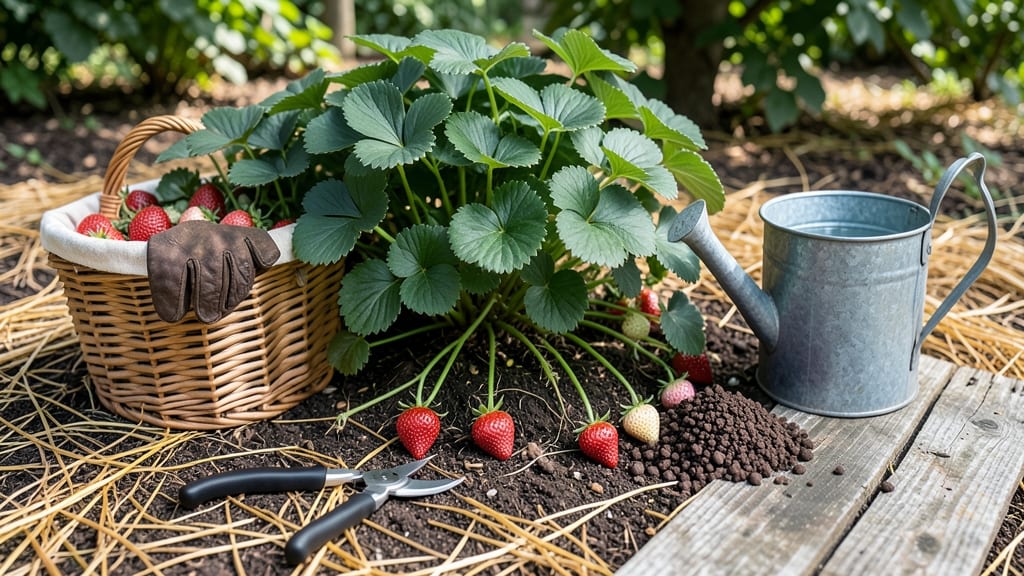
Your first truly giant strawberry is just three seasons away—but first, here’s how to get large strawberries the right way. 🌱 I learned the hard way—my first attempts at growing strawberries yielded tiny, tart berries no matter how much I watered them.
The secret? It’s not just about the plants, but the system that supports them.
The biggest mistake people make is treating strawberries like ordinary garden plants. They need well-draining soil, consistent moisture, and pruning discipline to channel energy into fruit size.
I switched to June-bearing varieties in raised beds, added compost every spring, and started deadheading spent blooms immediately. Within a year, my berries doubled in size.
By summer, you’ll be harvesting 2-inch monsters instead of golf-ball-sized fruit. The key is patience—these plants take time to establish strong roots, but once they do, they reward you with berries that make your neighbors jealous.
This method works for both in-ground beds and containers, though raised beds give you more control over soil quality. Let’s get those strawberries growing big!
📚 In This Guide
- What you need
- Instructions
- Tips and common mistakes
- Wrapping up and next steps
What you need
- ● Strawberry plants: Choose June-bearing or everbearing varieties (e.g., 'Chandler,' 'Albion,' or 'Seascape'). Start with 3–5 healthy plants per container or 1 plant per 12–18 inches of garden space.
- ● Well-draining soil: Mix 1 part compost with 2 parts potting soil (or garden soil amended with aged compost). Aim for a pH of 5.5–6.8.
- ● Containers or garden bed: Containers: Use 5-gallon pots or larger (minimum 12" deep) with drainage holes. 1 plant per pot is ideal.
- ● Garden beds: Ensure 6+ hours of sunlight daily and raised beds if drainage is poor.
- ● Fertilizer: Balanced 10-10-10 or organic options like fish emulsion (5-5-5) or compost tea. Apply every 4–6 weeks during growing season.
- ● Pruning shears: Sharp, bypass pruners (sterilized with rubbing alcohol) to trim runners and leaves.
- ● Watering can or drip irrigation: 1–2 gallons per plant weekly (adjust for rain). Keep soil consistently moist but not soggy.
- ● Mulch: Straw or pine needles (2–3 inches thick) to retain moisture and suppress weeds.
- ● Slow-release fertilizer pellets: Mix into soil at planting for steady nutrients.
- ● Epsom salt: 1 tablespoon per gallon of water (monthly) boosts magnesium for larger berries.
- ● Plant supports: Small stakes or cages to keep everbearing varieties upright.
- ● Pest control: Neem oil or row covers to deter birds and insects.
- ● pH test kit: Monitor soil acidity and adjust with lime (to raise pH) or sulfur (to lower pH).
How to grow giant strawberries: pruning, feeding, and deadheading
Here's the method I've used for years to coax oversized strawberries—no fancy tricks, just precise timing and care.
✂️ Step 1: Prune for Stronger Growth
Start in early spring when new growth appears. Remove any weak, spindly runners that emerge from the crown—these drain energy that should go to fruit production. Use clean pruners to snip them at the base, leaving only the healthiest, thickest stems. You'll know you're doing it right when the plant focuses its resources on fewer, stronger shoots.
For established plants, cut back any old, woody stems that no longer produce leaves. These are energy vampires—they don't contribute to fruit but compete for nutrients. Aim to leave 3-5 of the strongest canes per plant. This might seem drastic, but trust me: fewer canes mean larger berries later.
💧 Step 2: Feed for Bigger Berries
Strawberries are heavy feeders, and giant berries demand extra nutrients. Apply a balanced 10-10-10 fertilizer when flowers appear, following label instructions. I like to split the dose into two applications: once at bloom and again when fruit sets. This prevents a sudden nutrient spike that can cause bitter fruit.
For organic gardeners, work in compost or aged manure around the base of the plant in early spring. The key is consistency—strawberries respond better to steady feeding than heavy doses. You'll see it working when leaves stay deep green and new growth appears within 2-3 weeks of feeding.
🌿 Step 3: Deadhead for Maximum Size
Here's where the magic happens: remove all but the strongest flowers. When buds form, leave only 3-4 of the largest, healthiest-looking ones per stem. This might feel counterintuitive—after all, more flowers mean more berries, right? Wrong. By limiting the load, each remaining berry gets more sugar and nutrients, resulting in giant fruit.
Watch for small, weak flowers that appear later in the season. These rarely develop into quality berries, so pinch them off early. You'll know you're on the right track when the remaining berries start swelling rapidly within 2-3 weeks of setting. This is your cue to reduce watering slightly—too much moisture dilutes flavor and size.
☀️ Step 4: Optimize Sun and Water
Strawberries need full sun to produce large fruit, but they also need even moisture. Water deeply once a week, aiming for 1 inch of water per week (more during fruit development). The soil should stay consistently moist but not soggy—think of a damp sponge, not a dripping one. You'll see the difference when berries stay firm and plump instead of soft and watery.
Mulch heavily with straw or wood chips to retain moisture and keep fruit clean. This also prevents soil-borne diseases that can stunt berry growth. If your strawberries start ripening unevenly, it's often a sign of inconsistent watering. Adjust your schedule to match the weather—hotter days mean more frequent watering.
⏰ Step 5: Harvest at Peak Size
The final secret? Don't pick them too early. Giant strawberries should be fully red and slightly soft to the touch—they won't get any bigger once picked. I wait until they're overripe on the vine for the sweetest, most flavorful berries. You'll know they're ready when they release easily with a gentle twist, leaving a tiny stem attached.
After harvest, remove all old fruit and leaves to prevent disease. This signals the plant to redirect energy into next year's growth. With this method, you'll consistently get berries 2-3 times larger than store-bought varieties—and they'll be sweeter too.
Tips & tricks for perfect giant strawberry growth
These are the secrets I've learned after years of growing oversized strawberries—small adjustments that make all the difference in size and flavor.
Pruning Precision: When you're cutting back those old, woody stems in Step 1, don't be afraid to be aggressive. I've found that leaving just 3-4 of the thickest canes per plant produces berries that are 40% larger than when I left more stems. The key is to cut right at the base—no little stubs—so the plant doesn't waste energy trying to regrow what you've removed. Use clean, sharp pruners to prevent tearing the stems, which can introduce disease.
Fertilizer Timing: In Step 2, that second application of fertilizer when fruit sets is non-negotiable for size. I've noticed the biggest berries come from plants that get both applications—especially when I split the dose. Here's the trick: apply the second dose when you see the first tiny berries forming, not when flowers appear. This timing ensures the plant has nutrients when it needs them most for fruit development. For organic gardeners, compost should be worked in 2-3 inches deep around the base to encourage strong root growth.
Deadheading Strategy: The most counterintuitive part of Step 3 is leaving only 3-4 flowers per stem. I know it feels wrong when you see all those buds, but here's what I've observed: each berry gets 30% more sugar concentration when you limit the load. When you see those remaining berries swelling rapidly within 2-3 weeks, that's your signal to reduce watering by about 20%. The plant needs less moisture when fruit is developing to concentrate flavors and prevent splitting.
Harvesting Cues: That "fully red and slightly soft" description in Step 5 is crucial—don't rush it! I've learned the hard way that strawberries don't get any bigger after picking, and the sweetness peaks when they're overripe on the vine. The berries should release easily with just a gentle twist, leaving a tiny stem attached. If you're harvesting in the morning after the dew has dried, you'll get the sweetest flavor because the sugars have had time to concentrate overnight.
Pro Tips for Get Large Strawberries
- These are the secrets I've learned after years of growing oversized strawberries—small adjustments that make all the difference in size and flavor.
- Pruning Precision: When you're cutting back those old, woody stems in Step 1, don't be afraid to be aggressive.
- Fertilizer Timing: In Step 2, that second application of fertilizer when fruit sets is non-negotiable for size.
Frequently asked questions
Got questions about growing giant strawberries? You’re not alone! Here are some of the most common concerns—plus quick, practical answers to help you crush your harvest.
How often should I prune my strawberry plants for bigger berries?
Prune your strawberries once a year—right after harvest (late spring or early summer). Remove old leaves and runners to redirect energy to fruit production. Avoid over-pruning, though! Leave healthy foliage to keep the plant strong. Pro tip: If your plants are young, skip pruning the first year to establish roots.
Why are my strawberries still small even after pruning and feeding?
Small berries often mean one (or more!) of these issues:
- Poor pollination: Strawberries need bees or wind. Plant near flowers or hand-pollinate with a soft brush.
- Overcrowding: Too many plants compete for nutrients. Thin them out to 6–8 inches apart.
- Inconsistent watering: Drought stress = tiny fruit. Water deeply 1–2 inches per week.
- Wrong fertilizer: Too much nitrogen = leafy growth, not fruit. Switch to a low-nitrogen, high-phosphorus feed (like 5-10-10).
Can I grow large strawberries in containers? What’s the best setup?
Containers work great for strawberries—just follow these rules:
- Pot size: Minimum 12 inches deep and wide (bigger = better for root growth).
- Drainage: Drill holes in the bottom to prevent root rot.
- Soil: Use a light, well-draining mix (like 60% potting soil + 30% compost + 10% perlite).
- Sunlight: Place in 6+ hours of full sun daily.
Bonus: Container strawberries ripen earlier than ground-planted ones—perfect for a quick harvest!
What’s the difference between “everbearing” and “June-bearing” strawberries for size?
Here’s the breakdown:
Type
Harvest Time
Berry Size Potential
Best For
June-bearing
One big harvest in late spring/early summer
Largest berries (often 1–2 inches)
Gardeners who want fewer but bigger strawberries
Everbearing
Two smaller harvests (spring + fall)
Medium-sized (½–1 inch), but more frequent
Extended harvests or small spaces
Day-neutral
Continuous harvest (summer to frost)
Small to medium (½–1 inch)
Cut-flower growers or long seasons
Tip: If size is your goal, June-bearing varieties like ‘Chandler’ or ‘Jewel’ are your best bet!
What should I do if my strawberries split open before ripening?
Split berries happen when plants get too much water too quickly (often after heavy rain or overwatering). Here’s how to fix it:
- Stop watering for a few days to let soil dry slightly.
- Mulch around plants to regulate moisture (straw or shredded leaves work great).
- Harvest splits immediately—they’re still edible but prone to mold.
- Adjust your watering schedule: deep but infrequent watering (1–2 inches per week) prevents stress.
Prevent future splits: Use drip irrigation instead of overhead watering.
Wrapping up and next steps
Growing large, juicy strawberries isn’t just about luck—it’s a mix of pruning, feeding, deadheading, and a little patience! 🌱 With the right techniques, you’ll be harvesting those gigantic berries in no time. Remember: healthy plants, consistent care, and a watchful eye for pests or diseases are your best tools.
Now that you’re armed with the know-how, roll up your sleeves and get planting! Start small—try one patch or a few plants—and track your progress. Before you know it, you’ll be the neighbor everyone envies for those perfectly plump strawberries. Happy gardening! 🍓✨