
How To
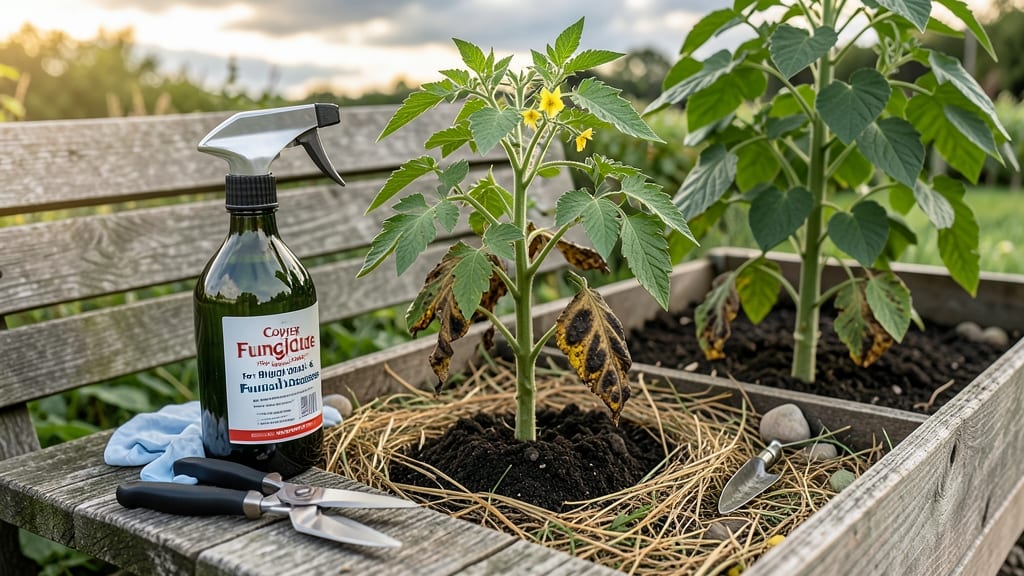
Blight on your plants feels like a death sentence—but it’s not. ✨ I’ve saved dozens of tomato plants from total collapse using a simple copper spray shield that stops the spread in its tracks, even when the leaves are already spotted.
The key is acting fast: remove infected leaves immediately, then apply a copper fungicide spray (like Bordeaux mixture or liquid copper) every 7-10 days until new growth appears. This isn’t just a bandage—it’s a shield that prevents spores from taking hold again.
I’ve seen plants bounce back within 2-3 weeks of consistent treatment, with no regrowth of blight. You’ll know it’s working when the new leaves stay crisp and green, not yellowing or wilting. The copper kills the fungus on contact while being safe for edible plants when used correctly.
Just avoid spraying in direct sunlight or when rain is forecasted. For severe cases (like late blight on potatoes), combine this with crop rotation and proper spacing next season. The goal is to break the blight’s cycle entirely—no more panic when those first brown spots appear.
Root Causes of Plant Blight
Blight isn’t just a random plant enemy—it’s often a symptom of deeper issues, whether environmental, biological, or even human-related. Understanding the why behind blight helps you tackle it effectively.
Below, we break down the most common culprits, backed by science, so you can spot the warning signs before they devastate your garden.
Blight is most famously caused by fungal pathogens, which thrive in damp, warm conditions.
Two notorious offenders are: - Late Blight (Phytophthora infestans): The infamous potato and tomato destroyer, spreading via spores in moist air. - Early Blight (Alternaria solani): Targets leaves, creating concentric brown spots that expand rapidly.
Why it happens: Fungi release spores that land on plant surfaces, germinate in moisture, and penetrate tissues through natural openings (like stomata). Once inside, they disrupt cellular function, causing necrosis (dead tissue) and stunted growth. Warm nights (60–80°F) and leaf wetness for 4+ hours create the perfect fungal buffet.
While less common than fungal blight, bacterial blights (e.g., Xanthomonas or Pseudomonas) wreak havoc by clogging plant vessels. Symptoms include:
- Water-soaked lesions
- Oozing bacterial ooze (yes, really)
- Rapid wilting
Why it happens: Bacteria hitchhike on wounds, tools, or even splashing rain to infect plants. They multiply in high humidity and spread via contaminated water or insects. Unlike fungi, bacteria don’t need spores—they’re already aggressive little germ factories.
Plants weakened by poor conditions become blight magnets. Key triggers:
- Poor Air Circulation: Dense foliage traps moisture, giving fungi a foothold.
- Overwatering: Soggy soil invites root rot and fungal growth.
- Extreme Temperatures: Sudden heat/cold shocks weaken defenses.
Why it happens: Stressed plants can’t produce enough antifungal compounds (like phytoalexins). For example, tomatoes under heat stress (above 90°F) develop sunscald, making them vulnerable to late blight. Even nutrient deficiencies (e.g., low phosphorus) impair recovery.
Blight spores linger on:
- Garden tools (pruners, trowels)
- Infected plant debris (leftovers from last season)
- Poorly composted manure (can harbor pathogens)
Why it happens: Fungi and bacteria are opportunistic. If you reuse tools without sterilizing them (bleach or 70% alcohol), you’re basically spreading an invisible infection. Even cross-contaminated soil from previous blight outbreaks can reinfect new plants.
Some insects worsen blight by:
- Damaging leaves (e.g., aphids), creating entry points for fungi.
- Spreading spores (e.g., beetles carrying Phytophthora).
Why it happens: Pests compromise plant integrity, making them susceptible to secondary infections. For instance, Japanese beetles defoliate plants, reducing their ability to photosynthesize—and stressed plants are blight’s favorite snack.
Some plant varieties are naturally prone to blight. For example:
- Heirloom tomatoes lack blight resistance.
- Certain roses are susceptible to black spot (a fungal blight).
Why it happens: Plants bred for traits like yield or color often sacrifice disease resistance. Even hybrid varieties can succumb if environmental conditions align perfectly for pathogens.
Key Takeaway: Blight rarely strikes in isolation—it’s usually a perfect storm of pathogen + stress + opportunity. The good news? Knowing these triggers helps you prevent blight before it starts. Next up: How to Stop It in Its Tracks.
How to Fix Blight Fast
Blight doesn’t stand a chance when you act quickly and strategically. Whether it’s fungal, bacterial, or environmental stress, these targeted solutions will help you reclaim your plants—plus, we’ll share smart prevention tips to keep blight from crashing the party again. Let’s roll up our sleeves and get to work!
Fungal blight thrives in damp, crowded conditions, turning leaves into sad, brown mush. Here’s how to kick it to the curb:
🔪 Step 1: Remove the Infected Parts
- Snip it out! Use clean, sharp pruners to cut off all affected leaves, stems, or fruit.
Don’t leave anything behind—fungus loves a free ride on dead plant matter. - Dispose properly: Toss infected clippings in the trash (not compost!) to prevent spores from spreading.
🌡️ Step 2: Boost Airflow & Sunlight Fungus hates dry, breezy conditions.
Give your plants a fighting chance by: - Thinning out foliage so air can circulate. - Spacing plants at least 12–18 inches apart (check seed packets for ideal spacing). - Watering at the base (not overhead) to keep leaves dry.
🛡️ Step 3: Apply Fungicide
Copper-based sprays (like the one in our featured solution) are your best friend for fungal blight. How to use it: 1. Mix it up: Follow the label—usually 1–2 tbsp per gallon of water.
- Spray thoroughly: Coat both sides of leaves, stems, and even the soil around the base. Early morning or late evening works best to avoid sunburning the plants.
- Reapply every 7–14 days or after rain, since water washes it off.
Pro Tip: 💡 Mix baking soda (1 tsp) + a few drops of dish soap + 1 quart of water for a low-cost, organic alternative. Test on a small area first!
Bacterial blight spreads like wildfire and can’t be cured—only contained. Here’s your battle plan:
🧼 Step 1: Sterilize Your Tools & Hands
- Wash tools with rubbing alcohol or a 10% bleach solution (1 part bleach to 9 parts water) before and after pruning.
- Wear gloves to avoid transferring bacteria to other plants.
🏝️ Step 2: Isolate the Plant
- Move infected plants to a separate area (or quarantine them in a greenhouse) to stop the spread.
- Avoid composting anything from the plant—bacteria can survive in soil.
🚫 Step 3: Prevent Future Outbreaks
Bacterial blight loves wounds (like insect bites or rough pruning). Protect your plants by:
- Using sharp pruners to make clean cuts.
- Avoiding overhead watering (use drip irrigation instead).
- Choosing resistant varieties (e.g., ‘Celebrity’ tomatoes for bacterial spot).
Warning: ⚠️ If your plant is severely infected, it may be best to remove it entirely to save your garden.
Sometimes blight-like symptoms appear due to heat stress, overwatering, or poor soil. Fix these issues fast:
| Problem | Fix It With… | Prevent It By… |
|---|---|---|
| Overwatering | Let soil dry between waterings; improve drainage | Use well-draining soil + pots with holes |
| Underwatering | Water deeply 1–2x/week (check soil moisture) | Mulch to retain moisture |
| Extreme Heat | Provide shade cloth (30–50%) in peak sun | Plant heat-tolerant varieties (e.g., ‘Solar Fire’ peppers) |
| Poor Soil Nutrition | Add compost or balanced fertilizer (10-10-10) | Test soil pH (aim for 6.0–7.0 for most plants) |
Pro Tip: 🌡️ Morning watering is key—it gives leaves time to dry before evening humidity sets in.
An ounce of prevention is worth a pound of cure! Lock in these habits to keep blight from returning:
- Rotate crops every 2–3 years to starve soil-borne fungi/bacteria.
- Clean up debris in fall—raking up leaves and old plants removes hiding spots for spores.
- Strengthen plants with compost tea or neem oil (1 tbsp per gallon of water) as a preventative spray.
- Monitor regularly—catch blight early (yellowing edges, brown spots) before it spreads.
Final Thought: Blight may be stubborn, but with the right tools and a little elbow grease, you can save your plants—and your sanity. Start with the fixes above, then build a blight-proof garden for next season. Your green thumbs will thank you! 🌱✨
Frequently asked questions
Can I still save my plants if blight has already spread to the fruit?
It depends on the severity. For fungal blight (like early blight on tomatoes), remove all infected fruit immediately—the spores can spread through the plant. If the fruit is only lightly spotted, you may save it by isolating the plant and applying copper spray. For bacterial blight, however, infected fruit should be discarded entirely since bacteria can't be cured.
How often should I apply copper spray to prevent blight?
Apply copper fungicide every 7-10 days during peak growing seasons (spring to early fall) when humidity is high. For prevention, two applications—one at planting and another when plants are half-grown—can significantly reduce risk. Always reapply after heavy rain since water washes it off leaves. Store-bought sprays typically last 1-2 weeks before needing renewal.
Will baking soda really work against blight?
Yes! A mix of 1 teaspoon baking soda + 1/2 teaspoon dish soap + 1 quart water creates a mild fungicide that disrupts fungal spores. Test on a small leaf first—some plants (like roses) may be sensitive. Reapply every 7-14 days during damp weather. While not as strong as copper, it's a great organic first line of defense for early-stage blight.
Can I use the same pruners on healthy plants after cutting blight-infected ones?
Never! Sterilize tools between plants using 70% rubbing alcohol or a 10% bleach solution (1 part bleach to 9 parts water). Fungal and bacterial spores can survive on tools for weeks. For severe outbreaks, consider using disposable pruners or dedicating a pair solely to infected plants.
Why does blight keep coming back even after I treat it?
Blight often returns due to three common mistakes:
- Not removing all infected plant debris (spores survive in soil),
- Overcrowding plants (poor airflow), or
- Skipping preventive sprays. The solution? Crop rotation, proper spacing, and consistent fungicide applications. Even after treatment, monitor plants daily for new spots—early detection is key!