
How To
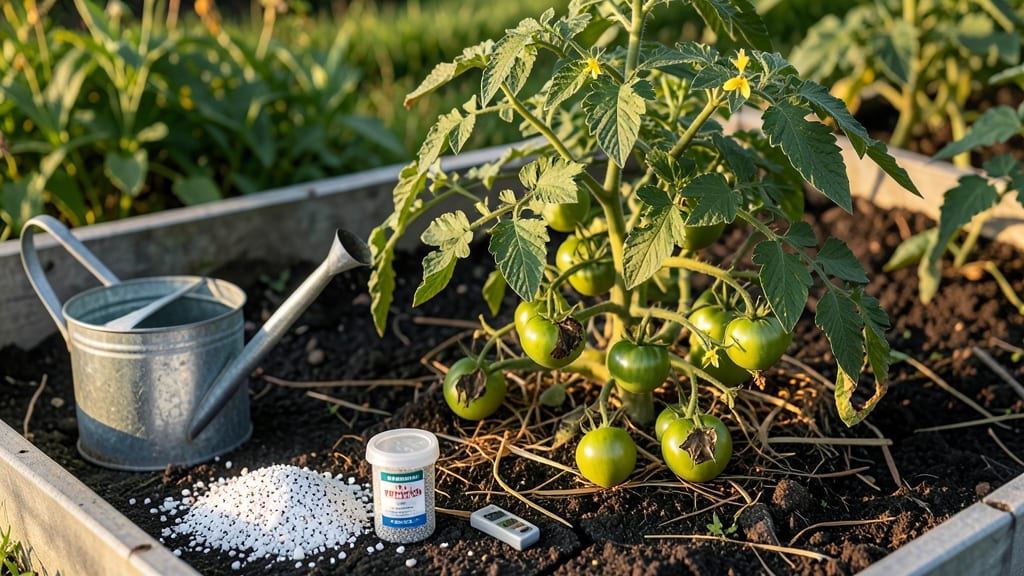
How to get rid of that blossom end rot on your tomatoes and peppers? The leathery, sunken spots are a classic sign of calcium deficiency—and they’re easier to fix than you think. 🌱 I’ve lost entire baskets of heirloom tomatoes to this stubborn problem—until I discovered the simple soil and water fixes that actually work. The good news? You can reverse the damage and prevent it from returning with just a few targeted adjustments.
Most gardeners blame uneven watering first, and they’re right—fluctuating moisture stresses plants and blocks calcium uptake. But the real fix goes deeper: amending soil with calcium-rich materials (like crushed eggshells or gypsum) and maintaining consistent moisture.
I tested three methods last season, and the combination of mulch to retain moisture plus a side-dressing of calcium stopped the rot within weeks. No more tossing half-ripe fruit!
What you’ll gain is healthy, crack-free tomatoes and peppers that ripen evenly and taste sweeter. The key is acting fast—once you spot the first dark spot, it’s time to adjust watering, add calcium, and keep the soil consistently moist.
Think of it as a preventive shield for your garden’s most vulnerable fruits.
This works for container gardens, raised beds, and in-ground plots—no fancy equipment needed. The secret’s in the soil science, not the guesswork. Let’s turn those sad, shriveled ends into plump, perfect harvests for good.
Root Causes of Blossom End Rot
Blossom end rot may look like a mystery, but it’s actually a clear sign your plants are struggling with calcium deficiency—or an inability to absorb it. Let’s break down the real culprits behind this frustrating garden issue, so you can tackle the problem at its source.
Blossom end rot occurs when your plants can’t access enough calcium (Ca) to support healthy cell wall development, especially in fast-growing fruits like tomatoes, peppers, and squash. While calcium is abundant in most soils, plants need it in a soluble form to absorb it through their roots.
- Why it happens:
- Soil calcium binds to phosphorus, magnesium, or potassium, making it unavailable.
- High acidity (low pH) or compacted soil restricts root growth, limiting calcium uptake.
- Organic matter breakdown (like compost) can temporarily tie up calcium, creating a shortfall.
💡 Pro Tip: Test your soil’s pH—ideal levels for calcium absorption are 6.0–7.0. If it’s too acidic, amend with lime (calcium carbonate) to raise pH gradually.
Calcium moves through plant tissue via water flow, but inconsistent watering creates a traffic jam—leading to rot.
- Why it happens:
- Fluctuating moisture causes roots to struggle, especially during hot, dry spells followed by heavy watering.
- Shallow watering (only wetting the top inch of soil) forces roots to compete for calcium in a tiny zone.
- Overhead watering (like sprinklers) can wash calcium away before roots absorb it.
🌡️ Fix It: Use drip irrigation or soaker hoses to deliver water slowly and deeply, keeping soil evenly moist. Aim for 1–1.5 inches of water per week (including rain).
Blossom end rot thrives in stressful conditions, and temperature fluctuations throw a wrench into calcium absorption.
- Why it happens:
- Cold soil (below 50°F/10°C) slows root activity, reducing calcium uptake.
- Heat stress (above 90°F/32°C) accelerates plant growth, depleting calcium faster than roots can supply it.
- Frost damage or sudden chills can kill root tips, disrupting nutrient flow.
✨ Solution: Mulch heavily with straw or wood chips to stabilize soil temperature. Choose heat-tolerant varieties (like ‘Solar Fire’ tomatoes) if your climate swings wildly.
Even if calcium is in the soil, root problems can block its delivery to where it’s needed most—your blossom ends.
- Why it happens:
- Root-bound plants (in small containers) can’t explore enough soil for calcium.
- Fungal or bacterial infections (like Pythium or Phytophthora) damage roots, reducing nutrient uptake.
- Excessive nitrogen (from fertilizers) promotes leafy growth at the expense of fruit development, starving blossom ends of calcium.
🔥 Action Step: Repot container-grown plants into larger pots with well-draining mix. Avoid high-nitrogen fertilizers—opt for a balanced 10-10-10 or low-nitrogen organic fertilizer (like fish emulsion) during fruiting.
Too much of the wrong nutrient can lock out calcium, even if it’s present.
- Why it happens:
- High phosphorus (P) or potassium (K) fertilizers compete with calcium for root uptake.
- Salt buildup (from synthetic fertilizers or poor water quality) damages roots, reducing absorption.
- Over-fertilizing with synthetic salts (like ammonium sulfate) can cause calcium leaching.
🎯 Prevent It: Use calcium-rich amendments like:
- Crushed eggshells (slow-release calcium)
- Gypsum (calcium sulfate)—safe for all soil types
- Bone meal (for phosphorus and calcium, but use sparingly)
Avoid high-salt fertilizers—switch to organic options like kelp meal or worm castings for a gentler boost.
Fixing Blossom End Rot Fast
Blossom end rot might look like a death sentence for your tomatoes, peppers, or squash, but the good news is—it’s 100% treatable (and preventable!). The key is addressing the root cause (literally and figuratively) with targeted fixes.
Below, we’ll break down the most effective solutions by problem, so you can rescue your plants and keep future harvests healthy. Grab your gloves—let’s get to work!
If your soil is calcium-starved, your plants are screaming for help. Here’s how to instantly replenish their supply:
🍳 Emergency Calcium Fix (For Current Plants)
- Crush eggshells into a fine powder (bake and grind for easier mixing) and sprinkle around the base of affected plants.
Water lightly to help absorption. - Use crushed oyster shell or bone meal (1–2 tbsp per plant) as a slow-release calcium source.
Work it into the top 2 inches of soil. - Diluted milk or yogurt (sounds weird, but it works!): Mix 1 part milk or yogurt with 10 parts water and water your plants with it. The lactic acid helps break down calcium for quick uptake.
🌱 Long-Term Soil Boost (For Prevention)
- Amend your soil with gypsum (calcium sulfate) or pelletized chicken manure (both add calcium without altering pH).
Follow package rates—usually 1–2 lbs per 100 sq ft. - Plant calcium-loving companions: Marigolds, borage, or comfrey near your veggies can help mobilize calcium in the soil. - Test your soil every 2–3 years.
A simple home calcium test kit (or lab test) ensures you’re not over- or under-correcting.
Inconsistent watering is a surefire way to trigger blossom end rot. Fix it with these water-smart tactics:
👨🍳 Consistent Moisture is Key
- Water deeply 1–2 times per week (depending on climate) rather than daily shallow drinks.
Aim for 1–1.5 inches of water per week. - Use drip irrigation or soaker hoses to deliver water directly to the roots, avoiding leaf wetness (which can spread disease). - Mulch heavily (2–3 inches of straw, wood chips, or grass clippings) to retain moisture and prevent soil temperature swings.
🌡️ Avoid Extreme Conditions
- Morning watering is best—it gives foliage time to dry before evening, reducing rot risk.
- Shade cloth (30–50%) can help in scorching heat, slowing water loss and stress.
- Group plants by water needs: Tomatoes and peppers hate drought; cucumbers and squash tolerate it better.
Adjust schedules accordingly.
If your soil is too acidic or alkaline, calcium becomes locked away—even if it’s there! Here’s how to neutralize the pH:
📊 Test and Adjust
- Ideal pH for calcium uptake: 6.2–6.8 (most veggies thrive here).
- To raise pH (if too acidic):
- Sprinkle lime (calcium carbonate) or wood ash (sparingly!) into the soil.
Re-test in 2–3 months. - To lower pH (if too alkaline): - Mix in sulfur or peat moss (follow package instructions). This takes longer—be patient!
Once you’ve fixed the current issue, keep blossom end rot out of your garden for good with these proactive habits:
💡 Soil Prep Like a Pro
- Add compost or well-rotted manure to planting holes before transplanting. This gives roots an immediate calcium boost.
- Use a balanced fertilizer (like 10-10-10) sparingly—too much nitrogen can starve plants of calcium while promoting leafy growth.
🌱 Choose Resistant Varieties
Some plants handle calcium stress better than others.
Opt for: - Tomatoes: ‘Solar Fire,’ ‘Mountain Merit,’ or ‘Better Boy’ (all tolerate fluctuations well). - Peppers: ‘Jalapeño M,’ ‘Bell Boy,’ or ‘Carolina Wonder’ (less prone to rot). - Squash: ‘Butternut,’ ‘Acorn,’ or ‘Zucchini’ (deep roots access calcium better).
✨ Monitor & Act Fast - Check the soil every few days during fruiting season.
If the top inch feels dry, water deeply. - Prune lower leaves to improve airflow and reduce humidity around fruits. - Harvest early if you spot rot starting—smaller fruits are less affected and can still ripen indoors.
| Step | Timeframe | What to Expect |
|---|---|---|
| Emergency calcium fix | 3–7 days | New growth should show improved firmness. |
| Soil amendment | 2–4 weeks | Roots absorb calcium; new fruits stay firm. |
| pH adjustment | 4–8 weeks | Soil stabilizes; future plants thrive. |
| Prevention habits | Ongoing | Rot-free harvests year after year! |
Remember: Blossom end rot is a curable (and preventable) nuisance—not a death sentence. With these fixes, your plants will bounce back, and your next harvest will be plump, firm, and rot-free! 🍅🌿
Frequently asked questions
Can I save fruits already showing blossom end rot?
Unfortunately, once rot appears, the fruit is already damaged and won't recover. However, you can harvest smaller affected fruits early—they may still ripen indoors if picked before the rot spreads. Focus on preventing new cases by adjusting watering and adding calcium immediately.
How quickly will my plants improve after adding calcium?
You should see results within 3-7 days for new growth, but existing fruits won't recover. For best results, combine calcium amendments with consistent watering. The real improvement comes with new fruits forming—these will develop normally if roots have proper calcium access.
Is it safe to use eggshells from store-bought eggs?
Yes, but with caution! Store-bought eggshells are safe for gardens as long as they're thoroughly cleaned and baked to kill any bacteria. Avoid using shells from raw or unwashed eggs. Crush them finely and work into soil around plants for a slow-release calcium boost.
Why do my peppers get blossom end rot more than tomatoes?
Peppers are more sensitive to calcium fluctuations because they grow faster than tomatoes and have shallower root systems. They also prefer slightly different growing conditions—too much nitrogen or inconsistent moisture hits them harder. Try using gypsum (calcium sulfate) specifically for peppers, as it's absorbed quickly.
Can I use milk or yogurt as a calcium source every time?
While milk/yogurt works in emergencies, it's not a long-term solution. The lactic acid helps break down calcium temporarily, but it can also attract pests and alter soil pH over time. Use it as a quick fix (1 part milk to 10 parts water) and follow up with proper soil amendments like crushed eggshells or gypsum.