
Pests
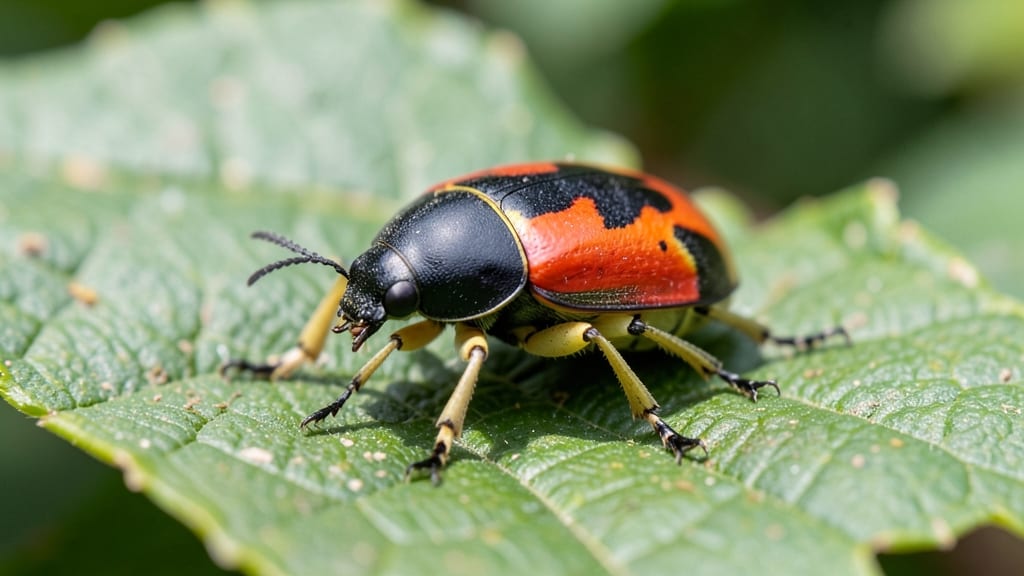
How to get rid of boxelder bugs permanently—those shield-shaped pests that turn your home into their winter retreat. 🌿 I’ve battled these uninvited guests for years, and the heat treatment method finally gave me the permanent win I needed—no more clusters on windows or crawling across floors. The key isn’t just killing the adults but wiping out eggs and nymphs too. Most sprays miss the hidden life stages, but heat forces them out of hiding. You’ll need a space heater, plastic sheeting, and patience—about 30 minutes of targeted warmth does the trick, and it’s safer than chemicals for pets and kids. By late summer, you’ll spot them clustering on boxelder trees. That’s your cue to seal cracks, prune infested branches, and set up barriers before they even think about migrating. The goal? Make your home and yard completely unwelcoming. This works year-round, but timing matters most in fall and spring when they’re most vulnerable. Let’s make your space boxelder-bug-free for good.
The Hidden Triggers Behind Boxelder Bugs
Boxelder bugs—those shiny, black-and-red invaders—don’t just appear out of nowhere. Their presence in your home is usually a sign of deeper ecological and environmental factors at play. Understanding why they show up is the first step to stopping them for good. Let’s break down the science behind their unwelcome visits.
Boxelder bugs (Boisea trivittata) have a symbiotic relationship with boxelder trees (Acer negundo), which are native to North America. These trees produce seeds that the bugs feed on during warmer months. Here’s how it works:
- Seed Feeding: Adults and nymphs pierce boxelder seeds to suck out the nutrients, making the tree their primary food source.
- Tree Stress: Weak, diseased, or drought-stressed boxelder trees release more volatile organic compounds (VOCs), which attract boxelder bugs in larger numbers.
- Overpopulation: A single female can lay up to 500 eggs in tree bark crevices. If boxelder trees are abundant in your area, you’re likely to see a surge in bugs seeking shelter.
Actionable Insight: If you have boxelder trees on your property, their health directly impacts your bug problem. Pruning dead branches and keeping trees hydrated can reduce their appeal—but it won’t eliminate the issue entirely.
Boxelder bugs are cold-intolerant and rely on aggregation behavior to survive harsh winters. Here’s their survival strategy:
- Temperature Cues: As temperatures drop below 50°F (10°C), bugs release pheromones to signal others, triggering a mass migration toward warm structures.
- Building Weaknesses: They exploit gaps in siding, window frames, and foundation cracks—anywhere they can slip in undetected. Seals as small as 1/16 inch are fair game.
- Hibernation Hotspots: Once inside, they cluster in sunlit, insulated areas like attics, wall voids, and even behind peeling paint. These spots can stay 10–15°F warmer than outside temps, extending their survival.
Why It Matters: If your home has even minor entry points, it becomes a bug hotel during fall and winter. Their goal? To overwinter and emerge next spring to repeat the cycle.
Boxelder bugs thrive in moderate climates with distinct seasons, but global warming and erratic weather patterns are worsening the problem. Key factors include:
| Factor | Impact on Boxelder Bugs |
|---|---|
| Milder Winters | Fewer bugs die off, leading to larger surviving populations the following year. |
| Early Springs | Bugs emerge earlier and have more time to reproduce before cold snaps. |
| Heavy Rains | Washes away natural predators (like birds and spiders), reducing competition for food. |
| Drought Stress on Trees | Stressed trees produce more attractive seeds, drawing bugs in droves. |
Pro Tip: 🌡️ If your region has seen unusually warm falls, expect a bigger infestation the next year. Monitoring local weather trends can help you predict and prepare for outbreaks.
In a healthy ecosystem, boxelder bugs face multiple predators that keep their numbers in check. However, human activity often disrupts this balance:
- Pesticide Overuse: Broad-spectrum insecticides kill both boxelder bugs and their natural enemies (e.g., ladybugs, spiders, and parasitic wasps), leaving bugs unchecked.
- Urbanization: Removing green spaces and native plants reduces predator habitats, giving boxelder bugs a competitive edge.
- Climate Disruption: Shifts in bird migration patterns (due to warming) mean fewer birds are around to eat boxelder bugs during their vulnerable nymph stages.
Key Takeaway: While you can’t control the entire ecosystem, avoiding harsh pesticides and preserving some native plants can indirectly help reduce their numbers over time.
Permanent Fixes for Boxelder Bugs
Boxelder bugs can be a stubborn nuisance, but with the right strategies, you can eliminate them for good. Below are targeted solutions based on the root causes of infestations, from sealing entry points to heat treatments that kill all life stages—including eggs, nymphs, and adults.
Boxelder bugs sneak in through tiny cracks, gaps, and weak spots in your home’s exterior. Prevent future invasions by sealing these entryways before they become a problem.
- 🔧 Inspect your home’s foundation – Use caulk or weatherstripping to seal gaps around windows, doors, and utility lines (like pipes and cables). - 🪟 Check vents and chimneys – Install fine mesh screens to block bugs while allowing airflow. - 🌳 Trim nearby trees – Boxelder bugs thrive on boxelder, maple, and ash trees.
Trim branches that touch your roof or walls to reduce their access. - 🚪 Inspect outdoor furniture and storage – Bugs hide in piles of leaves, mulch, or firewood. Store these items away from your home’s foundation.
Pro Tip: 💡 Perform a nighttime flashlight check—boxelder bugs are slow-moving and easy to spot when they’re clustering near entry points.
If you prefer chemical-free solutions, these natural repellents can deter boxelder bugs without harming your family or pets.
- 🌿 Essential oil spray – Mix peppermint, citrus, or tea tree oil (10-15 drops per cup of water) in a spray bottle. Apply around windows, doors, and entry points. Reapply every few days. - 🌶️ Cayenne pepper barrier – Sprinkle cayenne pepper around your home’s perimeter.
The capsaicin irritates their exoskeletons, making them avoid the area. - 🍋 Citrus peels – Scatter dried orange or lemon peels near entry points. The strong scent repels them naturally. - 🌱 Diatomaceous earth (DE) – Sprinkle food-grade DE in thin layers along baseboards, window sills, and outdoor entry points.
It dehydrates bugs on contact but is safe for humans and pets once settled.
⚠️ Warning: Avoid using bleach or ammonia—these can be toxic indoors and won’t effectively repel boxelder bugs.
For a permanent solution, heat treatment is the gold standard. Boxelder bugs cannot survive temperatures above 115°F (46°C), making heat the only method that kills all life stages—including hidden eggs and nymphs.
🔥 How to Apply Heat Treatment (DIY or Professional)
| Method | Steps | Effectiveness |
|---|---|---|
| 🔥 Space Heater Method | - Place a high-wattage space heater (1,500W+) near infested areas. - Run it for 4-6 hours to reach 115°F+ in enclosed spaces. - Monitor with a thermometer to ensure lethal temps. | ⭐⭐⭐ (Good for small, contained areas) |
| 🔥 Hair Dryer (For Cracks) | - Use a high-heat hair dryer to blast cracks, baseboards, and crevices. - Hold 2-3 inches away for 5-10 minutes per spot. | ⭐⭐ (Best for tiny gaps, not large infestations) |
| 🔥 Professional Heat Chamber | - Hire a pest control expert to use a portable heat chamber (120°F+ for 4+ hours). - Kills bugs in walls, attics, and crawl spaces without chemicals. | ⭐⭐⭐⭐⭐ (Best for severe infestations) |
⏰ Timing Matters: Apply heat treatment before winter when bugs seek shelter, or after they emerge in spring to catch hatching nymphs.
💡 Pro Tip: 🌡️ Use a laser thermometer to confirm temperatures reach 115°F+—below this, some bugs may survive.
If you’re dealing with a small infestation, manual removal can help reduce numbers before applying long-term solutions.
- 🪟 Vacuum them up – Use a shop vac or cordless vacuum to suck up bugs from walls, ceilings, and windows. Dispose of the bag immediately in an outdoor trash bin.
- 🧽 Seal them in a jar – If you spot clusters, drop them in soapy water (the soap breaks their protective shell) or seal them in a jar and release them far from your home.
- 🧴 Avoid squashing them – Crushed boxelder bugs release a foul odor that can stain surfaces.
✨ Bonus: Place double-sided tape or sticky traps near windows and doors to catch stragglers.
Once you’ve eliminated the bugs, keep them from returning with these proactive steps:
- 🌳 Remove boxelder trees – If possible, replace them with bug-resistant trees like oak, pine, or fruit trees.
- 🪓 Prune trees away from your home – Keep branches at least 10 feet away from your roof and walls.
- 🔦 Install yellow bug lights – Boxelder bugs are attracted to UV light, so switch to yellow bug lights or motion-activated LEDs.
- 🏡 Seal outdoor gaps – Check siding, eaves, and foundation vents for cracks and reseal them annually.
- 📅 Schedule seasonal inspections – Before fall and spring, inspect your home for early signs of bugs.
🎯 Final Tip: If boxelder bugs keep coming back, combine heat treatment with prevention—this two-step approach ensures they never establish a new colony in your home.
⚠️ When to Call a Professional: If you’ve tried sealing, heat treatment, and manual removal but still see bugs, it’s time to call a pest control expert. They can perform deep heat treatments in walls and attics or apply targeted insect growth regulators (IGRs)** to prevent future generations.
Frequently asked questions
Why do boxelder bugs keep coming back after I treat them?
These pests have a two-phase life cycle: they feed on boxelder trees in summer and overwinter in your home. If you only kill adults but miss hidden eggs or nymphs, new generations will emerge. The heat treatment method (115°F+) is the only way to eliminate all life stages permanently.
Are boxelder bugs dangerous or harmful?
They’re mostly a nuisance—they don’t bite, carry diseases, or damage structures. However, their foul odor when crushed can stain surfaces, and large clusters may indicate structural vulnerabilities in your home. Focus on exclusion (sealing gaps) to prevent future invasions.
Can I use pesticides to get rid of boxelder bugs permanently?
Most over-the-counter sprays only kill visible bugs, not eggs or nymphs hiding in walls. Chemical resistance is also a growing issue. For permanent results, combine heat treatment with sealing entry points—this two-step approach disrupts their entire life cycle.
What’s the best time of year to treat boxelder bugs?
Target treatments in late summer/early fall (before they migrate indoors) or late winter/early spring (when they’re most vulnerable). Heat treatments work best when bugs are clustered—avoid treating during peak summer activity when they’re spread across trees.
Will removing boxelder trees eliminate my bug problem?
It helps significantly, but nearby infested trees (like maples or ashes) can still attract them. For complete elimination, combine tree removal with home sealing and seasonal heat treatments—this creates a multi-layered defense against reinfestation.