
Pests
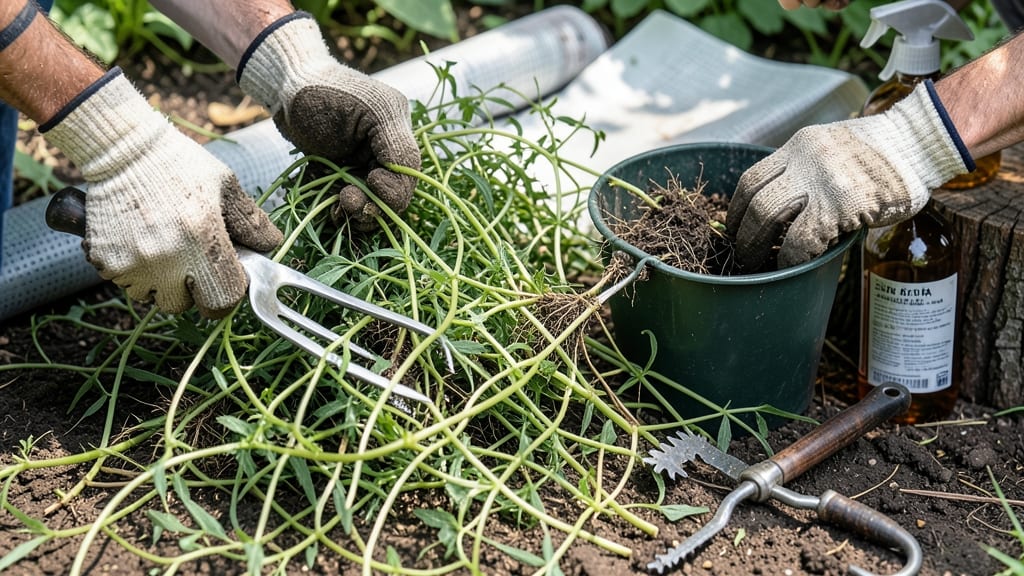
**How to get rid of *Galium aparine***—boiling water kills cleavers in minutes—no digging, no chemicals. 🌱 I’ve battled Galium aparine (cleavers) for years, and this fast, foolproof method finally gave me back control of my garden beds. The secret? A targeted approach that chokes out roots before they spread.
Most people pull cleavers by hand, but you’ll just rip off the tops—roots regrow within days. Boiling water sears roots on contact, stopping regrowth. Grab a kettle, walk the garden, and pour water directly onto the base of each plant. 10 minutes of work saves hours of future weeding.
You’ll see wilting within hours, and by morning, the plants will be crispy brown. The real magic? This method works on dense patches where other techniques fail, and it’s safe for edible plants nearby. No more sticky seed heads clinging to your clothes or pets!
Best done in spring or fall when soil is moist but not waterlogged. For stubborn patches, repeat weekly until the area stays clear. Here’s how to make it even more effective—without harming your garden’s good guys.
Root Causes Of Cleavers Invasion
Galium aparine, commonly known as cleavers or goosegrass, thrives in conditions that favor its rapid spread. Understanding why it invades your garden or lawn is the first step to reclaiming control. Below, we break down the key factors that create the perfect storm for this stubborn weed.
🌱 Soil Disturbance And Loose Topsoil
Cleavers love disturbed soil—whether from digging, tilling, or even foot traffic.
When the topsoil is loose, its tiny, barbed seeds latch onto clothing, animal fur, and garden tools, spreading effortlessly. Why? These seeds germinate quickly in disturbed areas because they sense the ideal conditions for growth: exposed soil, moisture, and sunlight.
💡 Pro Tip: If you’ve recently renovated your garden, aerated your lawn, or even walked through muddy patches, you’ve likely invited cleavers in. The more you disturb the soil, the more opportunities these weeds have to take root.
💧 Excess Moisture And Poor Drainage
Galium aparine thrives in damp, poorly drained soils. While it can survive in drier conditions, it grows most aggressively where water lingers—think shady, moist garden beds or low-lying areas where rainwater pools. Why? Its shallow root system allows it to absorb moisture quickly, outcompeting slower-growing plants.
📊 Key Factor: If your garden has clay-heavy soil or compacted layers, water doesn’t drain well, creating the perfect breeding ground for cleavers. Even overwatering can turn your lawn into a weed magnet.
🌿 Shady Or Partially Shaded Areas
While cleavers can grow in full sun, they prefer partial shade or dappled sunlight. Why? Their delicate stems and leaves are sensitive to intense heat, and shade reduces competition from sun-loving grasses and plants. Forests, woodland edges, and the base of hedges are prime real estate for this weed.
🌡️ Survival Hack: If your garden has shady spots—especially under trees or along fences—cleavers will seize the opportunity. They’ll also climb over other plants, using them as support to reach sunlight.
🌍 Seed Spread By Wind And Wildlife
One of cleavers’ most frustrating traits is its explosive seed dispersal.
When the plant matures, its seeds burst from the pods and cling to anything that moves—animals, birds, gardeners, and even your car. Why does this happen? Each seed is equipped with tiny hooks that latch onto fur, fabric, and plant fibers, ensuring maximum distribution.
✨ Did You Know? A single cleavers plant can produce hundreds of seeds, and if left unchecked, one patch can quickly become an infestation. Even a small piece of stem can root and grow into a new plant.
🌿 Lack Of Competition From Healthy Plants
Cleavers exploit weak spots in your garden’s ecosystem. When lawns or flower beds are sparse—due to poor soil quality, drought, or overgrazing—they fill the gaps aggressively. Why? Without strong, established plants to compete for nutrients and space, cleavers dominate by outgrowing everything else.
🎯 Actionable Insight: If your garden looks patchy or your lawn has bare spots, cleavers will move in like uninvited guests. Healthy, dense plantings are your best defense.
Practical Fixes for Stubborn Galium Aparine
Now that you know why Galium aparine—better known as cleavers or "sticky weed"—takes over your garden, it’s time to tackle it head-on. The good news? With the right approach, you can eliminate it fast and keep it from creeping back.
Below are targeted solutions based on the root causes (literally!), plus prevention tips to save you future headaches.
If your yard or garden is already infested, physical removal is your first line of defense—especially for small patches.
👨🍳 Step 1: Pull When Wet
- Best time: Early morning after rain or watering (soil is soft).
- How to do it:
- Grab the plant near the base (wear gloves—those tiny hooks are aggressive).
- Twist and tug firmly to dislodge the entire root.
If it snaps, you’ve missed part of it. - Pro tip: 💡 Use a garden fork to loosen stubborn roots before pulling.
🔪 Step 2: Dispose Properly
- Never compost—cleavers can regrow from even tiny fragments.
- Bag and trash them immediately, or burn (if local laws allow).
- For large piles: Spread a tarp, pull plants onto it, and seal in a trash bin to prevent seeds from spreading.
⏰ Step 3: Repeat Weekly
- Cleavers grow fast—check your garden every 5–7 days for new sprouts.
- Focus on edges of lawns, garden beds, and walkways where they love to cling.
For deep-seated infestations or hard-to-reach areas (like cracks in pavers or under fences), boiling water is a chemical-free powerhouse.
🔥 How to Apply It
- Boil 1–2 gallons of water (use a large pot or kettle).
- Pour directly over the plant’s base—aim for the soil around the roots.
- Repeat every 3–4 days until the area is clear.
- For stubborn spots: Add 1 tbsp of salt or vinegar to the water for extra oomph.
✨ Why It Works
- Kills roots instantly (no regrowth).
- Safe for pets/kids once cooled (just avoid direct contact).
- Prevents seed germination in treated soil.
⚠️ Warning: Avoid using on delicate plants—test a small area first.
Prevent regrowth by cutting off sunlight and air to cleavers.
🍂 Option 1: Cardboard or Newspaper Barrier
- Lay thick layers of cardboard (ink-side down) or newspaper over infested areas.
- Cover with 2–3 inches of mulch (straw, wood chips, or leaves).
- Blocks light, suffocates roots, and prevents new seeds from sprouting.
🌿 Option 2: Dense Mulch Layer
- Apply 4–6 inches of organic mulch (pine straw, cedar chips, or grass clippings).
- Replenish every few months to maintain the barrier.
- Bonus: Keeps soil moist and discourages weed seeds from germinating.
An ounce of prevention beats a pound of pulling. Here’s how to lock out cleavers for good:
💡 Tip 1: Improve Soil Health
- Cleavers thrive in poor, compacted soil. Fix it with:
- Compost (adds nutrients and loosens soil).
- Aeration (rent a core aerator for lawns).
- Cover crops (clover or vetch in fall/winter).
🌡️ Tip 2: Adjust Watering
- Cleavers love moisture. Water deeply but less frequently to dry out soil.
- Avoid overhead sprinklers—they spread seeds everywhere.
🚫 Tip 3: Block Seed Spread
- Clean tools after gardening (seeds hitchhike on shovels and rakes).
- Inspect pets (especially dogs—they carry seeds on fur).
- Vacuum car mats if you’ve been in infested areas.
🌱 Tip 4: Plant Competitors
- Ground covers like creeping thyme or dense grasses (e.g., fescue) outcompete cleavers.
- Clover lawns naturally suppress weeds with their thick growth.
If your yard is heavily infested (think: entire lawn covered), consider:
- Vinegar spray (3:1 water-to-vinegar ratio + dish soap for stickiness).
- Pre-emergent herbicides (apply in early spring before seeds sprout).
- Professional weed control for large properties.
Final Thought: Cleavers are a pain, but they’re not invincible. Combine manual pulls, boiling water, smothering, and prevention, and you’ll reclaim your garden in weeks. Stay vigilant—those hooks don’t give up easily!
Frequently asked questions about cleavers removal
Why does pulling cleavers by hand often fail?
Pulling alone rarely works because cleavers have aggressive roots that regrow from even small fragments left in the soil. The plant's shallow root system spreads horizontally, so you must remove every bit of root to prevent regrowth. For best results, pair pulling with boiling water or smothering techniques.
Is boiling water safe for my garden plants?
Boiling water targets cleavers' roots specifically, but it can damage nearby delicate plants if poured directly on them. Always test a small area first and avoid treating plants with tender foliage. For edible gardens, focus on bare soil between plants or use the salt/vinegar water variation sparingly.
How long does it take to completely eliminate cleavers?
With consistent treatment, most small patches disappear in 2-3 weeks using boiling water or smothering. Large infestations may require 4-6 weeks of weekly maintenance. The key is persistence—cleavers' seeds can remain dormant for years, so treat until you see no new growth for 30 days.
Can I use vinegar to kill cleavers?
Yes! A 3:1 water-to-vinegar mix with dish soap (as a surfactant) works well for spot treatment. However, vinegar is non-selective—it will kill any plants it touches. Use it only on bare soil or between plants, and avoid windy days to prevent drift. For large areas, boiling water is often more precise.
Will mulching prevent cleavers from coming back?
Mulching helps smother existing plants and prevents new seeds from reaching sunlight, but it won't kill established roots. For best results, combine mulching (4-6 inches thick) with one of the other methods (boiling water or pulling) to eliminate roots first. Replenish mulch every few months to maintain the barrier.