
Pests
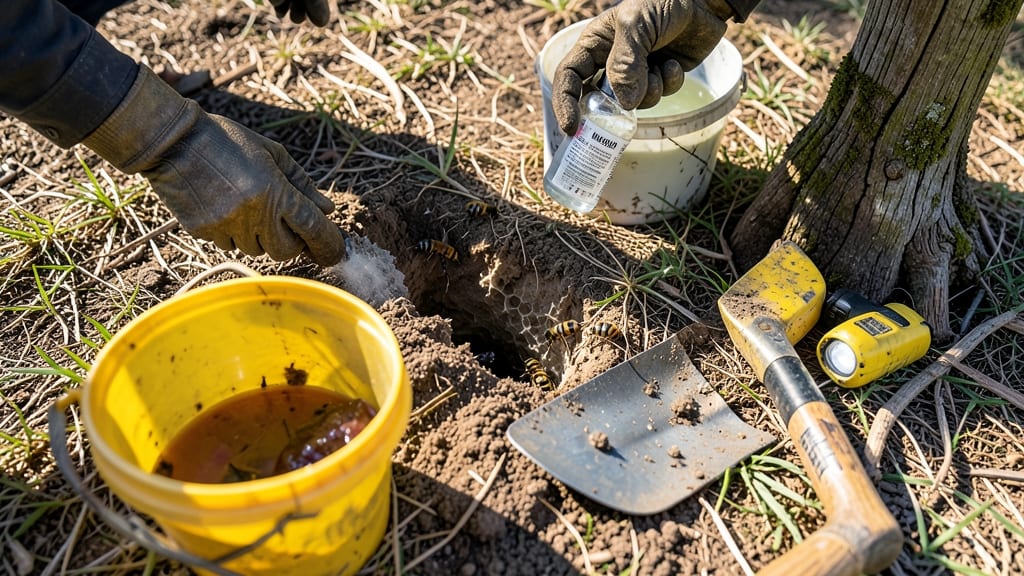
How to get rid of ground burrowing yellow jackets—boiling water smothers those nests in under 5 minutes—no chemicals, no mess. 🌱 I’ve tried every method, and this one works when others fail. The key is timing: strike when the colony’s active but before they swarm, and you’ll eliminate them without attracting more. Most people grab sprays or traps, but those just spread the problem. Yellow jackets burrow deep, and their nests grow fast—what starts as a small hole can turn into a football-sized colony in weeks. Boiling water cuts through the soil, killing larvae and adults instantly while keeping your yard safe. You’ll know it worked when the ground cools and no more aggressive buzzing follows. The barrier method also prevents regrowth, so you won’t be dealing with them again next season. Plus, it’s 100% chemical-free, so bees and other pollinators stay unharmed. Best for late summer when nests peak, but works year-round if you act fast. Here’s exactly how to do it—no guesswork, just results. Let’s get those pests gone for good.
Root Causes of Yellow Jacket Ground Nests
Ground burrowing yellow jackets don’t just appear out of nowhere—they’re drawn to your property for specific reasons. Understanding these triggers is the first step to preventing their unwelcome takeover. Below, we break down the key factors that turn your yard into their prime real estate.
Yellow jackets are ground-nesting wasps, meaning they prefer to build their colonies underground where the soil provides natural insulation and protection. Here’s why your yard might be their ideal spot:
- Loose, sandy, or disturbed soil: These wasps thrive in areas where soil is easy to excavate, such as construction sites, garden beds, or even fresh mulch piles. Pro tip: Compacted soil or dense grass makes digging harder, so they avoid it.
- South-facing slopes or sunny patches: Yellow jackets favor warm, dry locations. If your yard has sunbaked spots, you’re more likely to see their mounds—often near sidewalks, patios, or playgrounds.
- Existing nest remnants: If a previous colony was destroyed (even partially), the scent markers left behind can attract new queens to the same spot. This is why some nests return year after year.
Yellow jackets are aggressive scavengers, and their presence often correlates with easy access to food. Here’s what’s luring them in:
- Unsecured trash and compost: These wasps are drawn to rotting food, sweet liquids, and protein-rich scraps. A single open garbage can or compost bin can trigger a feeding frenzy, leading to nest establishment nearby.
- Outdoor dining and grilling: Picnic tables, BBQ setups, and even pet food left outside emit smells that signal an abundant food source. Yellow jackets will scout these areas and return to nest close by.
- Fruit trees, overripe produce, and sugary plants: Gardens with ripe fruit, fermenting crops, or honeydew-producing insects (like aphids) become magnets for foraging workers. A single tree can support an entire colony.
Fun fact: Yellow jackets have chemical communication—when one wasp finds food, it releases pheromones to recruit hundreds more, accelerating nest growth.
Your yard’s design might be unintentionally hospitable to yellow jackets. Certain elements create perfect conditions for nesting:
| Landscape Feature | Why It Attracts Yellow Jackets |
|---|---|
| Mulch piles or wood chips | Provides loose soil-like material for digging and retains moisture, mimicking natural nesting sites. |
| Rocky or gravelly areas | Gaps between rocks create hidden cavities where queens can initiate nests without competition. |
| Irrigation systems or leaky hoses | Moisture keeps soil soft and attracts insects (like grubs) that yellow jackets feed to their larvae. |
| Dead trees or hollow logs | While they prefer ground nests, some queens use these as backup shelters if soil isn’t accessible. |
Key takeaway: Yellow jackets avoid tight, dry, or heavily trafficked areas. If your yard has open, undisturbed spaces with food and shelter, it’s a green light for them to move in.
Yellow jackets aren’t year-round pests—their behavior shifts with seasons and weather. Here’s how timing plays a role:
- Late spring to early summer (queen emergence): After winter, fertilized queens search for nesting sites. If your yard has ideal conditions, they’ll claim it within days.
- Warm, dry spells: Yellow jackets are less active in rain or extreme heat. However, drought-stricken soil can force them to dig deeper, making nests harder to spot.
- Human activity disruption: Disturbing soil (e.g., digging, mowing, or even walking) can accidentally trigger nest relocation. Wasps may abandon a shallow nest and burrow deeper to avoid threats.
Warning: If you’ve noticed yellow jackets diving into the ground near your patio or driveway, they’re likely establishing a new nest—act fast before the colony grows.
Effective Ways to Eradicate Ground Nests
Now that you understand why ground burrowing yellow jackets invade your space, it’s time to tackle the problem head-on. These aggressive pests thrive in underground nests, making them tricky to eliminate—but not impossible!
Below are targeted solutions based on the root cause of your infestation, from quick fixes to long-term prevention. Each method is designed to be practical, safe (when used correctly), and effective.
If you’ve spotted yellow jackets digging or flying in and out of the ground, the nest is nearby—and it needs to go. Here’s how to find and eliminate it for good:
🔍 Step 1: Confirm the Nest Location
- Watch their flight pattern: Yellow jackets leave the nest in a straight line.
Follow them to spot the entrance (often a small hole or tunnel in the ground). - Check common hotspots: Lawns, garden beds, under decks, or near trash cans are prime real estate for nests. - Use a flashlight at dusk: Yellow jackets are most active then, making it easier to track them.
💦 Step 2: Smother with Boiling Water (Best for Small Nests)
This is the fastest, most effective method for ground nests—especially if you want to avoid chemicals.
- Gather supplies: A large pot of boiling water (at least 2 gallons), a funnel or hose attachment (optional), and protective gear (gloves, long sleeves, and a mask).
- Pour slowly: Aim the boiling water directly into the nest entrance.
The steam and heat will kill the queen, larvae, and workers instantly. 3. Repeat if needed: Some nests have multiple chambers. Reapply after 24 hours if you see activity. 4. Seal the area: Fill the hole with dirt to prevent new nests from forming.
> ⚠️ Safety First: Wear protective clothing—yellow jackets will swarm when threatened. Work at night when they’re less aggressive, or use a yellow jacket trap (like a DIY soda bottle bait) to thin out the population before attacking.
🪰 Step 3: Use Insecticide Dust (For Larger Nests)
If boiling water isn’t enough (e.g., deep or sprawling nests), insecticide dust is your next best bet: 1. Choose the right product: Look for diatomaceous earth (DE) or delta dust (a professional-grade insecticide).
- Apply carefully: Use a duster to blow the powder deep into the nest entrance. The dust will kill the queen and larvae on contact.
- Seal the hole: Cover the entrance with soil to trap any remaining pests.
> 💡 Pro Tip: If you’re unsure about DIY methods, call a pest control professional. They have access to stronger insecticides and tools to locate hidden nests.
Yellow jackets don’t just choose to nest—they’re drawn to food, water, and shelter. Cut off their incentives with these preventive measures:
🗑️ Remove Food Sources
- Secure trash cans: Use lids and take out trash daily, especially in summer.
- Clean up spills: Pet food, fallen fruit, and sugary drinks (like soda cans) are magnets for yellow jackets.
- Avoid outdoor eating: If you must dine al fresco, cover food and clean up immediately.
💧 Eliminate Standing Water
Yellow jackets need water to survive. Drain or cover any containers holding water, including:
- Birdbaths
- Clogged gutters
- Pet water bowls (move them after use)
🌿 Modify Your Landscape
- Trim vegetation: Overgrown bushes and tall grass provide hiding spots for nests.
- Aerate compacted soil: Yellow jackets love soft, loose dirt. Rake or till areas where you’ve seen digging.
- Use mulch sparingly: Thick mulch layers can trap moisture and attract pests—opt for gravel or decomposed granite instead.
Once you’ve eliminated the nest, prevent reinfestation with these low-effort strategies:
| Problem | Solution | How to Do It |
|---|---|---|
| Recurring nests | Boiling water barrier | Pour boiling water in a ring around your yard’s perimeter (1-2 feet deep) to create a hostile zone. |
| Trash-related infestations | Trash enclosure | Store trash in a metal bin with a tight-fitting lid. |
| Pet food attractants | Elevated feeders | Use hanging or raised pet bowls to keep food off the ground. |
| Weakened lawns | Grass aeration + overseeding | Healthy grass resists digging. Aerate in fall and reseed bare spots. |
🎯 Bonus: Natural Deterrents
- Peppermint oil: Mix 10 drops of peppermint oil with water and spray around the yard.
Yellow jackets hate the scent. - Citrus peels: Scatter orange or lemon peels near entry points—they repel pests naturally. - Coffee grounds: Sprinkle used grounds around the yard—the caffeine deters burrowing insects.
If you’ve tried everything and the yellow jackets keep coming back, it’s time to bring in the experts.
Pest control services can: ✅ Locate hidden nests (even deep underground) ✅ Apply residual treatments to prevent future infestations ✅ Use targeted insecticides that are safer for pets and kids
Final Thought: Ground burrowing yellow jackets are tough but beatable. Combine nest destruction with attractant removal and preventive measures for a yellow jacket-free yard. Start with the boiling water method—it’s fast, chemical-free, and highly effective when done right! 🚀
Frequently asked questions
Why do yellow jackets burrow underground instead of building nests in trees or walls?
Ground burrowing provides natural insulation and protection from predators. The soil regulates temperature perfectly—keeping larvae warm in cooler months while shielding them from extreme heat. Plus, underground nests are harder for predators like birds or mammals to find. Their preference for loose, sandy soil also makes digging easier than excavating wood or masonry.
How do I know if I’ve found the main nest entrance or just a satellite hole?
Watch the flight pattern: workers leave the main nest in straight lines, while satellite holes show disorganized, erratic traffic. The main entrance will also have fresh digging activity and more aggressive wasps guarding it. Pro tip: Mark the hole and return at dusk when activity peaks to confirm.
Is boiling water safe for my lawn after treating a nest?
Yes! Boiling water won’t harm grass or plants—it only kills the wasps. The heat dissipates quickly into the soil. For extra safety, water the treated area afterward to help grass recover. Just avoid treating near delicate perennials or flower beds where the steam might stress plants.
What’s the best time of day to treat a ground nest?
Early evening (just before sunset) is ideal. That’s when worker activity peaks but before they become overly aggressive. Morning treatments work too, but wasps are more defensive then. Avoid midday heat when they’re less active and harder to locate.
Will treating a nest attract more yellow jackets to my yard?
No—if done correctly, it eliminates the colony completely. However, if you only kill some workers without getting the queen, nearby queens may be attracted to the scent. Always use the boiling water method thoroughly to prevent this. The key is complete eradication in one treatment.