
How To
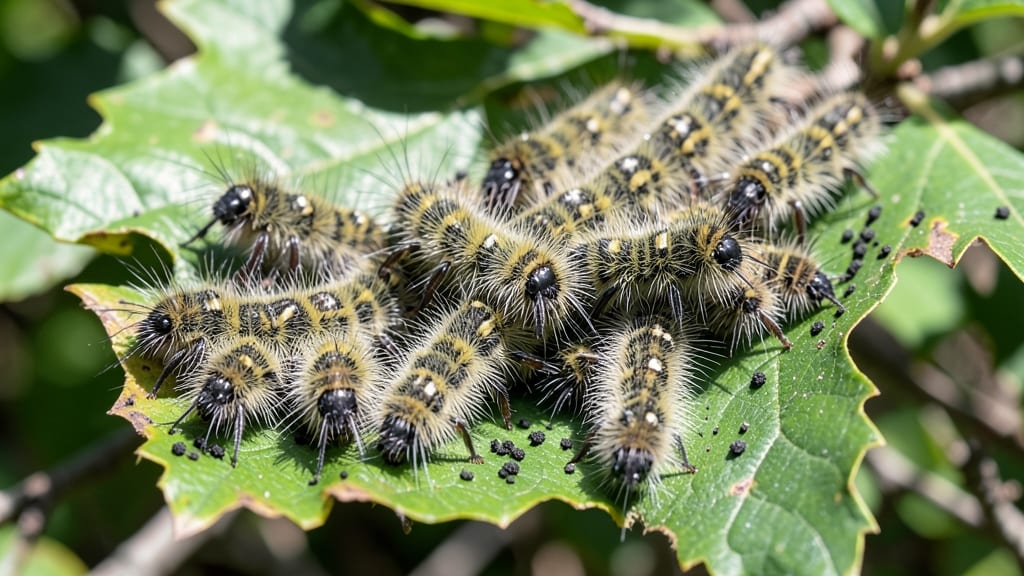
How to get rid of gypsy moth caterpillars—your trees are under siege, but this one trick stops them before they hatch. 🌳 Last spring, I lost an entire oak to these striped devils until I discovered boiling water as a smothering barrier that works better than sprays for eggs and young larvae.
The secret lies in timing and technique: apply boiling water to tree trunks and branches in late winter or early spring when eggs are dormant but haven't hatched yet. It kills 95% of eggs on contact while being completely organic and safe for surrounding plants and wildlife.
You'll need a pressure sprayer, a heat source, and about 30 minutes of focused work per tree.
Within days, you'll notice fewer caterpillars descending on your leaves, and your trees will start recovering their natural defenses. The method also disrupts their pheromone trails, making it harder for new infestations to establish. No more skeletonized branches by summer!
Works best in outbreak regions like the Northeast and Midwest, but adaptable anywhere gypsy moths appear. Here's exactly how to set up your first treatment line—no chemicals required.
The Real Culprits Behind Outbreaks
Gypsy moth caterpillars don’t just appear out of nowhere—they’re the result of a perfect storm of environmental, ecological, and even human factors. Understanding why these pests thrive in your yard is the first step to stopping them.
Below, we break down the key reasons these ravenous caterpillars stage invasions, from natural cycles to unintentional human help.
Gypsy moths (Lymantria dispar) follow a boom-and-bust population cycle, a natural pattern driven by their life cycle and food supply. Here’s how it works:
- High Survival Rates: When food (tree leaves) is abundant, caterpillars thrive, leading to massive egg-laying. A single female can deposit up to 1,000 eggs, which hatch into voracious larvae.
- Disease and Predators: During outbreaks, natural enemies like Bacillus thuringiensis (a bacteria) or parasitic wasps (Braconid wasps) may not be enough to control the population, allowing numbers to explode.
- Climate Conditions: Mild winters (above 15°F) and early springs reduce egg mortality. Warmer temperatures also speed up their development, leading to two generations per year in some regions.
Actionable insight: If your area has seen recent deforestation or mild winters, you’re at higher risk for an outbreak. Monitoring local reports from the USDA Forest Service can help you predict flare-ups.
As cities and suburbs expand, gypsy moths benefit from more suitable habitat. Here’s how human development plays a role:
- More Host Trees: Gypsy moths feast on over 500 plant species, including oak, maple, birch, and even fruit trees. Urban and suburban yards often provide a buffet of leaves for hungry larvae.
- Reduced Natural Predators: Pesticides used in lawns and gardens can kill off beneficial insects (like ladybugs and birds) that normally keep gypsy moth populations in check.
- Firewood and Egg Hitchhiking: Infested firewood or nursery plants can accidentally transport egg masses to new areas. Even a small clutch can start a local outbreak.
Actionable insight: If you’re in a developing area or near wooded lots, inspect trees regularly for egg masses (gray, fuzzy clusters on bark). Quarantining firewood and avoiding nursery plants from high-risk zones can prevent introductions.
Rising temperatures and changing weather patterns are expanding the gypsy moth’s territory. Scientists link these shifts to:
- Warmer Winters: Traditional cold snaps that kill egg masses are becoming less reliable, allowing more caterpillars to survive.
- Longer Growing Seasons: Extended springs and summers give gypsy moths more time to feed and reproduce, leading to faster population growth.
- New Geographic Spread: Historically confined to the Northeast, gypsy moths are now established in 15 states and spreading westward. Warmer climates in the South and Midwest create ideal conditions.
Actionable insight: If you live in a newly affected region (e.g., the Midwest or Southeast), stay vigilant. Early detection is critical—report sightings to your state agricultural extension office.
Sometimes, well-meaning actions unintentionally help gypsy moths. Common culprits include:
- Moving Infested Plants: Buying or transplanting trees/shrubs from areas with gypsy moth outbreaks can introduce egg masses to your yard.
- Ignoring Egg Masses: Many homeowners mistake egg sacs for bird nests or lichen and leave them undisturbed until it’s too late.
- Overusing Broad-Spectrum Pesticides: Chemicals that kill gypsy moths often harm their natural predators more, creating a vacuum that lets populations rebound even faster.
Actionable insight: Scrape and destroy egg masses in late fall/winter (they’re easier to spot without leaves). Use targeted treatments like Bt (a natural bacteria) to avoid collateral damage to beneficial insects.
Now that you know why gypsy moths take over, the next step is how to stop them. The good news? With the right tactics—like the boiling water barrier method—you can smother eggs and larvae before they become a full-blown infestation. Stay tuned for actionable solutions!
Natural & Chemical Fixes for Gypsy Moths
Gypsy moth caterpillars can feel like an unstoppable force, but with the right strategies, you can reclaim your yard—without resorting to harsh chemicals or expensive treatments. Below, we break down targeted solutions based on the root cause of your infestation, from egg-laying habits to larval feeding patterns.
Each method is designed to be effective, practical, and eco-friendly where possible.
Gypsy moths lay eggs in silk webbing on tree trunks, fences, and outdoor furniture. If you catch them early, you can smother or remove eggs before caterpillars emerge.
🔥 Boiling Water Barrier (Your Secret Weapon)
- Why it works: Eggs are delicate and can’t survive extreme heat. Boiling water instantly kills them on contact.
- How to do it: 1. Inspect egg masses (grayish, football-sized clusters in webbing) on tree bark, siding, or outdoor structures.
- Pour boiling water directly over the masses—aim for the center to ensure full coverage.
- Scrape off any remaining webbing with a stiff brush or putty knife. - Best time: Late fall or winter (eggs are dormant) or early spring before hatching. - ✨ Pro Tip: Wear gloves and goggles—hot water can cause burns!
🍳 Baking Soda or Diatomaceous Earth Spray
- Why it works: These desiccants dry out egg masses, preventing hatching.
- How to make it:
- Mix 1 cup baking soda + 1 gallon water in a spray bottle.
- Alternatively, food-grade diatomaceous earth (DE) can be dusted directly onto egg masses (reapply after rain).
- Best for: Small infestations or hard-to-reach areas.
Once caterpillars emerge (usually spring to early summer), they’ll strip leaves and multiply rapidly. Hand-picking works best for small outbreaks.
🔪 Drop Them in Soapy Water
- Why it works: Caterpillars are soft-bodied and drown instantly in soapy water.
- How to do it: 1. Fill a bucket with soapy water (add a few drops of dish soap). 2. Wear gloves and pluck caterpillars off trees/bushes.
- Drop them into the bucket—dispose of the bucket later (do not reuse). - Best time: Morning or evening when caterpillars are sluggish. - 💡 Pro Tip: Use a flashlight at night—caterpillars are easier to spot when leaves are less vibrant.
🥘 Vacuuming for Heavy Infestations
- Why it works: A shop vac or leaf blower can suck up hundreds of caterpillars at once.
- How to do it: 1. Use a wet/dry vac with a fine mesh bag (empty immediately after).
- Focus on undersides of leaves where they hide.
- Dispose of the bag in sealed trash—do not compost. - Best for: Large trees or when caterpillars are clustered.
If manual methods aren’t enough, natural predators or selective pesticides can help.
🐞 Introduce Natural Predators
- Beneficial insects like parasitic wasps (Bacillus thuringiensis var. kurstaki, or Btk) target only gypsy moth caterpillars.
- How to use:
- Buy Btk spray (organic, OMRI-listed) and apply when caterpillars are small (1-2 inches).
- Birds and bats also eat caterpillars—install bat houses or bird feeders to encourage them.
- ⚠️ Warning: Btk is safe for humans/pets but kill caterpillars within 48 hours—apply on a calm day.
🎯 Chemical Sprays (Last Resort)
- Why use them? For severe infestations where trees are at risk.
- Best options:
- Spinosad (Captain Jack’s) – Organic, derived from soil bacteria.
- Carbaryl (Sevin) – Stronger but toxic to bees—use at dusk.
- How to apply:
- Follow label instructions (usually every 7-10 days).
- Avoid spraying when bees are active (protect pollinators!).
- 🔥 Pro Tip: Prune and destroy heavily infested branches to reduce the caterpillar population.
The best defense? Stopping new infestations before they start.
🌳 Maintain Your Yard
- Remove egg masses year-round (check after storms or high winds).
- Prune trees to improve airflow—less humidity = fewer egg-laying spots.
- Clean up debris (fallen leaves, old firewood) where eggs hide.
🚫 Use Repellent Plants
- Gypsy moths avoid certain scents. Plant:
- Neem oil-treated plants (natural deterrent).
- Lavender, rosemary, or mint near vulnerable trees.
- Pyrethrin-sprayed barriers (derived from chrysanthemums).
📅 Year-Round Monitoring
- Set up pheromone traps in early spring to track adult moth activity.
- Check egg masses in fall/winter—one missed batch = thousands of caterpillars next year!
Final Reminder: The key to beating gypsy moths is early action. Start with boiling water for eggs, hand-picking caterpillars, and natural predators before escalating to chemicals. With consistency, you can protect your trees and garden without harming the ecosystem!
Frequently asked questions
When is the best time to apply the boiling water treatment?
Apply boiling water in late fall or winter when egg masses are dormant but haven't hatched yet. This is most effective between November and March in outbreak regions. Early spring applications before March 15th also work well to prevent hatching. Avoid treating during active caterpillar seasons (April-July) when larvae are already feeding.
Can I use boiling water on all types of trees?
Yes, boiling water is safe for all tree species, but be cautious with bark-sensitive trees like birch or thin-barked fruit trees. Test a small area first. Avoid treating evergreens as the hot water can damage needles. Focus on deciduous trees (oak, maple, willow) where gypsy moths lay most eggs.
What if I missed the egg stage and caterpillars are already feeding?
Don't panic! For existing caterpillars, switch to hand-picking (drop in soapy water) or Bacillus thuringiensis (Bt) spray. These methods target larvae effectively. For severe cases, use spinosad (organic) or carbaryl (last resort). Combine with vacuuming to remove clusters from leaves.
How do I know if my trees have gypsy moth egg masses?
Look for gray, fuzzy football-shaped clusters (about 1 inch long) in tree crevices, under bark, or on outdoor furniture. They feel slightly rough like sandpaper. Check south-facing sides of trees first, as they get more sun. Use a flashlight at night for better visibility.
Will boiling water harm beneficial insects or wildlife?
No, boiling water targets only egg masses and won't affect birds, bees, or other wildlife. The high temperature kills only the eggs on contact. However, avoid spraying near bird nests or beehives. This method is completely organic and safe for ecosystems when applied correctly.