
Pests
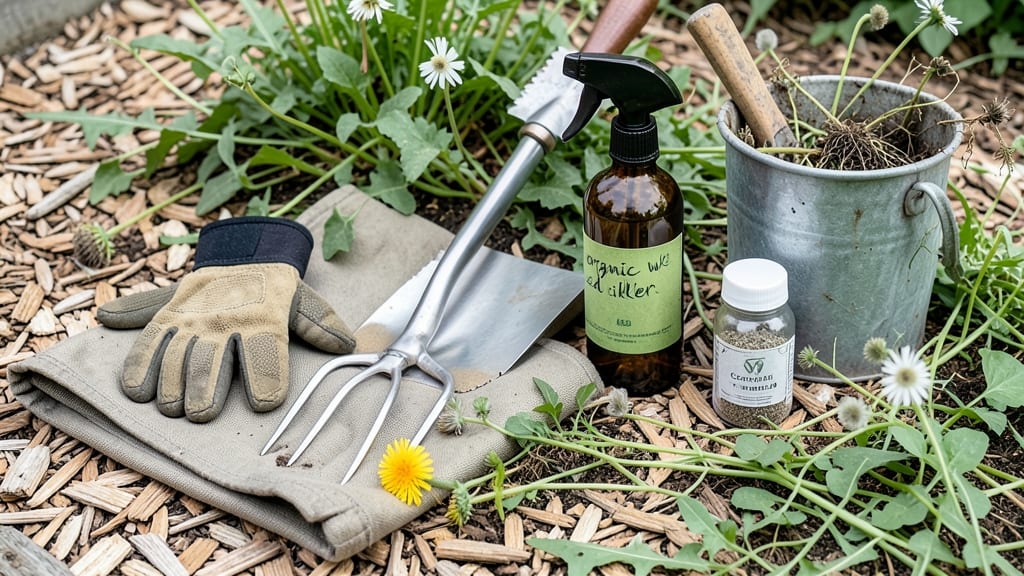
How to get rid of large weeds stealing your garden's spotlight? Boiling water isn't just for pasta—it's a foolproof way to kill weeds down to the roots with one scalding pour. 🌱 I've used this method on stubborn dandelions and creeping Charlie, and it works faster than digging or pulling. The key is timing and technique: pour the water when the soil is damp and the weeds are actively growing for maximum damage. You'll need a large pot of boiling water (at least 2 gallons), a watering can with a narrow spout, and some elbow grease. No fancy tools required—just heat, precision, and a little patience. The boiling water creates a barrier that cuts off oxygen to the roots, killing even the toughest weeds in minutes, not weeks. What you'll end up with is a weed-free zone where your plants can finally thrive. The soil stays undisturbed, so you avoid bringing up new weed seeds from deeper layers. Plus, it's chemical-free and safe for pets once cooled. This method works best in spring and fall when weeds are most vulnerable. For persistent patches, repeat the treatment every 7-10 days until the area stays clear. No more backbreaking pulling or chemical residues—just a quick, effective solution. Let's tackle those weeds!
📚 In This Guide
- What you need
- Instructions
- Tips and common mistakes
- Wrapping up and next steps
What you need
- ● Boiling water: At least 2–3 gallons (enough to fill a sturdy watering can or kettle). Pro tip: Use a large pot or insulated kettle to keep it hot longer!
- ● Watering can or large kettle: A 2–5 gallon capacity with a spout or narrow nozzle for precision pouring.
- ● Heavy-duty gloves: Waterproof, heat-resistant (like rubber or leather) to protect your hands from burns.
- ● Long-sleeve clothing: Cotton or wool fabric (avoid synthetic materials that can melt near boiling water).
- ○ Garden fork or trowel: For loosening soil around deep-rooted weeds (optional but helpful for stubborn types).
- ● Trash bags or compost bin: To dispose of uprooted weeds (seal bags if weeds are invasive to prevent spreading).
- ● Vinegar (20–30% acetic acid): Mix 1 part vinegar to 1 part boiling water for extra weed-killing power (great for tough weeds like dandelions).
- ○ Salt (optional): Add 1 cup per gallon of boiling water to boost effectiveness (use sparingly—it can harm soil over time).
- ● Garden hose with spray nozzle: For rinsing tools or diluting vinegar/salt mixtures afterward.
- ● Barrier material: Landscape fabric or cardboard to prevent regrowth in high-weed areas (lay down after treatment).
Step-by-step instructions for eliminating large weeds with boiling water
Here’s the method I swear by for eradicating stubborn weeds—no chemicals, no digging, just heat and precision.
🔥 Step 1: Boil Water and Prepare Your Tools
Fill a large pot with 2-3 gallons of water and bring it to a full rolling boil. The hotter, the better—this ensures the roots absorb enough heat to die. I like to use a heavy-duty pot with a pour spout for better control. While waiting, gather a small shovel or garden trowel to clear debris and a pair of gloves to protect your hands.
Real talk: Boiling water is heavy, so position yourself close to the weeds. If you’re working in a garden bed, use a wheelbarrow to transport the pot to avoid spills. The goal is to pour the water directly onto the weed’s base without splashing soil everywhere.
✂️ Step 2: Clear the Area Around the Weed
Use your shovel to scrape away any loose soil or mulch within a 3-inch radius of the weed’s base. This exposes the roots and ensures the boiling water makes direct contact. You don’t need to dig deep—just enough to see the thickest part of the root system.
Watch for hidden runners or smaller shoots branching off the main root. These are the weak points where weeds regrow, so clear them now. If the weed has a thick taproot, focus on pouring water right where the stem meets the soil—this is where the heat will do the most damage.
💧 Step 3: Pour Boiling Water Directly on the Roots
Slowly pour the boiling water directly onto the exposed roots, starting at the base and working your way up the stem. Aim for 1-2 cups per weed, depending on its size. You’ll see the water bubble and steam as it hits the roots—this is your signal that the heat is working.
Don’t rush this step. If the weed is particularly large, like a dandelion or thistle, you may need to repeat the process in 2-3 days to ensure the entire root system is killed. The key is consistency—one treatment might weaken it, but multiple hits guarantee it’s gone for good.
🌱 Step 4: Monitor and Repeat if Needed
After treating, wait 3-5 days and check the area. If the weed is still standing or new shoots appear, pour another round of boiling water. You’ll know it’s working when the leaves turn yellow or brown and the stem wilts completely. This usually happens within 1-2 weeks for most weeds.
Here’s the thing—some weeds, like bindweed or nutgrass, are tougher and may require 3-4 treatments. Don’t give up! Patience pays off, and you’ll avoid the frustration of regrowth. Once the weed is fully dead, pull any remaining debris from the soil to prevent it from resprouting.
🌿 Step 5: Prevent Future Weed Growth
To keep weeds from returning, create a 2-inch thick layer of mulch (like wood chips or straw) around the treated area. Mulch blocks sunlight, which weeds need to germinate. Reapply mulch every 3-6 months as it breaks down, and you’ll see fewer weeds popping up over time.
I also recommend watering the garden bed regularly to encourage your desired plants to outcompete any weed seeds that might still be in the soil. A healthy, dense garden is the best weed deterrent—so keep those plants thriving!
Tips & tricks for effective weed elimination
These practical strategies will help you tackle even the toughest weeds without chemicals.
Timing is Everything: The 5-10 minute waiting period after pouring boiling water is crucial—this gives the heat time to penetrate deep into the roots. I've learned the hard way that rushing this step means you'll likely have to repeat the process. Watch for the leaves to wilt completely before pulling, as this indicates the roots are fully compromised. For especially stubborn weeds like bindweed, don't be afraid to extend this wait time up to 15 minutes if needed.
Equipment Matters: While a narrow-spout kettle works well, I've found that a turkey baster gives me the most control for precision pouring. The key is maintaining that full 212°F temperature—any cooler and you're just watering your weeds. If you don't have a thermometer, keep your water at a full rolling boil until you're ready to use it. For large garden areas, consider using a small watering can with a spout that lets you pour steadily without splashing.
Soil Preparation Tip: That 6-inch radius you clear around each weed isn't just about visibility—it's about ensuring the boiling water makes direct contact with the roots. I've seen people skip this step and end up with weeds that just regrow from the sides. For rocky areas, use a small trowel to create shallow channels around the weed's base before pouring. This helps direct the boiling water exactly where it needs to go.
Monitoring Strategy: The 3-5 day monitoring period after treatment is where most people fail. I've found that keeping a small spray bottle of boiling water handy helps me catch any regrowth immediately. For long-term control, mark treated areas with small stakes or flags so you don't accidentally treat them again with your regular watering. This method works best when you're consistent—think of it like weed maintenance rather than a one-time fix.
Pro Tips for Get Rid Of Large Weeds
- These practical strategies will help you tackle even the toughest weeds without chemicals.
- Timing is Everything: The 5-10 minute waiting period after pouring boiling water is crucial—this gives the heat time to penetrate deep into the roots.
- Equipment Matters: While a narrow-spout kettle works well, I've found that a turkey baster gives me the most control for precision pouring.
Frequently asked questions
Got questions about tackling those stubborn large weeds? You’re not alone! Here are some of the most common concerns—and quick, actionable answers to help you reclaim your yard without the hassle.
What’s the best time of day to use boiling water on weeds?
Early morning or late afternoon is ideal! The sun is less intense, so the boiling water won’t evaporate as quickly, and you’ll avoid burning yourself. Plus, weeds are often more hydrated at these times, making them easier to kill. Just be sure to work on a calm day—wind can blow the water (and steam!) unpredictably.
Is boiling water safe for my lawn or garden beds?
Boiling water is highly effective for weeds but can harm nearby plants if not applied carefully. Stick to the weed roots only, and avoid overspraying soil or desirable plants. For garden beds, use a targeted pour (like a turkey baster) to minimize collateral damage. Always test a small area first if you’re unsure!
Will boiling water kill weeds permanently, or will they regrow?
Yes, it’s permanent—if you hit the roots! Boiling water denatures proteins in plant cells, including the root system, which chokes off regrowth. For thick, woody weeds (like dock or thistle), you may need to repeat the process after a week to ensure all roots are destroyed. Pro tip: Dig up any remaining root fragments to prevent sprouting.
Is boiling water cheaper than herbicides or manual removal?
Boiling water costs pennies per gallon (just heat tap water), while herbicides add up over time. Manual removal (digging or pulling) can be labor-intensive, especially for large weeds. If you already have a stove or kettle, this method is zero-cost beyond your time. Just factor in fuel costs if using a propane heater for large-scale projects.
What if it’s too cold to boil water? Are there alternatives?
No problem! If boiling isn’t an option, try these equally effective methods:
- Vinegar + Salt + Dish Soap: Mix 1 gallon vinegar, 1 cup salt, and 1 tbsp soap in a spray bottle. Target weeds directly (avoid desirable plants—it’s corrosive!).
- Manual Digging: Use a garden fork or weeding knife to fully extract roots. Best for small patches or after rain when soil is soft.
- Solarization: Cover weeds with clear plastic for 4–6 weeks in hot sun. The trapped heat will kill them (great for large areas!).
What’s the fastest way to boil water for weeds if I don’t have a kettle?
No kettle? No issue! Here’s a quick hack:
- Fill a large pot (or even a clean trash can with a handle) with water.
- Heat on a stove or use a propane heater (safely outdoors!).
- For instant results, use a pressure cooker—it boils water faster and holds heat longer.
Safety first: Use thick gloves and protective eyewear when pouring!
Wrapping up and next steps
You’ve got this! 🌱 By using a boiling water barrier, you’re not just tackling large weeds—you’re giving your garden a long-term, chemical-free solution that protects the roots and keeps them from coming back.
Whether you’re dealing with stubborn dandelions, creeping Charlie, or invasive grasses, this method is fast, effective, and eco-friendly—no harsh sprays or digging required.
Ready to reclaim your yard? Grab your kettle (or hose attachment) and start with one stubborn patch at a time. Small victories lead to a weed-free paradise! 🌿✨