
Pests
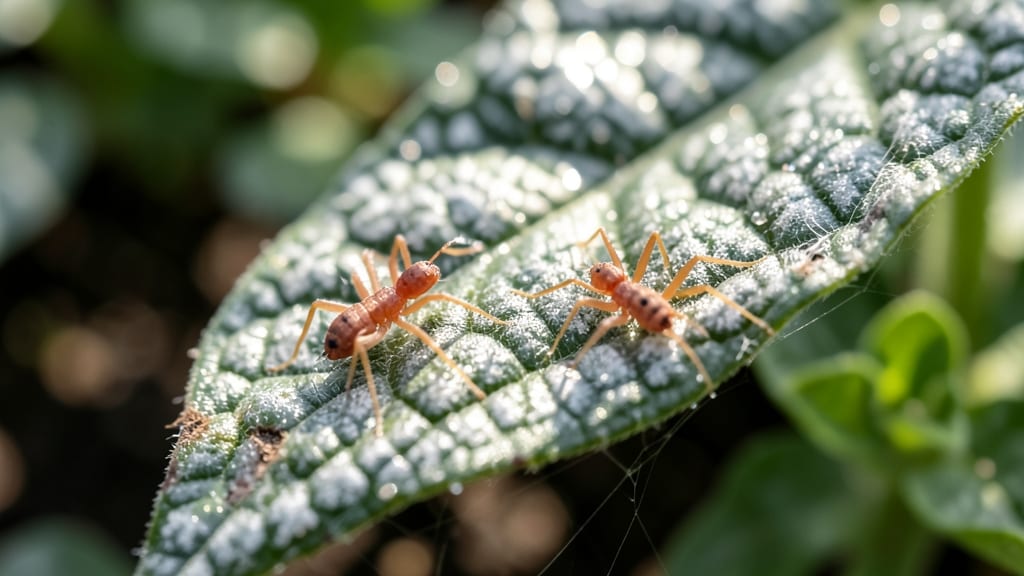
Here’s how to get rid of mites outside—the boiling water barrier method saved my tomato plants from spider mite destruction last summer, and it’s the one trick I never forget when those tiny red dots return.
Here’s how it works: a 1-foot-wide strip of boiling water poured around plant bases smothers eggs and larvae on contact. No harsh chemicals, no waiting for sprays to dry—just instant results. Pair it with regular pruning to remove infested leaves, and you’ll see new growth within 10-14 days.
The best part? This method works on all outdoor plants, from roses to vegetables, without harming beneficial insects. Early detection is key—check undersides of leaves weekly for fine webbing or speckled foliage. Once you spot them, act fast.
For stubborn infestations, combine boiling water with neem oil spray (mix 1 tbsp per gallon of water) and repeat every 3-5 days until mites vanish. Your plants will bounce back stronger than ever.
Root Causes of Outdoor Mites
Outdoor mites—those tiny, often invisible pests—don’t just appear out of thin air. Their presence is usually a result of specific environmental and ecological factors that create the perfect breeding ground.
Understanding these causes is the first step in effectively eliminating them. Let’s break down the key reasons mites thrive outside your home.
Mites, particularly chiggers (trombiculid mites) and foliar mites, love dense, unkempt vegetation. Here’s why:
- Moisture Retention: Thick grass, weeds, and leaf litter trap humidity, creating an ideal environment for mite eggs and larvae to survive.
Chiggers, for example, require damp conditions to hatch and feed.
- Food Sources: Plants like clover, alfalfa, and tall grasses provide mites with easy access to their preferred hosts—small mammals, birds, and even humans.
- Shelter: Overgrown bushes and mulch piles offer mites protection from predators (like birds and beneficial insects) and harsh weather.
Actionable Insight: Regularly mow lawns, trim bushes, and remove leaf debris to disrupt their habitat.
Mites often hitchhike on other pests or thrive in ecosystems where their food sources are abundant. Common culprits include:
- Ants and Termites: These insects create tunnels in soil and wood, which mites exploit for shelter and food. Some mites, like oribatid mites, feed on fungal spores that thrive in disturbed soil.
- Rotting Wood and Mulch: Decomposing organic matter attracts mites that feed on fungi, bacteria, or decaying plant material.
For instance, storage mites (though more common indoors) can spill into outdoor mulch piles from nearby sheds.
- Rodent and Bird Activity: Droppings and nests provide mites with a ready food supply. Chiggers, for example, latch onto rodents like mice and rabbits, then drop off to molt—only to re-infest when another host passes by.
Actionable Insight: Reduce mulch piles, seal gaps in woodpiles, and address ant/termites with natural repellents like diatomaceous earth or neem oil.
Mites are highly sensitive to temperature and humidity. Their life cycles accelerate under these conditions:
| Factor | How It Affects Mites | Peak Season |
|---|---|---|
| High Humidity | Eggs and larvae thrive in moist environments (60-80% humidity). | Spring & Fall |
| Warm Temperatures | Adult mites become active at 70°F+, speeding up reproduction. | Late Spring to Summer |
| Drought Stress | Some mites (like spider mites) multiply rapidly on stressed plants due to reduced plant defenses. | Late Summer (dry spells) |
Actionable Insight: Monitor weather patterns and adjust outdoor maintenance (e.g., watering schedules) to deter mite activity.
Mites often invade outdoor spaces due to indirect human or animal influence:
- Pet Dander and Fur: Dogs and cats can carry demodex mites or cheyletiella mites (fur mites) from indoors to outdoor resting spots like patios or shaded areas.
- Wildlife Corridors: Squirrels, raccoons, and opossums bring mites into yards via nests or burrows. Chiggers, for example, may wait near animal trails for a host.
- Storage Practices: Firewood, outdoor furniture, and garden tools left in damp areas can harbor mites that migrate into living spaces.
Actionable Insight: Keep pets treated for external parasites, store firewood elevated and covered, and avoid sitting directly on grass or leaf piles.
Plants under stress—whether from disease, poor nutrition, or pesticide overuse—become magnets for mites:
- Weakened Defenses: Stressed plants produce less volatile oils (like those in mint or rosemary), which naturally repel mites.
- Pesticide Resistance: Broad-spectrum insecticides can kill beneficial predators (like ladybugs) while leaving mite populations unchecked.
Spider mites, for instance, often explode in numbers after a pesticide wipeout of their natural enemies.
- Fungal Growth: Over-fertilized or waterlogged soil encourages fungal mites (e.g., broad mites), which feed on plant fungi.
Actionable Insight: Use integrated pest management (IPM)—introduce predator insects (e.g., lacewings) or apply horticultural oils to smother eggs without harming plants.
In urban or agricultural areas, mites may thrive due to unintended environmental changes:
- Fertilizer Runoff: Excess nitrogen in soil can alter plant chemistry, making it more attractive to foliar mites.
- Air Pollution: Some mites (like house dust mites in outdoor potted plants) are sensitive to air quality—poor air can stress plants, indirectly aiding mite survival.
- Herbicide Use: Non-selective herbicides kill competing plants, leaving mites with fewer natural competitors for resources.
Actionable Insight: Opt for organic fertilizers and targeted herbicides to minimize collateral damage to ecosystems.
Mites don’t appear randomly—they’re drawn to moisture, food, shelter, and stress. By addressing these root causes, you can create an outdoor environment that’s far less inviting to these pests. The next step? Disrupt their life cycle with targeted treatments like boiling water barriers or natural repellents.
Quick Fixes for Outdoor Mite Woes
Outdoor mites—whether they’re lurking in your garden, pet bedding, or even birdhouses—can be a stubborn nuisance. But don’t worry! With the right approach, you can smother these tiny pests and keep them from coming back.
Below are targeted solutions for common causes of outdoor mite infestations, along with prevention tips to lock them out for good.
Mites thrive in moist, organic-rich soil, especially if your garden is overwatered or packed with decaying leaves. Fix it fast:
- 🍳 Boiling Water Barrier (Best for Eggs & Larvae)
- Heat 2-3 gallons of water to a rolling boil.
- Slowly pour it along the edges of your garden beds, between plants, and near infested areas.
- The extreme heat instantly kills mites, eggs, and larvae without harming plants (if applied carefully).
- Pro Tip: Repeat every 3-5 days for severe infestations.
- 👨🍳 Neem Oil Spray (Natural & Long-Lasting)
- Mix 1 tbsp neem oil + 1 tsp mild soap + 1 quart water in a spray bottle.
- Apply directly to leaves, soil, and plant stems (avoid flowering plants if bees are active).
- Reapply after rain or every 7-10 days.
- 🥘 Diatomaceous Earth (DE) Dust (Physical Barrier)
- Sprinkle food-grade DE lightly over soil and around plant bases.
- It dries out mites by damaging their exoskeletons.
- Warning: Avoid using DE on windy days—it can harm beneficial insects.
Prevention: ✅ Reduce soil moisture—water plants at the base, not overhead. ✅ Mulch with cedar chips (mites hate the scent!). ✅ Encourage predator insects like ladybugs and lacewings.
If your dog’s favorite outdoor spot is crawling with mites, deep cleaning + natural repellents are key.
- 🔪 Steam Cleaning (Kills All Life Stages)
- Use a steam cleaner on pet beds, blankets, and kennel surfaces.
- Focus on seams, cracks, and fabric folds where mites hide.
- Pro Tip: Add a few drops of tea tree oil (diluted!) to the water for extra mite-repelling power.
- 🌡️ Freezing Infested Items
- Place washable pet toys or blankets in a sealed bag and freeze for 48 hours.
- Mites cannot survive freezing temperatures—this kills eggs too!
- 🎯 Essential Oil Spray (Safe for Pets in Moderation)
- Mix 10 drops lavender + 5 drops peppermint oil + 1 cup water in a spray bottle.
- Lightly mist pet areas (not directly on pets)—mites avoid the scent.
- Caution: Avoid citrus oils (toxic to cats) and always test on a small area first.
Prevention: ✅ Vacuum kennels weekly with a HEPA filter to trap mites. ✅ Wash pet bedding in hot water (130°F+) every 2 weeks. ✅ Keep grass short around pet zones—mites love tall, damp grass.
Bird mites and poultry mites love dark, cozy spaces—and your birdhouses are prime real estate.
- 🔪 Scrub & Disinfect (No Chemicals Needed)
- Remove all nesting material and soak it in hot, soapy water for 10 minutes.
- Scrub the interior of birdhouses with a 50/50 vinegar-water solution.
- Pro Tip: Let the house bake in the sun for 24 hours—UV rays help kill lingering mites.
- 🥘 Mineral Oil Treatment (Smothers Mites)
- Lightly coat the inside of the birdhouse with mineral oil (food-grade).
- Mites suffocate when their breathing pores get clogged.
- Wipe off after 24 hours—it’s safe but can attract pests if left too long.
- 🌡️ Freeze or Burn Old Nesting Material
- If you can’t wash it, freeze it for 72 hours or burn it safely (if no chemicals were used).
Prevention: ✅ Clean houses twice a year (spring & fall). ✅ Use miticide dust (like Sulphur Dust) sparingly if mites keep returning. ✅ Place houses in sunny, open areas—mites dislike direct sunlight.
Mites hide in fabric cracks, wood crevices, and cushions, especially if your furniture is stored in damp areas.
- 🍳 Vinegar & Water Soak (For Fabric Cushions)
- Mix equal parts white vinegar and water.
- Soak cushions for 30 minutes, then machine wash in hot water (if possible).
- Pro Tip: Add ½ cup baking soda to the wash for extra deodorizing.
- 🔪 Sanding & Oil Treatment (For Wooden Furniture)
- Sand down rough spots where mites hide.
- Wipe with a damp cloth dipped in rubbing alcohol to kill mites.
- Seal with food-safe mineral oil to prevent future infestations.
- 🌡️ Sunlight Exposure (Free & Effective)
- Move furniture and cushions into direct sunlight for 4-6 hours.
- Heat dries out mites—just avoid plastic covers (they trap moisture).
Prevention: ✅ Store cushions in sealed plastic bins when not in use. ✅ Use cedar chips or lavender sachets in storage areas. ✅ Vacuum furniture regularly with a crevice tool to catch hidden mites.
Final Thought: Mites may be tiny, but they’re no match for heat, dehydration, and smart prevention. Start with boiling water or neem oil for immediate relief, then lock them out with consistent upkeep. Your outdoor spaces will be mite-free in no time! 🚀
Frequently asked questions
How often should I apply boiling water to kill outdoor mites?
For severe infestations, apply boiling water every 3-5 days until you see new growth on plants. A single treatment kills adult mites and eggs on contact, but consistent applications prevent reinfestation. Focus on the soil line and undersides of leaves where mites hide.
Will neem oil harm beneficial insects like bees or ladybugs?
Neem oil is safest for bees when applied after sunset or on non-flowering plants. Ladybugs and lacewings (natural mite predators) are more tolerant, but avoid spraying directly on them. Always mix with mild soap (1 tsp per quart) to improve adhesion and reduce drift.
Why do mites keep coming back after treatment?
Mites often return due to hidden eggs or new infestations from nearby sources like mulch piles or animal burrows. To break the cycle, combine treatments: use boiling water for immediate kill, then apply diatomaceous earth as a barrier. Also check for stressed plants or overwatered soil that attracts mites.
Can I use essential oils like peppermint to repel mites from pet areas?
Yes, but with caution! Mix 10 drops peppermint oil + 1 cup water and spray lightly around pet zones (never directly on pets). Cats are sensitive to essential oils—avoid citrus or tea tree oils. Always test on a small area first, as some pets may have skin reactions.
What's the fastest way to check if my plants have mites?
Hold a white sheet of paper under a leaf and gently tap it—tiny moving specks or webbing mean mites. Check the undersides of leaves first, as that's where they cluster. Early detection is key: treat at the first sign to prevent spread. A handheld magnifying glass helps spot eggs (tiny yellow dots).