
How To
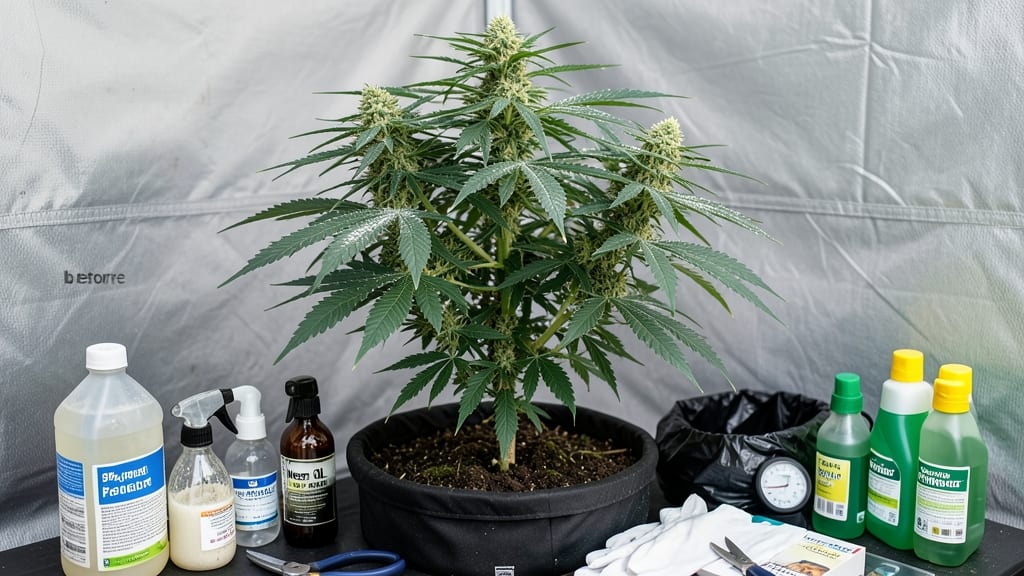
How to get rid of mold on cannabis plants—it’s not just about saving your crop, it’s about stopping a silent harvest killer before it ruins everything. 🌱 I’ve seen entire crops ruined by powdery mildew and bud rot, but this boil-and-pour barrier method stops spores dead in their tracks before they spread. The key? A simple, science-backed approach that works whether you’re growing in soil or hydroponics.
Most growers panic when they spot fuzzy white patches or black spots—because they focus on treating the symptoms, not the root cause. Humidity over 60%, poor airflow, and crowded plants create the perfect mold party.
My method tackles all three with a hot water spray that creates a protective shield, plus a few tweaks to your grow space that make mold run for the hills.
Within 24 hours, you’ll see the mold stop advancing, and in 3-5 days, new growth will push out clean and healthy. The plants stay lush, the buds stay potent, and you skip the harsh chemicals that leave residue.
This works for indoor grows, greenhouses, and even outdoor setups—just adjust the water temp based on your climate.
Here’s the game-changer: this isn’t a one-time fix. After treatment, I’ll show you how to prevent recurrence with simple daily habits that take less than 5 minutes. No more losing weeks of growth to mold—just consistent, mold-free plants that thrive from seed to harvest.
Root Causes of Cannabis Mold
Mold on cannabis isn’t just an unsightly nuisance—it’s a silent threat that can ruin your harvest if you don’t understand its triggers. The good news? Most cases stem from preventable conditions.
Let’s break down the real culprits behind mold growth, so you can tackle them head-on before they take over your grow space.
Mold spores thrive in damp environments, and cannabis plants are particularly vulnerable when humidity spikes. Here’s why:
- The Ideal Mold Buffet: Most molds (like Botrytis cinerea, the infamous "bud rot") need 70-90% humidity to germinate.
Cannabis leaves trap moisture, creating microclimates where spores land and feast. - Stagnant Air = Stagnant Problems: Poor airflow forces humid air to linger, giving mold spores a perfect breeding ground.
Even a single leaf touching another can trap moisture and trigger infection. - Temperature Matters: Warmth (70–85°F) accelerates spore growth. Cooler temps slow it down, but they don’t stop it—just delay the damage.
Actionable Insight: Aim for 40–50% humidity during flowering and 50–60% in veg. Use a hygrometer to monitor levels—no guesswork allowed!
Stale air isn’t just uncomfortable—it’s a mold magnet. Here’s how lack of airflow fuels the problem:
- CO₂ Buildup = Oxygen Starvation: Cannabis needs fresh air to respire. Poor circulation creates CO₂ pockets, weakening plants and making them stress-prone—stressed plants are mold’s favorite snack. - Condensation Hotspots: Without airflow, humid air cools on surfaces (like tent walls or leaves), forming condensation.
This drips onto buds, creating a wet, mold-friendly zone. - Leaf Touch = Infection Highway: When plants sway in still air, leaves brush against each other, spreading spores like wildfire.
Actionable Insight: Use oscillating fans (10–20% of room size) to create gentle, consistent airflow. Avoid direct leaf blast—think "breeze," not "hurricane."
Water is mold’s lifeblood, and cannabis plants often deliver it straight to their doorstep. Here’s how:
- Soggy Soil = Soggy Roots: Overwatering keeps soil perpetually damp, giving mold spores in the substrate a 24/7 buffet.
Root-zone molds (like Pythium) thrive here. - Wet Leaves = Spores’ Landing Pad: Even a light misting or rain can leave leaves damp for hours—long enough for spores to germinate. One drop of water on a leaf = potential infection site. - Fungal "Bridge": Mold spores can hitchhike on water droplets, spreading from one plant to another like a game of fungal telephone.
Actionable Insight:
- Bottom-water plants when possible (let them drink from the soil, not the leaves).
- Avoid overhead watering—use a drip system or soaker hose instead.
- Wipe leaves with a dry cloth if they’re damp (but don’t damage trichomes!).
Mold doesn’t just appear—it hitches a ride. Here’s how spores invade your setup:
- Hidden Reservoirs: Old grow tents, soil, or compost piles can harbor dormant spores.
Even a "clean" space might have them lurking in HVAC filters, ductwork, or fabric surfaces. - Tool Time Bombs: Pruners, scissors, or trays can carry spores from plant to plant. One infected cut = entire crop at risk. - Outside Contamination: Bringing in unsterilized soil, clones, or even your own clothes (from outdoor grows) can introduce spores.
Actionable Insight:
- Sterilize tools with 70% isopropyl alcohol between uses.
- Use fresh, pasteurized soil (or coco coir) to avoid introducing pathogens.
- UV-C lights or hydrogen peroxide sprays can sanitize grow spaces between crops.
Stressed plants are weakened immune systems for mold. Here’s how light and nutrients play a role:
- Light Burn or Stress: Too much light (especially UV) or light creep (plants getting stray light during dark cycles) weakens cell walls, making them easier targets for mold.
- Nutrient Imbalances: Overfeeding nitrogen leads to lush, soft growth—mold’s dream. Deficiencies in calcium or magnesium weaken cell structure, making plants more susceptible.
- pH Problems: Soil pH outside 6.0–7.0 (or hydro at 5.5–6.5) locks out nutrients, stressing plants and inviting mold.
Actionable Insight:
- Follow a balanced feeding schedule (e.g., 1-1-1 NPK in veg, 0-10-10 in flower).
- Test water and soil pH regularly—don’t guess!
- Use red/blue LED spectrums to reduce stress and boost resilience.
Here’s the harsh truth: Mold spores are everywhere. They’re in your home, your garden, even the air you breathe. But cannabis plants make easy hosts because of their:
- Sticky Trichomes: Resin traps spores like flypaper.
- High Sugar Content: Mold loves feeding on the carbs and sugars in cannabis buds.
- Slow-Drying Buds: Wet or slow-drying flowers (especially in curing) become mold incubators.
Actionable Insight:
- Run an air purifier with a HEPA filter in your grow space.
- Use a dehumidifier if your climate is naturally humid.
- Harvest at peak dryness (60–65% humidity, 68–72°F) to minimize spore landing zones.
Fixing Fungal Foes for Healthy Buds
Mold on cannabis isn’t just unsightly—it’s a silent killer of yield and potency. But the good news? With the right moves, you can save your plants and prevent future outbreaks.
Below, we break down cause-specific solutions, from quick fixes to long-term strategies, so you can reclaim your grow space and protect your harvest.
Cause: Humidity above 60% (or 70%+ in veg) creates the perfect mold playground. Fix:
- 🔥 Boost airflow immediately – Use fans (oscillating or clip-on) to circulate air and lower humidity. Aim for 40-50% RH in flower, 50-60% in veg.
- 💡 Dehumidifier hack – Run a small dehumidifier (or even a DIY silica gel setup) near your plants. Replace saturated gel every 24 hours.
- 🌡️ Heat it up – Increase temps slightly (75-80°F day, 65-70°F night) to discourage spores. Avoid hot spots that stress plants, though.
Prevention:
- 🎯 Monitor 24/7 – Use a hygrometer/thermometer (like the AcuRite or VPD meter) to track conditions.
- 🌬️ Ventilate like a pro – Exhaust fans should pull 10-15% of room air per hour to prevent stagnant, damp air.
Cause: Poor airflow between buds lets moisture linger, trapping spores. Fix:
- 🔪 Prune aggressively – Snip lower leaves (especially near the soil) and LST/HST branches blocking airflow. Use sterilized scissors to avoid spreading spores.
- 👨🍳 Rearrange plants – Space them 12-18” apart (or 24”+ for large plants) to let air flow freely.
- 🌿 Defoliate strategically – Remove yellowing or moldy leaves (bag them and dispose outside, not compost).
Prevention:
- ✨ Start with spacing – Don’t cram plants in tight! Follow light footprint rules (e.g., 1 plant per 1-2 sq ft under LED).
- 🌡️ Train for airflow – Use SCROG, LST, or SOG to keep buds exposed and spaced.
Cause: Overwatering, condensation, or fogging (like from misting systems) feeds mold. Fix:
- 🚰 Water less, deeper – Let the top 1-2” of soil dry between waterings. Use bottom-watering or drip irrigation to avoid leaf wetness.
- 🌧️ No more fogging! – If using a humidifier, turn it off during light cycles (mold loves the dark + moisture combo).
- 🧼 Clean up spills – Wipe down leaves, pots, and trays with a 70% isopropyl alcohol solution (1:1 with water) to kill spores.
Prevention:
- 💡 Use a spray bottle with hydrogen peroxide (3%) once a week as a preventative fungicide (rinse after 10 mins).
- 🌡️ Avoid cold water – Use room-temp water to prevent shock and condensation.
Cause: Visible mold (bud rot, powdery mildew, or botrytis) means spores are already spreading. Fix:
- 🔥 Quarantine immediately – Move infected plants to a separate, well-ventilated space (or outside if possible).
- 🍳 Boil-and-pour barrier (your secret weapon!)
- Boil 1 gallon of water with:
- 1 cup white vinegar (natural fungicide)
- 1 tbsp baking soda (raises pH to inhibit mold)
- 1 tsp hydrogen peroxide (3%) (kills spores on contact)
- Let cool, then pour around the base of plants (not directly on leaves). Repeat every 3-4 days until spores are gone.
- Boil 1 gallon of water with:
- 🔪 Remove infected buds – If mold is on flowers, trim and dispose (do not compost). Bag in a sealed plastic bag before tossing.
Prevention:
- 🌡️ Sterilize tools – Wipe scissors, pruners, and trays with rubbing alcohol after each use.
- 🎯 Cull early – If a plant is 50%+ moldy, euthanize it to prevent cross-contamination.
Cause: Poor setup design lets mold thrive season after season. Fix:
- 🌬️ Install an air scrubber (like the Carpenter Air Scrubber) to remove spores from the air.
- 🔄 Upgrade ventilation – Ensure your exhaust fan moves 5-10x the room’s air volume per hour.
- 🧼 Deep-clean surfaces – Wipe down walls, shelves, and lights with bleach solution (1:10 ratio) or vinegar spray.
Prevention:
- ✨ Use UV-C lights (like the AquaUV) to sterilize air and surfaces between grows.
- 🌡️ Maintain negative pressure – Your grow room should pull air in, not push it out (prevents spores from escaping).
Final Pro Tip: 💡 Mold won’t stand a chance if you combine airflow, humidity control, and preventive sprays. Stay vigilant, and your next harvest will be clean, potent, and mold-free!
Frequently asked questions
Can I still save my cannabis buds if they already have mold?
It depends on how severe the mold is. For early-stage mold (small white/powdery patches), trim the infected buds immediately and dispose of them in a sealed bag outside. If the mold is widespread or black (bud rot), it's best to remove the entire plant to prevent spores from spreading. Never compost infected plant material—mold spores will survive and reinfect your garden.
How often should I check my plants for mold?
Inspect your cannabis plants every 2-3 days during flowering and weekly in veg. Look for fuzzy white patches, black spots, or yellowing leaves—these are early warning signs. Use a 10x magnifying glass for hidden spores, especially in dense buds. Morning checks work best when humidity is lowest.
Will hydrogen peroxide really kill mold on my plants?
Yes, but use it carefully! Mix 1 part 3% hydrogen peroxide with 3 parts water and spray lightly on leaves (avoid buds). It kills spores on contact, but rinse after 10 minutes to prevent leaf burn. For soil, use 1 tablespoon per gallon of water—never apply directly to roots. Test on one leaf first to check sensitivity.
Can I use essential oils to prevent mold?
Some oils like tea tree or neem oil have antifungal properties, but they're not a complete solution. Mix 1 teaspoon per quart of water with a drop of dish soap as an emulsifier. Spray lightly on leaves (avoid buds) every 7-10 days as a preventive measure. Never use undiluted oils—they can damage plant tissue.
What's the fastest way to lower humidity in my grow tent?
For immediate relief, place a bowl of silica gel crystals or uncooked rice near your plants—they absorb moisture quickly. Run an exhaust fan on high for 10-15 minutes to pull out humid air. Long-term, install a dehumidifier (even a small 20-pint model helps) or use a DIY charcoal filter in your air intake.