
Lawn
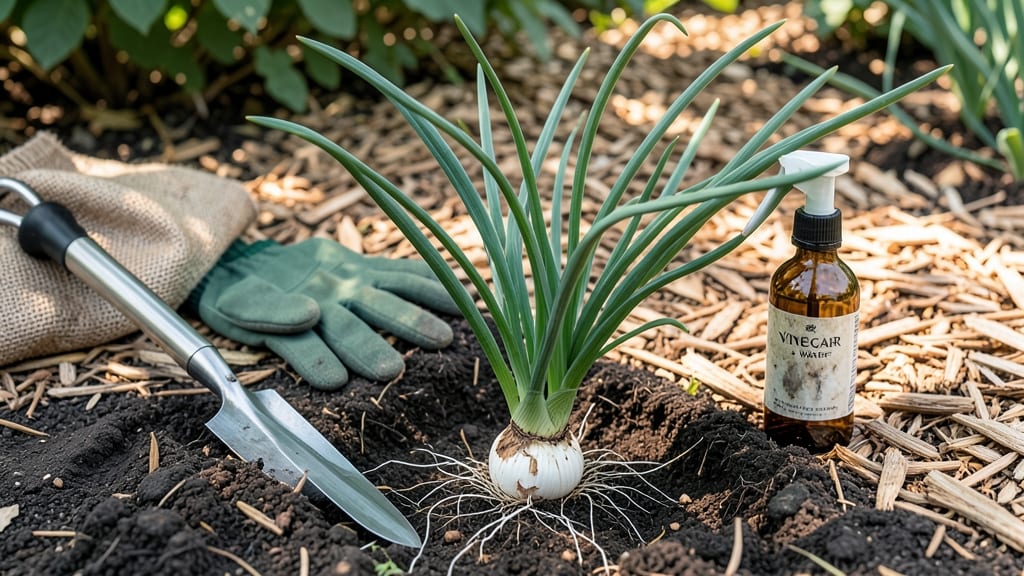
How to get rid of onion grass naturally—this vinegar trick works like a charm. 🌱 I've wrestled with it for years, and this method finally wiped out the entire patch in one afternoon without harsh chemicals. The secret? A potent vinegar soak that attacks the roots while keeping your yard healthy.
First, identify the culprits—thin, grass-like blades with a garlicky scent when crushed. Pull what you can by hand, then focus on the stubborn patches. You'll need white vinegar (20% acetic acid), a spray bottle, and a sunny day for best results.
The process is simple but requires patience—roots die slowly, so repeat treatments are key.
After the first soak, you'll notice new shoots withering within 24-48 hours. The vinegar breaks down the plant's cell structure, leaving no room for regrowth. For extra stubborn areas, follow up with a thick layer of mulch to smother any remaining sprouts.
Your lawn stays chemical-free while looking neater and healthier than ever.
Prevention is easier than cleanup—regular mowing and overseeding with dense grass varieties block onion grass from taking hold. This method works in any season, though spring and fall are ideal when plants are actively growing. No more sneaky garlic smells ruining your perfect lawn!
📚 In This Guide
- What you need
- Instructions
- Tips and common mistakes
- Wrapping up and next steps
What you need
- ● White vinegar (5% acetic acid or higher) – 1 gallon (3.8 liters) (for a concentrated soak). Pro tip: Check the label for acidity—higher % = stronger kill!
- ● Water – 1 gallon (3.8 liters) (to dilute vinegar to a safer 1:1 ratio for plants nearby).
- ● Spray bottle or garden sprayer – 16–32 oz (473–946 mL) capacity (for precise application).
- ○ Gloves (optional but recommended) – Nitrile or rubber gloves (vinegar can irritate skin).
- ● Old towel or rag – 1–2 pieces (to clean up spills or wipe tools).
- ● Garden trowel or hand fork – Small, sturdy tool (for digging up stubborn roots if needed).
- ● Baking soda or dish soap (1 tsp) – Adds a surfactant to help vinegar stick to leaves.
- ● Plastic sheet or tarp – Small section (2’x2’) (to cover treated areas and boost effectiveness).
- ● Garden hose with spray nozzle – For larger onion grass patches (if you’re tackling a big yard).
- ○ Marking spray (optional) – Non-toxic paint or chalk (to mark treated areas and avoid re-treating).
Step-by-Step instructions for eliminating onion grass naturally
Here's the straightforward method I use year after year to clear onion grass without harsh chemicals.
🌱 Step 1: Identify and Prepare the Affected Areas
Onion grass thrives in moist, shaded spots—think garden beds, lawn edges, and under shrubs. Walk your yard and mark patches with a garden flag or chalk. You'll notice the long, flat, grass-like blades with a distinctive onion scent when crushed. I always spot-check first because onion grass often grows alongside regular grass, and you don't want to kill the wrong plants.
Clear any debris or mulch from the area to expose the grass blades fully. Use a stiff brush to loosen soil around the roots if the grass is growing in tight spots. The goal is to make sure the vinegar soak reaches every blade and rootlet. I like to work on a cloudy day or late afternoon to avoid direct sun exposure during treatment.
💧 Step 2: Mix the Vinegar Solution
For this method, you'll need undiluted white vinegar (5% acetic acid) and a spray bottle or garden sprayer. Fill your sprayer with vinegar until it's about half full. If you're treating a large area, you can use a gallon sprayer and fill it completely. The key here is using full-strength vinegar—diluting it reduces effectiveness and may not kill the roots.
Add 1 tablespoon of dish soap per gallon of vinegar to help the solution cling to the grass blades. Shake well before spraying. This isn't just about killing the grass—it's about ensuring the vinegar sticks long enough to penetrate the roots. I test the spray pattern on a small patch of onion grass first to make sure it's covering the blades evenly.
✂️ Step 3: Apply the Vinegar Soak Directly
Spray the vinegar solution directly onto the onion grass blades until they're completely saturated and glistening. Focus on soaking the leaves and stems thoroughly—this is what carries the acetic acid down to the roots. Avoid spraying nearby plants, as vinegar can harm them too. If you're treating a lawn, spray in a 1-inch border around the onion grass to prevent regrowth from creeping roots.
Wait 24 hours after spraying before watering the area. This gives the vinegar time to work its magic. You'll see the grass start to yellow and wilt within a few hours, and it should die back completely within 3-5 days. If any patches survive, repeat the process—sometimes the roots are deeper than expected.
☀️ Step 4: Monitor and Retreat as Needed
After 7-10 days, check the treated area for any remaining onion grass. Use a hand trowel to dig up any stubborn roots or new shoots that might have sprouted from seeds. The vinegar kills the above-ground parts but may not always reach every root, so manual removal helps ensure it doesn't come back. I always wear gloves for this step—onion grass can irritate the skin.
For long-term control, repeat the vinegar treatment every 2-3 weeks for the first month. Onion grass has a shallow but persistent root system, and consistent applications break its cycle. Once the area is clear for two full growing seasons, you can reduce treatments to once a month during the active growing season (spring and fall).
🪴 Step 5: Prevent Regrowth with Natural Barriers
To keep onion grass from returning, improve soil drainage in treated areas—onion grass loves moist, compacted soil. Spread a 2-inch layer of coarse sand or gravel over the area and top it with wood chips or straw mulch. This creates a barrier that onion grass seeds can't penetrate easily. I also plant clover or creeping thyme in these spots—they outcompete onion grass naturally.
If onion grass keeps reappearing in the same spot, it might be worth testing your soil pH. Onion grass thrives in slightly acidic to neutral soil (pH 6.0-7.0). Adding lime to raise pH or sulfur to lower it can make the environment less hospitable. A simple soil test kit from your local garden center will tell you what adjustments to make.
Tips & tricks for eliminating onion grass naturally
A few simple strategies that'll make this vinegar treatment even more effective—and save you headaches down the road.
Timing is Everything: The 24-hour wait before watering is crucial because vinegar needs time to penetrate the roots. If you water immediately, you're essentially rinsing away the acetic acid before it can do its job. I've learned this the hard way—after skipping this step, I saw only partial results. Pro tip: Set a reminder on your phone for 24 hours after spraying to avoid forgetting.
Precision Application: When spraying in Step 3, focus on completely saturating the blades until they're glistening. This ensures the vinegar reaches the roots where it's most effective. I use a spray bottle with a fine mist setting for small patches and a pump sprayer for larger areas. For stubborn patches, I apply the vinegar twice—once in the morning and again in the evening—to maximize root exposure.
Monitoring Strategy: The 7-10 day check in Step 4 is your best chance to catch any survivors. I always wear gloves and use a hand trowel to dig up any remaining roots—this prevents regrowth from seeds that might have survived. Think of it like playing whack-a-mole: you've got to be thorough or the onion grass will come back stronger.
Soil Preparation: The 2-inch layer of coarse sand or gravel in Step 5 isn't just decoration—it's a game-changer for preventing regrowth. This improves drainage and creates a physical barrier that onion grass seeds can't penetrate. I've found that pairing this with clover or creeping thyme creates a living barrier that outcompetes onion grass naturally.
Pro Tips for Get Rid Of Onion Grass Naturally
- A few simple strategies that'll make this vinegar treatment even more effective—and save you headaches down the road.
- Timing is Everything: The 24-hour wait before watering is crucial because vinegar needs time to penetrate the roots.
- Precision Application: When spraying in Step 3, focus on completely saturating the blades until they're glistening.
Frequently asked questions
Got questions about tackling onion grass naturally? You’re not alone—this pesky weed can be stubborn! Below, we’ve answered the most common questions to help you eliminate it for good.
How long does it take for vinegar to kill onion grass?
Vinegar works fast, but results depend on concentration and weather. A 20-30% acetic acid solution (like household vinegar mixed with dish soap) typically kills onion grass within 3–7 days. Hot, sunny days speed up the process, while rain may dilute the solution—reapply if needed after 24 hours.
Can I use vinegar on onion grass in winter?
Vinegar is most effective in warm, dry conditions (60°F+). In winter, the weed may be dormant, and cold temperatures can slow down the vinegar’s acidity. If you must treat it, wait until spring or early fall when growth is active. Otherwise, consider manual removal or mulching to suppress regrowth.
What if vinegar doesn’t work? Are there other natural alternatives?
If vinegar fails, try these natural backups:
- Boiling water: Pour directly on the roots for instant kill (best for small patches).
- Salt solution: Mix 1 cup salt + 1 gallon water, but use sparingly—it can harm nearby plants.
- Corn gluten meal: A pre-emergent herbicide that prevents seeds from sprouting (apply in early spring).
- Manual removal: Dig out roots with a trowel (wear gloves—onion grass has sharp edges!).
Will vinegar harm my lawn or garden plants?
Yes, vinegar is non-selective, meaning it’ll kill anything green it touches. To protect your lawn or plants:
- Apply vinegar only to onion grass using a spray bottle or dropper for precision.
- Avoid treating areas near desired plants, mulch, or soil—vinegar can alter soil pH.
- For lawns, spot-treat and water the area afterward to dilute any stray vinegar.
How do I prevent onion grass from coming back?
Onion grass spreads via bulbs and seeds, so prevention is key:
- Mulch heavily (3–4 inches) to block sunlight and suppress regrowth.
- Keep your lawn healthy and dense—thick grass outcompetes weeds.
- Pull or dig up any new sprouts immediately before they establish roots.
- Consider organic pre-emergent treatments like corn gluten meal in early spring.
Wrapping up and next steps
Getting rid of onion grass naturally is totally doable with the right techniques! Whether you choose a vinegar soak, boiling water treatment, or manual removal, consistency is key—keep at it until those stubborn roots are gone for good. 🌱✨
Now that you’re armed with solutions, take action! Start with the method that fits your yard best, and don’t forget to monitor progress. Your lawn will thank you—and so will your future gardening efforts. Happy weeding! 🌿💪