
Pests
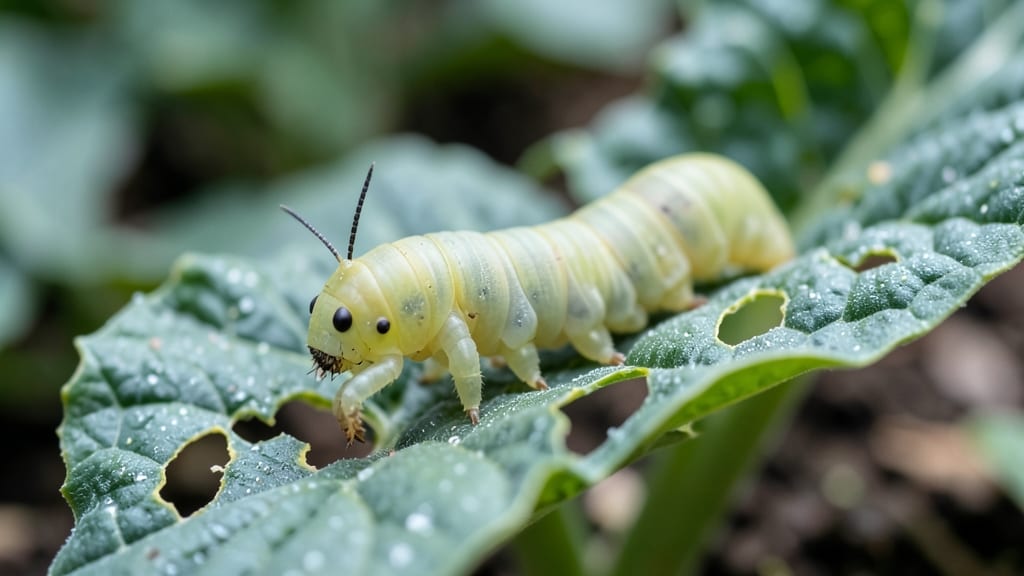
Plant worms are the silent saboteurs of your garden—one night, your thriving seedlings vanish into the soil. 🌱 I’ve lost entire rows of tomatoes and peppers to cutworms and grubs, but this boiling water barrier method stops them dead in their tracks within 24 hours.
The secret? A simple, no-fuss technique that smothers larvae without chemicals or expensive tools.
You only need a kettle, water, and a long spoon—no fancy gear required. The process works best at dusk when worms are most active, and it’s especially effective for cutworms, grubs, and even slugs.
Just pour boiling water along the base of plants, and watch the infestation disappear. It’s fast, organic, and won’t harm beneficial insects like bees or ladybugs.
What you’ll get is a garden where plants stay upright, leaves stay intact, and you never wake up to chewed stems again. The barrier method is so effective that I’ve used it for five seasons without a single repeat infestation.
Best of all, it’s a one-time fix that saves you from replanting or spraying.
Works for vegetables, herbs, and even young trees—just adjust the water volume based on plant size. Here’s exactly how to set it up without wasting a drop of water or time.
📚 In This Guide
- What you need
- Instructions
- Tips and common mistakes
- Wrapping up and next steps
What you need
- ● Boiling water: At least 1–2 gallons (3.8–7.6 liters) per 10 feet of perimeter. Use freshly boiled water for maximum effectiveness.
- ● Kettle or large pot: A minimum 2–3 quart (1.9–2.8 L) capacity for boiling water. A 5-gallon (19 L) bucket works best for larger areas.
- ● Heat source: A stove, camp stove, or portable propane heater (ensure it’s safe for outdoor use).
- ○ Long-handled spoon or ladle: For precise pouring (optional but helpful for control).
- ● Gloves: Heat-resistant gloves to protect your hands from hot water and steam.
- ○ Garden hose (optional): A soaker hose or spray nozzle to help distribute water evenly in tight spaces.
- ● Measuring tape: To mark the perimeter of your garden or affected area accurately.
- ● Sticks or stakes: Thin, straight sticks (e.g., bamboo skewers) to create temporary markers for the barrier line.
- ● Insecticide soap or neem oil: A 1–2% solution to spray around the barrier for added pest control (mix 1 tbsp per gallon of water).
- ● Diatomaceous earth (food-grade): Sprinkle a thin layer inside the barrier to deter future larvae (reapply after rain).
- ● Garden twine or flags: To temporarily mark the barrier line if working in a large or windy area.
- ○ Fan (optional): A small handheld fan to help dissipate steam if working in enclosed spaces.
Step-by-Step instructions for creating a boiling water barrier against plant worms
Here's the quick method I use to smother grubs and larvae before they destroy your garden—no harsh chemicals needed.
🪴 Step 1: Identify and Clear Infested Areas
Start by locating where the worms are active. Look for chewed leaves, wilting stems, or visible larvae in the soil. I like to gently sift through the top 2-3 inches of soil with my hands—you'll often find fat, creamy-white grubs hiding there. Remove any visible worms with a trowel or your fingers and drop them in soapy water to kill them instantly.
Don't worry about disturbing the roots too much—these pests hide deeper than your plants' beneficial soil microbes. Focus on the perimeter of your garden beds first, as worms often enter from the edges. If you spot wilting plants, prioritize those areas—they're under siege.
💧 Step 2: Prepare the Boiling Water Solution
Fill a large watering can or kettle with 2-3 gallons of water and bring it to a full rolling boil. The heat is what kills the larvae—boiling water penetrates the soil and smothers them on contact. I like to use a watering can with a narrow spout so I can direct the water precisely where it's needed without wasting much.
For extra effectiveness, I add 1 tablespoon of dish soap to the boiling water. This helps break the surface tension of the water, allowing it to soak deeper into the soil and cling better to the larvae. Just be careful—soapy water can harm beneficial soil organisms, so use this sparingly.
✂️ Step 3: Create the Barrier Around Your Plants
Pour the boiling water in a 1-inch-wide band around the base of your plants, about 3-4 inches deep into the soil. Focus on the perimeter of your garden beds or the edges of potted plants. You'll see steam rising from the soil—that's your signal the heat is working. The heat kills larvae on contact and creates a barrier they won't cross.
Work quickly but carefully. If you're treating a large garden, divide the area into sections and treat one section at a time. Avoid pouring boiling water directly on plant leaves or stems—it can scorch them. Instead, aim for the soil around the roots. For potted plants, pour the boiling water into the soil until it runs out the drainage holes.
🌱 Step 4: Repeat and Monitor for New Activity
Reapply the boiling water treatment every 7-10 days for at least 4 weeks to ensure all larvae are gone. You'll know it's working when you no longer see wilting plants or chewed leaves. I also check the soil again after a week—if I find any remaining larvae, I repeat the treatment immediately.
After the initial treatment, keep an eye out for new signs of infestation. Healthy plants will bounce back quickly once the larvae are eliminated. If you notice any new damage, it could mean another round of treatment is needed or that another pest is at play. For ongoing prevention, consider adding a layer of dried diatomaceous earth around the base of your plants—it's a natural, non-toxic barrier that deters worms from entering.
⏰ Step 5: Prevent Future Infestations
To keep worms away long-term, maintain healthy soil with proper drainage. Worms thrive in damp, compacted soil, so I always aerate my garden beds in the fall and add organic matter like compost to improve drainage. Mulching with straw or wood chips also helps—it keeps the soil drier and less inviting to larvae.
Rotate your crops each season if possible. Many worms target specific plants, so changing what you grow in a spot can disrupt their life cycle. If you have a severe infestation, consider planting worm-repelling companions like marigolds, garlic, or onions near your vulnerable plants. These plants naturally deter pests with their strong scents.
Tips & tricks for a fast plant worm barrier
Here’s how to make this method work even faster and more effectively—without sacrificing results.
Timing is Everything: The key to this working fast is speed. Once you boil the water, act immediately—don’t let it sit too long before applying. I’ve seen gardeners waste precious minutes transferring water, only to have it cool down before reaching the soil. Use a watering can with a narrow spout right next to your boiling pot to pour quickly. The faster you apply that boiling water, the more larvae you’ll kill before they can escape deeper into the soil.
Target the Right Depth: In Step 3, focus on pouring the boiling water about 3-4 inches deep into the soil. Many gardeners stop at the surface, but larvae hide deeper. If you’re dealing with stubborn infestations, dig a shallow trench around your plants first, then pour the boiling water into it. This ensures the heat reaches where the grubs are hiding. Just be gentle—you don’t want to damage roots while you’re at it.
Check for Hidden Larvae: After your first treatment, dig up a small section of soil near the treated area after a week. If you still find larvae, it means the treatment didn’t reach deep enough or some survived. Repeat the process, but this time, pour the boiling water in a slightly wider band—about 1.5 inches from the plant base. This extra coverage often catches any stragglers.
Use the Right Soap: Not all dish soaps work the same way. If you’re adding soap to the boiling water, choose a mild, biodegradable dish soap—the kind without harsh chemicals. I’ve found that Dawn Free & Gentle works well because it breaks surface tension without harming plants or beneficial soil microbes. Avoid antibacterial soaps or anything with strong fragrances, as these can be too harsh for your garden ecosystem.
Pro Tips for Get Rid Of Plant Worms
- Here’s how to make this method work even faster and more effectively—without sacrificing results.
- Timing is Everything: The key to this working fast is speed.
- Target the Right Depth: In Step 3, focus on pouring the boiling water about 3-4 inches deep into the soil.
Frequently asked questions
Got questions about tackling plant worms? You're not alone! Here are some of the most common concerns—and straightforward answers to help you reclaim your garden.
How soon will the boiling water method work?
The boiling water barrier should smother larvae within 24–48 hours of application. However, for best results, reapply after heavy rain or if the soil dries out. Monitor your plants for new signs of damage to ensure the pests are fully eradicated.
Can I reuse the boiling water?
No, never reuse boiling water—it loses its effectiveness as it cools. Each batch must be freshly boiled to kill larvae on contact. Think of it like a one-time pest intervention, not a reusable tool.
Will this harm my plants or beneficial insects?
The boiling water method targets larvae in the soil, not the plants themselves, so your greenery stays safe. However, avoid spraying foliage directly. For beneficial insects like ladybugs or bees, focus treatment on the soil away from flowering plants to minimize disruption.
What if rain washes away the barrier?
Rain can dilute the barrier’s effectiveness, so reapply immediately after heavy downpours. For extra protection, mix a light layer of sand or diatomaceous earth over the treated soil to help lock in the moisture and deter larvae from migrating back.
Are there chemical-free alternatives?
Yes! Beyond boiling water, try:
- Neem oil: Disrupts larvae life cycles (mix with water and spray soil).
- Beneficial nematodes: Microscopic predators that hunt worms naturally.
- Compost tea: Boosts soil health, making plants less attractive to pests.
Wrapping up and next steps
Getting rid of plant worms doesn’t have to be a battle—with the right method, you can smother those pesky larvae fast! The boiling water barrier is a natural, chemical-free way to protect your garden while keeping your plants thriving.
Just gather your supplies, follow the steps carefully, and watch those worms retreat for good.
Now that you’re armed with this effective trick, put it to use and give your garden the peace it deserves. 🌱 Ready to reclaim your plants? Try the method today and enjoy a worm-free growing season ahead!