
Pests
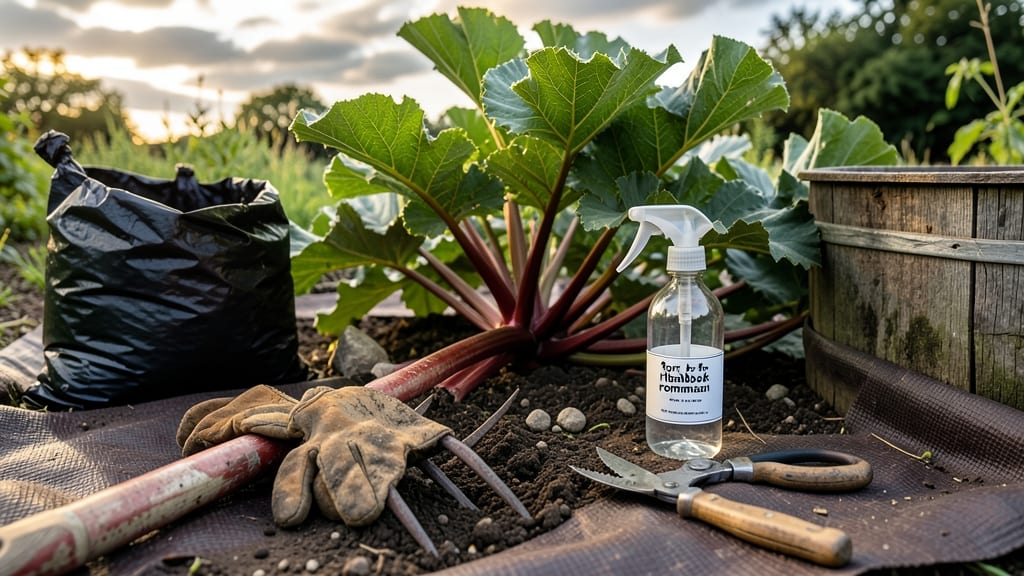
How to get rid of rhubarb pests—those relentless chewed leaves and wilting stalks—starts with a surprising weapon: boiling water. Those culprits are likely rhubarb curculio larvae, and this method smothers them for good without leaving harmful chemical residues in your soil. This isn’t just about saving your plants—it’s about reclaiming your garden the natural way.
The trick lies in precision: pour boiling water directly into the soil around the base of infected plants, targeting where larvae hide. It’s brutal but effective—no lingering toxins, just instant results.
You’ll need a kettle (or large pot) of water, a long-handled spoon for stirring, and a steady hand to avoid scorching nearby plants. The key is timing: do this in early spring before pests become active.
Within days, you’ll notice new growth pushing through unscathed, and the pests will be history. The soil stays safe for future planting, and your rhubarb will rebound stronger than ever. This method works for other garden pests too, making it a versatile trick for any gardener’s toolkit.
Fair warning: if your rhubarb is beyond saving, consider removing it entirely—those persistent rhizomes can spread pests to other plants. But with boiling water, you can often turn things around without losing your crop. Here’s how to do it right the first time.
📚 In This Guide
- What you need
- Instructions
- Tips and common mistakes
- Wrapping up and next steps
What you need
- ● Boiling water: At least 1 gallon per 10 feet of garden bed (adjust based on bed size). Use freshly boiled water for maximum effectiveness.
- ● Kettle, large pot, or watering can: A 5+ gallon capacity to hold boiling water safely. A watering can with a narrow spout works best for precision.
- ● Protective gear: Heat-resistant gloves (to avoid burns)
- ● Long sleeves and closed-toe shoes
- ○ Safety goggles (optional but recommended)
- ● Garden hose or water source: For rinsing the area afterward (if needed).
- ○ Garden trowel or small shovel: To gently loosen soil around the base of the rhubarb plant (optional but helpful for deeper pest access).
- ● Dish soap (1 tsp per gallon): Adds a light surfactant to help water penetrate soil and plant debris better.
- ● Neem oil or garlic spray: 1 tbsp per gallon of water—mix with the boiling water for an extra pest-repellent boost.
- ● Plastic sheeting or tarp: Lay down to protect surrounding plants or soil from accidental splashing.
- ● Timer or watch: To ensure you apply the boiling water for the optimal 10-15 seconds per section.
Step-by-Step instructions for eliminating rhubarb pests with boiling water
Here's the straightforward method I've used to clear stubborn rhubarb pests without chemicals.
Identify and Locate the Pest Problem
Start by examining your rhubarb plants closely. Look for telltale signs like chewed leaves, sawdust-like frass (insect droppings), or small holes in the stalks. The most common culprits are rhubarb curculio larvae, which burrow into the stalks and make them unusable. Focus on the base of the plant where stalks meet the soil—this is where larvae hide.
Gently lift a few stalks to check for tunnels or small holes. If you find these, you'll know exactly where to target the boiling water treatment. The key is precision—you want to hit only the affected areas without damaging healthy plant tissue. I like to mark the problem zones with small sticks or flags before treatment to ensure I cover everything.
Prepare the Boiling Water Solution
Fill a large pot or kettle with enough water to cover the base of the plant where pests are active. Bring the water to a full rolling boil—this ensures the temperature is high enough to kill larvae on contact. For best results, use about 2-3 gallons of water per treatment session, depending on the size of your plant.
Add a tablespoon of dish soap to the boiling water. The soap helps break the surface tension of the water, allowing it to penetrate the soil and stalks more effectively. This also helps the water cling to the plant stems, ensuring pests don't escape the heat. Let the mixture boil for an additional 2-3 minutes to maintain the high temperature before applying.
Apply the Boiling Water Barrier
Carefully pour the boiling water directly onto the base of the plant, focusing on the areas where you identified pest activity. Start at the soil line and work your way up the stalk, ensuring the water covers the entire affected zone. The steam and heat will smother the larvae instantly, killing them on contact. Be cautious—wear gloves and protective clothing to avoid burns.
Repeat this process for all affected stalks and plants. You may need to treat multiple plants if the infestation is widespread. After applying the boiling water, let the area cool completely before touching the plants again. This method is most effective when applied in the early morning or late evening when pests are most active and the air is cooler.
Monitor and Repeat as Needed
Check the treated plants after 3-5 days to see if any new signs of pest activity appear. Look for fresh holes, chewed leaves, or frass. If you still see signs of pests, repeat the boiling water treatment. Often, a second application is enough to fully eliminate the larvae, especially if you've been consistent with your checks.
To prevent future infestations, consider adding a layer of mulch around the base of your rhubarb plants. Mulch helps deter pests by creating a barrier they're less likely to cross. You can also rotate your planting locations if you've had repeated issues in the same spot—this disrupts the pest's life cycle and reduces their ability to reinfest your plants.
Maintain Plant Health Post-Treatment
After eliminating the pests, focus on keeping your rhubarb plants healthy to prevent future infestations. Ensure they receive adequate water—rhubarb thrives with 1-2 inches of water per week, especially during dry spells. Overwatering can create conditions that attract pests, so balance is key.
Fertilize your rhubarb lightly in early spring with a balanced, organic fertilizer to encourage strong growth. Healthy plants are more resilient and less susceptible to pest attacks. Prune any damaged or diseased leaves promptly to keep the plant in top condition. With consistent care, your rhubarb should bounce back stronger and pest-free.
Tips & tricks for eliminating rhubarb pests effectively
Real talk: I've battled rhubarb pests for years, and these tricks make all the difference between frustration and success.
Precision Pays Off: When you mark problem zones with small sticks or flags before treatment (as mentioned in Step 1), you're not just being organized—you're ensuring the boiling water hits exactly where it needs to. I've seen people miss spots because they didn't mark them first, and those missed areas become new infestation hotspots. Take the extra 5 minutes to mark—it's worth it.
Timing Secret: The 2-3 minutes of additional boiling time for the water solution (Step 2) isn't just about maintaining temperature—it's about building steam pressure. That extra time creates more aggressive steam that penetrates deeper into plant tissue where larvae hide. Think of it like preheating your oven: the longer you let it build, the more effective the final application will be.
Safety First: I can't stress this enough: wear gloves and protective clothing when applying the boiling water (Step 3). The steam burns are real, and they're painful. I've seen gardeners rush this step and regret it later. Also, consider using a long-handled ladle or pouring spout to keep your hands even farther away from the heat source—trust me on this.
Monitoring Matters: The 3-5 day check after treatment (Step 4) is your best friend for catching early signs of reinfestation. I've learned that pests sometimes hide deeper than we think, and a quick visual inspection can save your entire crop. Keep a small notebook nearby to track which plants you've treated and when—it'll help you stay organized during follow-up checks.
Pro Tips for Get Rid Of Rhubarb
- Real talk: I've battled rhubarb pests for years, and these tricks make all the difference between frustration and success.
- Precision Pays Off: When you mark problem zones with small sticks or flags before treatment (as mentioned in Step 1), you're not just being organized—you're ensuring the boiling water hits exactly where it needs to.
- Timing Secret: The 2-3 minutes of additional boiling time for the water solution (Step 2) isn't just about maintaining temperature—it's about building steam pressure.
Frequently asked questions
How long does the boiling water barrier method last to protect rhubarb?
The boiling water barrier typically lasts 1–2 weeks before rain or irrigation dilutes it. Reapply after heavy watering or storms to maintain effectiveness. For best results, treat in early spring before pests like rhubarb curculio lay eggs.
Will boiling water harm my rhubarb plants or soil?
No—when applied correctly, boiling water only smothers larvae in the soil surface without damaging mature plants. Avoid pouring directly on leaves or stems. The heat kills pests but doesn’t linger long enough to harm beneficial microbes or roots.
What if I don’t have access to boiling water?
No problem! Alternatives include:
- Vinegar spray: Mix 1 gallon water + 1 cup white vinegar + 1 tbsp dish soap. Spray soil around plants (avoid leaves).
- Neem oil: Dilute 2 tbsp neem oil in 1 gallon water + 1 tsp soap. Apply as a soil drench.
- Diatomaceous earth: Sprinkle a thin layer around the base (reapply after rain).
How do I know if my rhubarb has pests before treating?
Check for these signs:
- Chewed leaves (irregular holes or notches).
- Small, brown larvae in soil or under leaves.
- Stunted growth or wilting despite healthy soil.
Can I use this method on other garden plants?
Yes! The boiling water barrier works on strawberries, asparagus, and brassicas (like cabbage) to kill soil-dwelling pests. Just avoid delicate plants (e.g., lettuce) where heat might stress roots. For container plants, use a 1:1 water-to-boiling-water ratio to prevent overheating.
Wrapping up and next steps
Getting rid of rhubarb pests doesn’t have to be a battle—with a simple boiling water barrier, you can smother larvae naturally and protect your garden with ease! 🌱 By following these steps, you’ll save time, avoid harsh chemicals, and keep your rhubarb thriving for seasons to come.
Now that you’re armed with this effective, eco-friendly method, take action today! Check your rhubarb plants for signs of pests, gather your supplies, and create that protective barrier. Your garden—and future harvests—will thank you! 💪