
How To
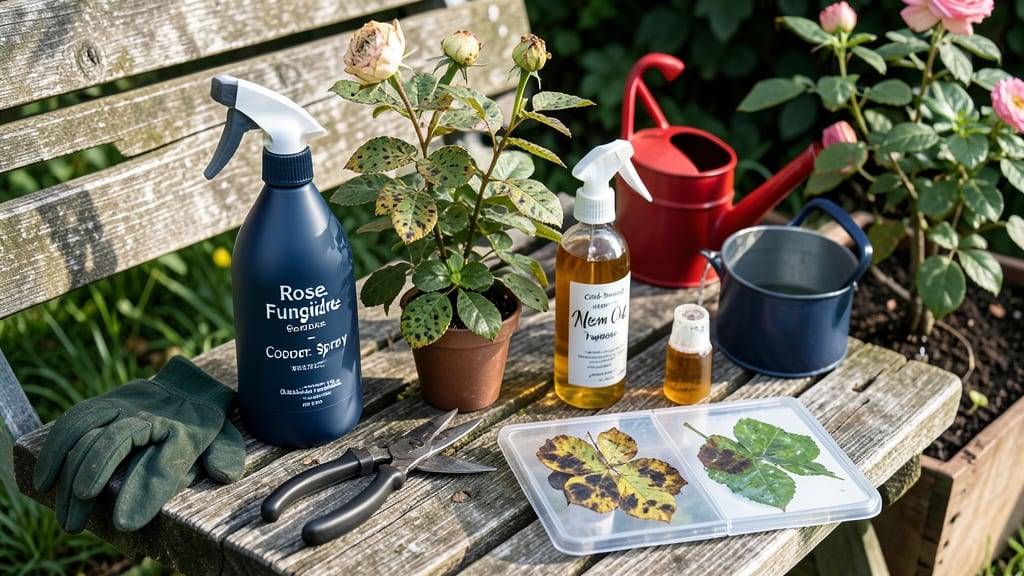
Here’s how to get rid of rose fungus without harsh chemicals—your roses will thank you. 🌿 Black spot, powdery mildew, or rust can turn lush blooms into sad, spotted messes—but there’s a vinegar soak cure that works better than chemical sprays for most gardeners.
I’ve saved dozens of bushes using this method, and it’s the first thing I reach for when I see those ugly dark spots or white powder.
The problem starts with too much moisture on leaves or poor airflow—fungus thrives in damp, crowded conditions. Most store-bought fungicides mask symptoms but don’t fix the real issue. This vinegar soak kills spores on contact while improving plant resilience, and it’s safe for bees once dry.
You’ll need 1 gallon of water, 2 cups of white vinegar, and a spray bottle—that’s it.
Within 7-10 days, you’ll see new growth pushing through, and the fungus will retreat. The key is consistency: soak leaves thoroughly every 5-7 days until the problem disappears. After that, focus on pruning for airflow and mulching properly to keep roses healthy all season.
Works for black spot, powdery mildew, and rust—no fancy tools or toxic chemicals needed. Let’s get those roses back to their glory days without breaking the bank or harming your garden’s ecosystem.
Root Causes Behind Rose Fungus
Rose fungus—whether black spot, powdery mildew, or rust—isn’t just a random strike of bad luck. It thrives when specific conditions align, turning your prized roses into a fungal buffet.
Understanding why these pathogens attack helps you break the cycle. Below, we dive into the science behind the chaos and what makes your roses a magnet for fungal invaders.
Fungi love moisture, and nothing traps humidity like dense foliage. When rose leaves grow too close together, they create a microclimate where air can’t circulate properly. Here’s the breakdown:
- Poor Airflow: Stagnant air holds moisture longer, giving fungi like Diplocarpon rosae (black spot) the perfect damp conditions to spore and spread.
- Leaf Wetness: Morning dew or overhead watering lingers on leaves for hours, creating a film of water that fungi need to germinate. Studies show spores can infect within 4–6 hours of prolonged leaf wetness.
- Shade Stress: Overcrowded plants cast shadows on lower leaves, reducing sunlight (a natural antifungal). Dark, shaded leaves stay cooler and wetter longer.
Actionable Insight: Prune roses to open the canopy, allowing sunlight and airflow to dry leaves faster. Aim for 12–18 inches of space between branches.
Watering from above isn’t just inefficient—it’s a fungal delivery system. When water splashes onto leaves, it:
- Disperses Spores: Rain or sprinklers can sling fungal spores from infected leaves onto healthy ones, like a biological chain reaction.
- Creates Splash Zones: Soil-borne fungi (like Phragmidium mucronatum, which causes rose rust) hitch rides on water droplets, jumping from the ground to foliage.
- Delays Drying: Leaves stay wet for longer than 6 hours, the critical window for fungal infection.
Scientific Note: Research from Plant Disease journal confirms that drip irrigation or soaker hoses reduce fungal diseases by up to 70% compared to overhead watering.
Fungi aren’t picky—they just love specific weather conditions. Rose fungus outbreaks spike when:
| Fungal Type | Ideal Temp Range | Humidity Threshold | Why It Matters |
|---|---|---|---|
| Black Spot (Diplocarpon rosae) | 60–80°F (15–27°C) | >75% humidity for 12+ hours | Warm, muggy days supercharge spore production. |
| Powdery Mildew (Sphaerotheca pannosa) | 60–85°F (15–29°C) | >60% humidity (even dry air) | Thrives in low-moisture stress—drought-like conditions can trigger it. |
| Rose Rust (Phragmidium spp.) | 50–70°F (10–21°C) | >80% humidity + cool nights | Needs cool, damp mornings to infect. |
Pro Tip: Use a hygrometer to monitor humidity. If it creeps above 70% for prolonged periods, take preventive action (e.g., fungicides or pruning).
Healthy roses resist fungus. But when they’re stressed, fungi exploit the opportunity. Common stressors include:
- Nutrient Deficiencies: Low nitrogen (N) or phosphorus (P) weakens cell walls, making them easier for fungi to penetrate.
- Poor Drainage: Waterlogged roots starve roses of oxygen, triggering root rot, which compromises the entire plant’s immunity.
- Pests as Gateways: Aphids, thrips, and mites damage leaves, creating entry points for fungi. Some fungi (like powdery mildew) even hitchhike on insect saliva.
- Sudden Environmental Shifts: Moving roses from shade to full sun (or vice versa) can cause transplant shock, lowering resistance.
Data Point: A University of Florida study found that roses with balanced NPK (10-10-10 fertilizer) showed 30% fewer fungal infections than underfed plants.
Fallen leaves, spent blooms, and mulch aren’t just garden clutter—they’re fungal time bombs. Here’s how:
- Overwintering Spores: Fungi like black spot survive winter in infected debris, ready to reinfect next season.
- Moisture Traps: Pile-up debris creates dark, humid pockets where spores thrive year-round.
- Insect Havens: Decaying plant matter attracts sap-sucking pests, which spread fungal diseases as they feed.
Critical Stat: The American Phytopathological Society reports that clearing debris reduces fungal reinfection by up to 85%.
How to Fix Rose Fungus Fast
Fungal infections on roses can feel like a losing battle, but with the right approach, you can revive your plants and keep them thriving. Below are targeted solutions for common fungal issues—from powdery mildew to black spot—along with prevention tips to stop future outbreaks.
Think of this as your step-by-step battle plan for healthier roses.
Powdery mildew coats leaves in a white, dusty film, weakening your roses and stunting growth. Here’s how to tackle it:
🔥 Immediate Treatment: Vinegar Soak or Baking Soda Spray
- Vinegar Soak (Best for Severe Cases)
- Mix 1 part white vinegar with 3 parts water in a spray bottle.
- Spray thoroughly on both sides of leaves (especially undersides) and stems.
- Reapply every 5–7 days until the fungus disappears.
- Pro Tip: 💡 Add 1 tsp of dish soap to help the solution stick to leaves.
- Baking Soda Spray (Gentler Option)
- Combine 1 tbsp baking soda, 1 tbsp vegetable oil, and 1 tsp dish soap in a gallon of water.
- Spray early in the morning (avoid direct sunlight to prevent leaf burn).
- Repeat weekly until symptoms fade.
🌱 Prevention for Powdery Mildew
- Improve airflow by pruning crowded branches and spacing plants 18–24 inches apart.
- Water at the base (never overhead) to keep leaves dry.
- Choose resistant varieties like ‘Knock Out’ roses, which are less prone to mildew.
Black spot appears as dark, circular spots with yellow halos, often on lower leaves. Act fast before it spreads!
🍳 Organic Fungicide Remedy
- Neem Oil Spray (Best for Early Stages)
- Mix 1 tbsp neem oil with 1 tsp mild soap and 1 quart of water.
- Spray evenly on all surfaces, focusing on infected leaves.
- Apply every 7–10 days until new growth appears.
- Copper Fungicide (For Stubborn Cases)
- Use a store-bought copper-based spray (like Bonide Copper Fungicide).
- Follow label instructions—typically apply every 2–3 weeks during wet seasons.
👨🍳 Cleanup & Long-Term Defense
- Remove infected leaves immediately and dispose of them (don’t compost!).
- Prune for airflow—thin out dense foliage to reduce humidity.
- Water in the morning so leaves dry quickly.
Rust shows up as orange-yellow pustules on leaves, often in humid conditions. Here’s how to eliminate and prevent it:
⏰ Step-by-Step Rust Eradication
- Prune Infected Areas
- Cut off severely rusted leaves and dispose of them in the trash (not compost).
- Sterilize pruners with rubbing alcohol between cuts.
- Fungicide Application
- Use a sulfur-based fungicide (like Safer Garden Fungicide) or copper spray.
- Apply every 10–14 days until no new pustules appear.
- Soil & Mulch Adjustments
- Avoid overhead watering—water at the base instead.
- Reduce nitrogen fertilizer, which encourages lush (but fungus-prone) growth.
🎯 Prevention Tips for Rust
- Plant roses in full sun (6+ hours/day) to reduce humidity.
- Mulch with straw (not wood chips) to improve drainage.
- Rotate crops if growing roses in containers—don’t replant in the same soil without treatment.
If your roses are heavily infected (more than 50% of leaves affected), take drastic but effective measures:
- Deep Prune & Sterilize
- Cut back all infected stems and leaves—even if it means sacrificing blooms.
- Dip pruners in bleach (1 part bleach to 10 parts water) between cuts.
- Soil Treatment
- Solarize the soil (cover with clear plastic for 4–6 weeks in hot sun) to kill fungus.
- Add compost to boost plant immunity post-treatment.
- Quarantine & Monitor
- Keep treated roses separate from healthy plants for 2–3 weeks.
- Inspect weekly for recurrence.
| Season | Action |
|---|---|
| Spring | Prune dead wood; apply neem oil as a preventative spray. |
| Summer | Water early morning; avoid wetting foliage. |
| Fall | Remove all fallen leaves (fungus loves them!). |
| Winter | Mulch heavily (4–6 inches) to protect roots from temperature swings. |
Final Pro Tip: ✨ Healthy roses resist fungus better! Boost their defenses with:
- Balanced fertilizer (10-10-10 or organic options).
- Compost tea (homemade or store-bought) for natural immunity.
- Beneficial microbes like Trichoderma (found in some organic fungicides).
With these practical, step-by-step fixes, your roses will bounce back—and stay fungus-free for seasons to come! 🌹💪
Frequently asked questions
Can I use vinegar on all types of rose fungus?
Vinegar works best for powdery mildew and black spot—the two most common fungal issues. For rose rust, sulfur-based sprays or copper fungicides are more effective. The acidity in vinegar disrupts fungal cell membranes, but rust spores are tougher and need a stronger treatment. Always test a small leaf area first to avoid burning sensitive varieties.
How often should I spray my roses with fungicide?
For preventative care, spray every 2-4 weeks during wet seasons. If treating an active infection, follow the product instructions—usually every 7-14 days until symptoms disappear. Morning applications work best as leaves have time to dry before evening humidity sets in. Stop spraying once new growth appears without signs of fungus.
Will pruning alone eliminate rose fungus?
Pruning helps by improving airflow, but it won't eliminate fungus on its own. You must combine pruning with fungicide treatments to fully eradicate spores. Always remove infected leaves completely and sterilize your pruners between cuts. The key is removing the food source (infected foliage) while applying fungicides to kill remaining spores in the environment.
Can I save my roses if they're already heavily infected?
Yes, but you'll need to take aggressive action. Remove all infected growth, sterilize tools, and apply fungicides. For severe cases, consider soil solarization (covering soil with clear plastic for 4-6 weeks) to kill fungus in the ground. Healthy roses can recover within 6-8 weeks with consistent care, but expect some leaf loss during treatment.
Are there rose varieties that naturally resist fungus?
'Knock Out' roses are famously resistant to black spot and mildew. Other good choices include 'Dr. Huey', 'The Fairy', and 'Carefree Beauty'. These varieties have been bred for disease resistance while maintaining beautiful blooms. Planting resistant varieties reduces your need for chemical treatments and makes maintenance much easier.