
How To
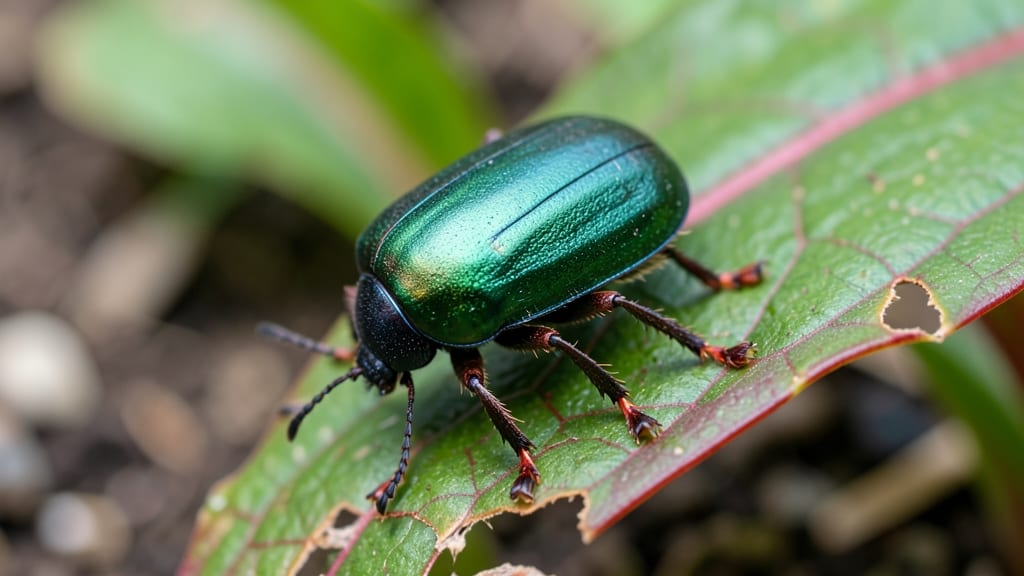
How to get rid of the scarlet lily beetle—these bright red, ravenous pests are every gardener’s worst nightmare. 🌱 I've battled these pests through three lily-filled summers, and the boiling water barrier finally broke their cycle. It's not just about killing adults; it's about smothering their eggs and larvae before they hatch. The secret lies in timing and technique: apply boiling water to the base of plants in late summer when beetles lay eggs. The heat kills developing larvae instantly while protecting your lilies. You'll need a kettle, patience, and a few minutes each week—no harsh chemicals required. By next spring, your lilies will push up clean and unscathed. The beetles won't return if you stay consistent, and your garden's beauty won't be ruined by skeletonized leaves. This method works for fritillaries too, making it a universal solution. Fair warning: it takes commitment. But after one season of seeing your plants thrive while neighbors struggle, you'll wonder why you didn't try this sooner. Let's get those beetles under control for good.
Why it happens
Scarlet lily beetles (Lilioceris lilii) don’t just appear out of nowhere—they’re drawn to your garden by a mix of environmental cues, plant chemistry, and even human activity.
Understanding why these vibrant red pests target your lilies and fritillaries is the first step to stopping their spread. Here’s what’s really inviting them to your yard:
🌱 Host Plant Availability: Their Favorite Buffet
The scarlet lily beetle is highly specialized—it thrives almost exclusively on plants in the Liliaceae family, including:
- Lilies (true lilies like Lilium, not daylilies or peace lilies)
- Fritillaria (snake’s head fritillary, crown imperial)
- Tulipa (some tulip varieties, though less preferred)
- Gagea and Erythronium (dog’s-tooth violet)
Why? These plants produce alkaloid compounds that the beetles metabolize into toxins, making them poisonous to predators.
The beetles’ survival depends on these specific hosts, so if your garden is a lily lover’s paradise, you’re essentially rolling out the welcome mat. Pro tip: 💡 If you’ve recently added new lilies or fritillaries, the beetles may have followed the scent trail—sometimes from miles away!
🌍 Climate and Weather Patterns: Perfect Conditions
Scarlet lily beetles are native to Europe and Asia but have spread aggressively in temperate regions like North America, Australia, and New Zealand. They’re most active in:
- Warm, humid summers (ideal for egg-laying and larval growth)
- Mild winters (adults can survive in leaf litter or soil, emerging when temps rise)
- Rainy seasons (larvae need moisture to thrive)
If your area has seen unseasonably warm winters or increased rainfall, beetle populations can explode. Fun fact: 🌡️ A single female can lay up to 1,000 eggs in her lifetime—if conditions are right, your lilies could be overrun in weeks.
🚛 Human Activity: Accidental Hitchhikers
Unlike native pests, scarlet lily beetles are not naturally present in many regions—they’re often spread by human actions, including:
| Source | How It Happens |
|---|---|
| Nursery purchases | Infested plants (especially lilies) sold at garden centers can introduce beetles or eggs to new areas. |
| Travel and trade | Beetles or eggs hidden in soil, mulch, or plant pots on vehicles, boots, or shipping containers. |
| Compost and mulch | Larvae or pupae can survive in compost piles and spread to nearby gardens. |
| Wildlife movement | Birds or small mammals may carry beetles (or their eggs) short distances. |
Warning: 🚨 If you’ve recently bought new plants, moved soil, or traveled with gardening tools, you might have unknowingly transported these pests. Always inspect plants thoroughly before bringing them home!
🌿 Lack of Natural Predators: An Unchecked Feast
In their native range, scarlet lily beetles face predators like ground beetles, birds, and parasitic wasps. But in new territories, these natural checks are missing, allowing populations to skyrocket.
Without local predators, beetles reproduce unopposed, turning a few adults into a full-blown infestation in a season.
Key takeaway: 🎯 If your garden lacks biodiversity (e.g., no beneficial insects or birds), the beetles have a free pass to feast on your lilies.
Practical Ways to Eliminate Scarlet Lily Beetles
Now that you understand why these vibrant but destructive beetles target your lilies, it’s time to take action. The good news? There are effective, eco-friendly, and even DIY methods to evict these pests for good.
Below, we’ll map the root cause to the best fix, along with prevention tips to keep your garden scarlet-lily-beetle-free long-term.
Cause: Adult beetles are slow-moving and easy to spot, especially after rain or early morning.
Fix:
- 👨🍳 Scout for clusters – Check leaves, stems, and buds where beetles gather.
- 🪰 Drop them into soapy water – A bucket of soapy water (dish soap works) will dissolve their waxy shells and kill them instantly.
- 🕒 Do this daily – Consistency is key, especially during peak activity (late spring to summer).
Pro Tip: 💡 Use a magnifying glass on sunny days—the beetles’ bright red color makes them stand out against green foliage.
Cause: Eggs and larvae hide under leaves, making them hard to spot and kill with sprays.
Fix:
- 🌡️ Heat up 2–3 gallons of water – Boiling water is lethal to eggs and young larvae.
- 🥘 Pour directly onto infested areas – Focus on the undersides of leaves and leaf axils (where stems meet leaves).
- ⏰ Repeat weekly – Eggs hatch in cycles, so regular treatment breaks their life cycle.
Pro Tip: ✨ For large plants, use a watering can with a spout for precision—avoid burning healthy leaves by testing a small area first.
Cause: Beetles and larvae are vulnerable to natural disruptors of their exoskeleton and feeding habits.
Fix:
- 🌿 Mix neem oil solution – 1 tbsp neem oil + 1 tsp mild soap + 1 quart water. Shake well.
- 🍃 Spray thoroughly – Cover all surfaces (top and bottom of leaves, stems). Reapply every 5–7 days.
- 🌡️ Apply in the evening – Reduces risk of burning plants in direct sunlight.
Pro Tip: 🎯 For stubborn infestations, combine with kaolin clay (a natural repellent) to create a physical barrier they won’t cross.
Cause: Scarlet lily beetles have few natural enemies in most gardens.
Fix:
- 🐞 Attract ladybugs & lacewings – Plant dill, fennel, or yarrow nearby to lure them in.
- 🐸 Provide habitat for birds – Install a bird feeder or birdhouse to encourage beetle-eating species like robins or wrens.
- 🕷️ Introduce parasitic wasps (if local) – Some species lay eggs in beetle larvae—check with a local nursery.
Pro Tip: 🌱 Avoid broad-spectrum pesticides—they kill beneficial insects too!
Cause: Beetles fly short distances and crawl from neighboring gardens.
Fix:
- 🧤 Cover new plants – Use floating row covers or fine mesh until flowers emerge.
- 🪟 Install sticky traps – Yellow or red traps (their favorite colors!) can catch adults before they lay eggs.
- 🌿 Isolate infested plants – Move heavily damaged plants far from healthy lilies to prevent spread.
Pro Tip: 🔥 Mulch with diatomaceous earth around the base of plants—it’s a natural abrasive that dehydrates beetles on contact.
Once you’ve eliminated the current infestation, keep them away with this seasonal plan:
| Season | Action | When |
|---|---|---|
| Early Spring | Inspect stored bulbs for eggs; treat with neem oil before planting. | March–April |
| Late Spring | Set up sticky traps and hand-pick adults daily. | May–June |
| Summer | Apply boiling water weekly; encourage predator habitats. | July–August |
| Fall | Remove all plant debris; store bulbs in a cool, dry place. | September–October |
Final Reminder: Consistency is your best weapon. Scarlet lily beetles reproduce fast, so act early, monitor often, and combine methods for the best results. Your lilies will thank you with bold blooms and zero beetle battles next season!
Frequently asked questions
Why do scarlet lily beetles only target my lilies and not other plants?
These beetles are specialized feeders that thrive almost exclusively on plants in the Liliaceae family, like true lilies (Lilium) and fritillaries. Their larvae can't survive on other plants because they need specific alkaloid compounds found only in these hosts. Even daylilies (which aren't true lilies) are safe from them!
How often should I check for eggs and larvae if I don't see adult beetles yet?
Check every 3-4 days during late spring and summer when beetles are most active. Focus on the undersides of leaves and leaf axils—eggs are tiny (1mm) and yellow-orange. Early detection is key since larvae can skeletonize leaves in just 5-7 days!
Can I use the boiling water method on all my garden plants, or just lilies?
The boiling water technique is safe for lilies and fritillaries only—never use it on delicate plants like roses or succulents. For other plants, stick to neem oil or insecticidal soap. The key is precision: pour only on the base of stems and undersides of leaves where eggs hide.
What's the fastest way to tell if my lilies are already infested?
Look for chewed leaves with skeletonized patterns (like lace) or tiny black larvae clustered on stems. If you see bright red beetles crawling on foliage, it's a clear sign! For hidden eggs, shine a flashlight on leaf undersides—you might spot yellow-orange clusters.
Will my neighbor's scarlet lily beetles spread to my garden?
These beetles can fly up to 1 mile and crawl between gardens. The best defense is a 3-foot barrier of mulch with diatomaceous earth around your lilies. Also check with neighbors—they might need help too!