
Pests
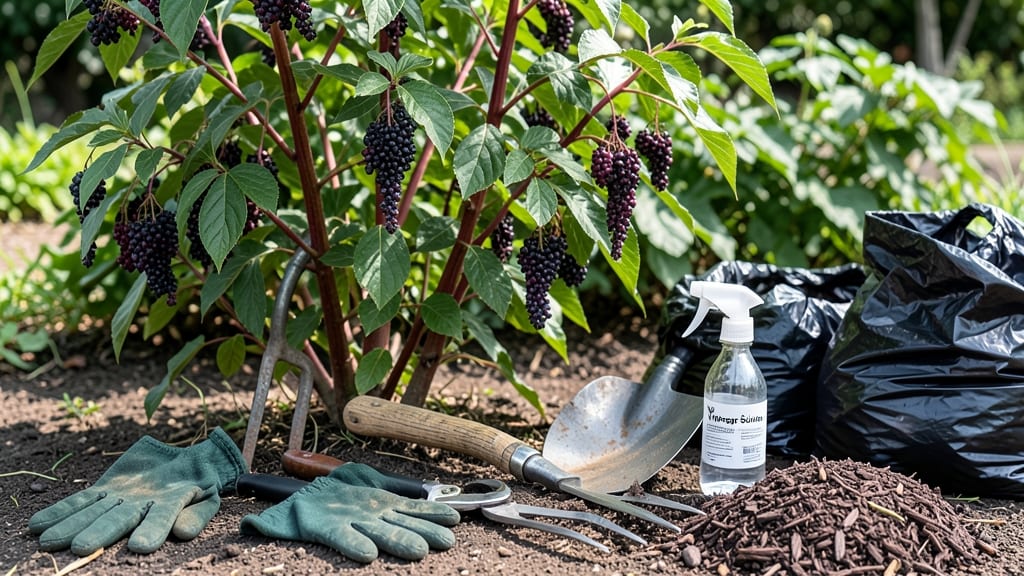
How to get rid of sticker bushes—the garden’s worst roommates—tenacious, invasive, and impossible to evict. 🌿 I've spent years battling these spiky invaders, and boiling water isn't just a trick—it's the only method that actually kills the roots on contact without leaving chemical residue behind. The problem? These bushes spread underground like weeds on steroids, and pulling them only makes them fight back harder. My first attempt with a shovel left stumps that sprouted new growth within weeks. Boiling water cuts through that stubborn root system, sealing the deal for good. By the end of this, you'll have a clear, weed-free zone where these bushes dare not return. The process takes less than 30 minutes per bush, and you'll avoid the mess of herbicides or the frustration of regrowth. Works for backyard borders, driveways, or even stubborn patches near fences. Let's reclaim that space—permanently.
Root Causes Of Stubborn Sticker Bushes
Sticker bushes—those spiky, thorny invaders—don’t just pop up overnight. Their persistence is the result of a mix of biological traits, environmental conditions, and even human activity. Understanding why they thrive (and spread) is the first step to outsmarting them. Let’s break down the science behind their stubbornness.
🌱 Rapid Seed Germination & Wind Dispersal
Sticker bushes (like Paliurus spina-christi or Berberis species) are masters of propagation. Their lightweight, barbed seeds are designed to hitchhike on wind, water, and even animals—including your shoes or pets’ fur. Once lodged in soil, these seeds germinate within days under the right conditions (warmth, moisture, and sunlight).
A single mature plant can produce thousands of seeds per year, ensuring a relentless cycle of regrowth.
Why it matters: If you’ve ever noticed a lone sticker bush in your yard, chances are its seeds have already spread far beyond what you see. Without intervention, one plant can become a patch in just a season.
🌿 Aggressive Root Systems & Underground Spread
Sticker bushes aren’t just tough above ground—they’re equally persistent below it. Many species develop extensive, fibrous root networks that spread horizontally, sometimes up to 10 feet or more from the parent plant. These roots can:
- ✅ Sprout new shoots from even small root fragments left in the soil.
- ✅ Compete aggressively with grass and other plants for water and nutrients.
- ✅ Survive drought by going dormant and regrowing when conditions improve.
If you’ve pulled a sticker bush and seen more pop up nearby, you’re likely dealing with these hidden roots. Partial removal = more work later.
🌞 Perfect Growth Conditions In Your Yard
Sticker bushes thrive in environments that mimic their native habitats—often dry, sunny, and disturbed areas. Here’s what gives them an edge:
| Factor | Why It Helps Sticker Bushes |
|---|---|
| 🔥 Full Sun Exposure | They need 6+ hours of direct sunlight daily to photosynthesize efficiently. Shady spots slow them down but don’t stop them entirely. |
| 💧 Well-Drained Soil | While they tolerate drought, they hate waterlogged soil. If your yard has sandy or rocky ground, they’ll flourish. |
| 🏗️ Disturbed or Compacted Soil | Construction, foot traffic, or even lawn mowing can loosen soil, making it easier for seeds to take root. |
| 🌡️ Warm Climates | They struggle in freezing temps (below 10°F) but bounce back quickly in spring. Northern climates may see them as annual pests. |
Pro tip: If your yard fits this description, sticker bushes see it as prime real estate. The good news? You can starve them out by altering these conditions (more on that later!).
🐾 Human & Animal Activity Accelerates Spread
We’re not just battling nature—sometimes, we’re the reason sticker bushes take over. Here’s how:
- 👟 Seed Transport: Seeds cling to shoes, tires, and pet fur, then drop into new areas. A single walk through an infested field can plant dozens of seeds in your yard.
- 🚜 Lawn Equipment: Mowers, trimmers, and even rakes can chop up roots and spread fragments, creating more plants.
- 🌿 Improper Disposal: Tossing sticker bushes in compost or leaving cuttings behind gives them a second chance to regrow.
- 🐕 Wildlife Help: Birds and small mammals eat the berries and disperse seeds via their droppings—nature’s free delivery service.
Key takeaway: Sticker bushes exploit our daily habits. Awareness is your first defense.
Now that you know why these plants are so hard to eradicate, the next step is how to stop them in their tracks. (Spoiler: Boiling water is your secret weapon—but we’ll get to that!) 🔥
Tactical Ways to Eliminate Sticky Invaders
Sticker bushes—those thorny, stubborn plants—can turn your garden into a tangled mess if left unchecked. But don’t worry! With the right approach, you can reclaim your yard without breaking a sweat.
Below, we’ve mapped out targeted solutions based on the root causes of sticker bush overgrowth, plus prevention tips to keep them from staging a comeback.
If your sticker bushes are still young or in small clusters, physical removal is your best first line of defense.
How to do it:
- 👨🍳 Put on protective gear – Gloves (preferably heavy-duty gardening gloves), long sleeves, and closed-toe shoes will shield you from thorns and sap.
- 🔪 Cut at the base – Use loppers or pruners to sever the stems as close to the ground as possible. This prevents regrowth from higher-up branches.
- 🌱 Pull stubborn roots – For smaller plants, grasp the base and twist gently to loosen the roots before yanking them out. Avoid breaking stems—this can lead to more regrowth.
- 🗑️ Dispose properly – Do NOT compost sticker bush debris. Bag it and throw it away to prevent spores from spreading.
✨ Pro Tip: Work on a dry, sunny day—soil is easier to dig, and the plants are less slippery.
For deep-rooted or widespread infestations, boiling water is a fast, chemical-free way to kill roots on contact without harming surrounding plants.
How to do it:
- 🔥 Boil 1–2 gallons of water – Use a large pot or kettle (safety first!).
- 🌿 Target the base – Pour the boiling water directly onto the sticker bush stems and root zone. Focus on the soil around the plant, as roots absorb heat quickly.
- 🌡️ Repeat weekly – Sticker bushes are tough, so repeat treatments for 2–3 weeks to ensure full eradication.
- 🌱 Monitor for regrowth – If new shoots appear, apply boiling water again or switch to a vinegar-based solution (see below).
⚠️ Warning: Avoid pouring boiling water near desirable plants—it can scorch them. Test a small area first.
If you prefer a non-boiling method, a vinegar-salt mix acts as a fast-acting herbicide that dissolves plant tissues.
How to do it:
- 🍶 Mix 1 gallon of white vinegar with 1 cup of salt and 1 tbsp of dish soap (as a surfactant).
- 🌿 Spray generously – Focus on leaves and stems, ensuring full coverage. The salt disrupts cell function, while vinegar dehydrates the plant.
- 🌞 Apply on a sunny day – Heat enhances the effectiveness of the spray.
- 🔄 Reapply every 3–5 days until the plant turns brown and dies.
💡 Pro Tip: For large patches, use a hose-end sprayer to cover more ground efficiently.
If sticker bushes keep returning, cutting off sunlight is a low-effort, high-impact strategy.
How to do it:
- 🌿 Cover the area – Lay down cardboard, thick mulch, or black plastic sheeting over the infested zone. This blocks light, starving the roots of energy.
- 🪴 Add a weight – Place rocks, bricks, or a tarp on top to keep the smothering material in place.
- 🌱 Wait 4–6 weeks – The plants will decompose beneath the barrier.
- 🔄 Remove debris – Once dead, pull out remaining roots and replace with fresh mulch to prevent regrowth.
🎯 Best for: Large, established patches where manual removal would be too time-consuming.
Once you’ve banished the invaders, stop them from coming back with these long-term strategies:
- 🌱 Plant competitive ground covers – Clover, creeping thyme, or dense grass outcompete sticker bushes for space.
- 🪴 Install barriers – Landscape fabric under mulch prevents seeds from sprouting.
- 🌿 Regular inspections – Check your yard monthly for new sprouts, especially after rain (when seeds germinate).
- 🚫 Avoid over-fertilizing – Sticker bushes thrive in rich soil; keep nitrogen levels balanced.
- 🔥 Maintain firebreaks – If wild sticker bushes are nearby, clear a 10-foot buffer zone around your property.
Final Thought: Sticker bushes are tenacious, but with the right mix of manual effort, heat treatment, and smart prevention, you can reclaim your garden for good. Start with boiling water or vinegar for quick kills, then smother and mulch for long-term peace. Happy gardening! 🌿🔥
Frequently asked questions
Why does boiling water work better than pulling sticker bushes?
Boiling water kills the roots on contact, preventing regrowth that happens when you leave root fragments in the soil. Pulling often leaves behind pieces that sprout new plants, while boiling water delivers instant heat shock to the entire root system—no second chances for these stubborn invaders.
Can I use vinegar instead of boiling water for large patches?
Yes! A 1-gallon vinegar + 1-cup salt + 1-tbsp dish soap mix works well for large areas, but it requires reapplication every 3-5 days until the plants die. For speed, boiling water is more effective for single plants, while vinegar is better for wide coverage without equipment.
How do I prevent sticker bushes from spreading after removal?
Create a 10-foot buffer zone around treated areas using landscape fabric or dense mulch. Regularly check for new sprouts (especially after rain) and remove them immediately. Avoid composting any plant debris—always bag and dispose of it properly.
Will these methods harm my lawn or other plants?
Boiling water should be applied carefully to avoid nearby plants, while vinegar solutions are selective but can damage grass. For lawn areas, use a targeted spray shield or opt for smothering methods (cardboard/plastic) which are safer for surrounding vegetation.
How long until I see results with boiling water treatment?
You'll typically see wilting within 24 hours and complete death in 1-2 weeks with weekly treatments. For stubborn roots, extend to 3 weeks of applications. Monitor for any new shoots—if they appear, treat immediately to prevent spread.