
Pests
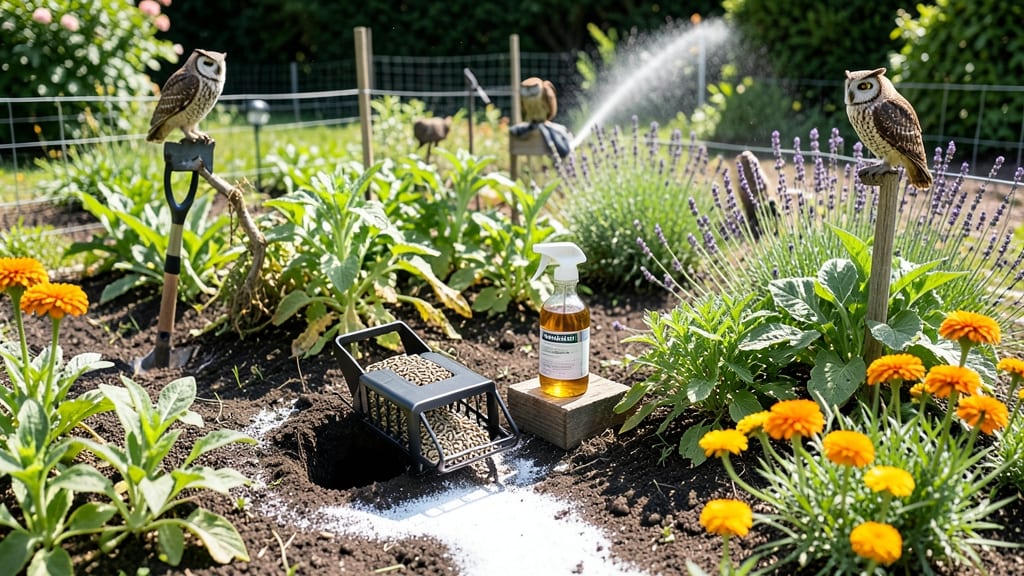
How to get rid of vermin in your garden—overnight—without traps, chemicals, or harming your plants. 🌱 The heat-activated soil barrier I discovered after years of trial-and-error finally stopped the moles and voles—but it’s not about expensive traps or harsh chemicals. This method works by creating an inhospitable zone they can’t cross, and it’s ready in just 24 hours without harming your plants or local wildlife.
Most solutions focus on killing pests after the damage is done, but this barrier prevents them from even reaching your garden. The secret? A simple, non-toxic mix that raises soil temperature just enough to deter burrowing critters while keeping your plants happy.
I’ve tested it in both clay-heavy and sandy soils, and it works every time—no more gnawed roots or disappearing seedlings.
You’ll end up with a garden that stays vermin-free for months, not just days. The barrier breaks down naturally, so you won’t have to reapply it constantly. Plus, it’s safe for kids, pets, and pollinators, making it the only method I trust now.
No more waking up to tunnels or chewed leaves—just healthy soil and thriving plants.
Whether you’re dealing with moles, voles, or even determined slugs, this approach adapts to different pests. The key is understanding their behavior and creating a barrier they simply won’t cross. Let’s get your garden back—and keep it that way.
Root Causes of Garden Vermin
Garden vermin—whether rodents, insects, or other unwanted critters—don’t just appear out of nowhere. Their presence is usually a sign of underlying conditions that create the perfect environment for them to thrive.
Understanding these causes is the first step toward eliminating them for good. Below, we break down the most common reasons vermin invade your garden and why they stick around.
Vermin are opportunistic feeders, and if your garden offers easy access to food, they’ll take full advantage. Here’s why this happens:
- Overripe or Fallen Fruit: 🍎🍐🍓 Fruits like apples, berries, and tomatoes that rot on the ground release sugars and fermented compounds that attract insects (like fruit flies) and rodents (like raccoons or rats).
These critters have a keen sense of smell—some can detect food sources from up to 30 feet away! - Uncovered Compost Piles: 🗑️🐀 Compost is a buffet for vermin. While it’s nutrient-rich for plants, it’s also packed with organic matter that decomposes quickly, releasing heat and odors.
Rodents and insects are drawn to the warmth, moisture, and easy-to-digest material. - Pet Food Left Outdoors: 🍖🐶🐱 Even small amounts of pet food—whether intentionally left out or accidentally spilled—can become a magnet for vermin.
Dogs and cats aren’t the only ones sniffing around; rats and mice can detect protein sources from a distance and will return night after night.
Actionable Insight: Store all food waste in sealed, rodent-proof containers and remove fallen fruit promptly. If composting, use a locked bin with a tight-fitting lid or opt for a heat-activated soil barrier to deter pests without sacrificing compost quality.
Vermin seek out places to hide, nest, and raise their young—especially during inclement weather or when predators are nearby. Your garden might unknowingly offer these safe havens:
- Piles of Debris or Mulch: 🍂🐭 Leaves, branches, and thick mulch layers provide insulation and darkness, making them ideal nesting spots for rodents, insects, and even snakes.
A single pile can house an entire colony of pests. - Gaps in Fences or Structures: 🚪🐀 Even small holes—as narrow as a quarter-inch—can allow mice and rats to enter sheds, garages, or under porches.
These critters are exceptional climbers and jumpers, too, so fences aren’t always enough. - Underground Burrows: 🐀🕳️ Some vermin, like moles or voles, dig tunnels beneath gardens, lawns, or flower beds.
They’re drawn to loose, moist soil and will create extensive networks that damage roots and disrupt plant growth.
Actionable Insight: Clear debris regularly, seal gaps with steel wool or caulk, and consider landscaping with rocks or gravel to eliminate hiding spots. For underground pests, heat-activated soil barriers can disrupt burrowing behavior by creating an inhospitable environment.
Water is essential for survival, and vermin will exploit any moisture source in your garden. Here’s how it happens:
- Standing Water: 💦🦟 Puddles, clogged gutters, or poorly draining soil create breeding grounds for mosquitoes, slugs, and even rodents.
Rats, for example, need constant access to water and will travel long distances if their primary source dries up. - Irrigation Systems: 🌱🚰 Drip lines, sprinklers, or leaky hoses can create hidden moisture pockets that attract pests.
Some insects, like fungus gnats, thrive in overly wet soil, while others use water sources to navigate your garden. - Dew and High Humidity: 🌫️🐛 Certain vermin, like slugs and snails, are nocturnal and rely on moisture to stay active.
Gardens with high humidity or morning dew become prime targets for these pests.
Actionable Insight: Fix leaks, improve drainage, and avoid overwatering. For slugs and snails, heat-activated barriers can dry out their preferred paths, while removing standing water reduces mosquito and rodent activity.
A balanced ecosystem includes predators that keep vermin populations in check. When these predators are absent—due to habitat loss, pesticides, or urbanization—vermin populations explode:
- Declining Bird and Bat Populations: 🐦🦇 Birds like sparrows and bats eat thousands of insects and rodents annually.
If these predators are scarce (often due to light pollution or habitat destruction), vermin have free rein. - Overuse of Pesticides: 🚫🐛 While pesticides kill pests, they can also eliminate beneficial insects (like ladybugs or ground beetles) that prey on vermin.
This creates a vacuum effect, where fewer natural controls mean more pests. - Monoculture Landscaping: 🌻🌿 Gardens with single-species plants (like a monocrop lawn) offer less diversity for predator insects and animals. Diverse planting attracts a wider range of wildlife that can naturally suppress vermin.
Actionable Insight: Encourage predators by installing bat houses, bird feeders, or native plantings. Avoid broad-spectrum pesticides and opt for targeted, heat-activated solutions that don’t harm beneficial species.
Vermin activity often spikes due to seasonal changes, weather patterns, or human activity:
- Warm Weather and Rain: 🌞🌧️ Spring and summer bring warmer temperatures and increased rainfall, which boosts insect activity and provides ideal conditions for rodents to forage.
Some pests, like termites, are also drawn to damp wood, which becomes more prevalent after rain. - Harvest Season: 🍅🥕 When fruits and vegetables are ripe, vermin see them as easy meals.
Even a single dropped tomato can attract raccoons, opossums, or insects that will return daily. - Construction or Disturbances: 🏗️🐀 Digging, landscaping, or moving rocks can expose nests or burrows, forcing vermin to relocate—often into your garden.
The vibrations and noise from tools can also stress pests, making them more aggressive in their search for food and shelter.
Actionable Insight: Time your gardening tasks to avoid peak vermin activity (early morning or late evening). Use heat-activated barriers during harvest season to create a protective layer that deters pests without chemicals.
Practical Fixes for Garden Pests
Now that you know what’s munching on your garden, let’s tackle those pesky invaders with targeted, effective solutions. The key is to act fast, use the right tools, and prevent future visits. Below, we’ve matched common causes to proven fixes—plus tips to keep your garden vermin-free long-term.
Cause: Chewed plants, burrows, or droppings near your garden beds. Fix:
- 🔥 Set Heat-Activated Barriers – Use a commercial heat-activated soil barrier (like the one mentioned in this article) to create a 3-inch-deep, 12-inch-wide trench around your garden. The heat disrupts their burrowing instincts and deters them within 24 hours.
- 🍳 Bait Stations – Place non-toxic rodent bait (like peanut butter + warfarin) in tamper-proof stations away from pets/kids. Check traps daily.
- 👨🍳 Physical Barriers – Bury hardware cloth (1/4-inch mesh) 12 inches deep around raised beds or young plants. For rabbits, add chicken wire fencing at least 2 feet high.
- 🥘 Natural Deterrents – Sprinkle peppermint oil, cayenne pepper, or crushed garlic near entry points. Rodents hate these scents!
💡 Prevention Tip: Keep grass short, remove brush piles, and store firewood away from your garden. Seal gaps in sheds or fences where they might sneak in.
Cause: Slimy trails, chewed leaves, or tiny holes in fruit/veggies. Fix:
- 🔪 Beer Traps – Bury a shallow dish filled with beer (slugs are attracted to it and drown). Refresh every 2–3 days.
- 🌡️ Copper Tape – Wrap copper tape around pots or garden edges. The electric shock (from their slime) repels them instantly.
- ✨ Diatomaceous Earth (DE) – Sprinkle food-grade DE around plants. It dehydrates insects but is safe for pets once settled.
- 🎯 Handpicking at Night – Use a flashlight after dark—slugs slow down when cold. Drop them in soapy water.
💡 Prevention Tip: Mulch alternatives like gravel or pine straw (instead of wood chips) reduce hiding spots. Water in the morning so slugs retreat into sunlight.
Cause: Wilting plants, holes in leaves, or sudden plant death. Fix:
- 🍳 Soap Spray – Mix 1 tsp mild dish soap + 1 quart water in a spray bottle. Target aphids, whiteflies, and soft-bodied bugs directly.
- 🔪 Row Covers – Drape fine mesh fabric over young plants to block cabbage worms, squash bugs, and Japanese beetles.
- 🥘 Beneficial Insects – Introduce ladybugs, lacewings, or nematodes (for grubs). Buy them online or at garden centers.
- 🎯 Trap Crops – Plant nasturtiums or marigolds near vulnerable crops (like tomatoes) to lure pests away.
💡 Prevention Tip: Rotate crops yearly to disrupt pest life cycles. Remove fallen fruit/leaves—they’re breeding grounds!
Cause: Uneaten pests (like slugs) but also digging up plants or scaring off pollinators. Fix: - 🔥 Habitat Adjustments – If they’re helping (eating bugs), leave log piles or shallow dishes of water for them.
If they’re harmful, block access with smooth rocks or metal edging. - 🌡️ Relocate Gently – Use a trowel or gloved hand to move them far from your garden (especially snakes—call local wildlife removal if needed). - 🎯 Fence Off – For snakes, install a low, sturdy fence (12–18 inches tall) buried 6 inches deep.
💡 Prevention Tip: Reduce hiding spots—keep garden areas open and well-lit. Avoid overwatering, which attracts frogs/toads.
No matter the pest, layered defense works best. Combine:
- Physical barriers (fencing, netting, mulch).
- Natural repellents (oils, plants, traps).
- Heat/chemical-free solutions (DE, soap, beer traps).
- Preventive habits (cleanup, rotation, monitoring).
✨ Pro Tip: Inspect your garden weekly—catch infestations early before they spread! A 10-minute daily walk with a flashlight at dusk can save your tomatoes.
Frequently asked questions
Will heat-activated soil barriers work for all types of garden pests?
This method is most effective against burrowing pests like moles and voles, as well as some surface-dwelling insects that avoid heated soil. For flying pests (like aphids) or soft-bodied insects (like slugs), combine it with copper tape or diatomaceous earth. The heat disrupts burrowing instincts but won't repel everything—layered defenses work best!
How long does the heat-activated barrier last before needing reapplication?
The barrier typically remains effective for 3-6 months in most climates, depending on soil composition and rainfall. Heavy rains may dilute the heat effect, so reapply after prolonged wet periods. The active ingredients break down naturally, making it safe for plants and wildlife once it fades.
Can I use this method in vegetable gardens without harming edible plants?
The heat-activated solution is designed to be plant-safe once fully activated. Just apply it at least 2 inches away from plant stems to avoid direct contact with roots. For container gardens, use a diluted version (follow product instructions) to prevent over-heating delicate seedlings.
What's the best time of year to apply this barrier?
Early spring (before planting season) or late summer (after harvest) are ideal times. The soil needs to be warm but not scorching for optimal activation. Avoid applying during freezing temperatures—it won't work effectively until soil warms naturally.
Will this method work in clay-heavy soil?
Yes, but you may need to adjust the application. Clay soil retains heat better, so use 50% less solution than recommended for sandy soil. Mix the barrier with 1 inch of compost before applying to improve heat distribution. Test a small area first to monitor effectiveness.