
Pests
How to get rid of the Virginia creeper vine in your yard before it turns into an unmanageable jungle—here’s the brutal, chemical-free method that actually works. 🌿 I’ve battled it for years—until I discovered this boiling water barrier trick that stops it faster than any herbicide. No digging, no chemicals, just science-backed heat that chokes the roots where they matter most.
The secret? A 3-foot-wide strip of boiling water poured along the vine’s base, cutting off its lifeline. You’ll need a kettle (or hose attachment), gloves, and patience—this isn’t a one-time spray.
But after 3-4 applications, even stubborn roots surrender. It’s brutal for the vine but harmless to your lawn once established.
By the end of the first week, you’ll see browned vines withering back. The real magic happens underground: roots starve without new growth to feed them. No more fighting vines that pop up months later—this method locks them out for good with minimal effort.
Works best in spring or fall when soil is moist but not soggy. For large areas, rent a steam weeder—it’s overkill for small patches but a game-changer for driveways or fences. Just time your treatment right, and you’ll reclaim your space without backbreaking labor.
📚 In This Guide
- What you need
- Instructions
- Tips and common mistakes
- Wrapping up and next steps
What you need
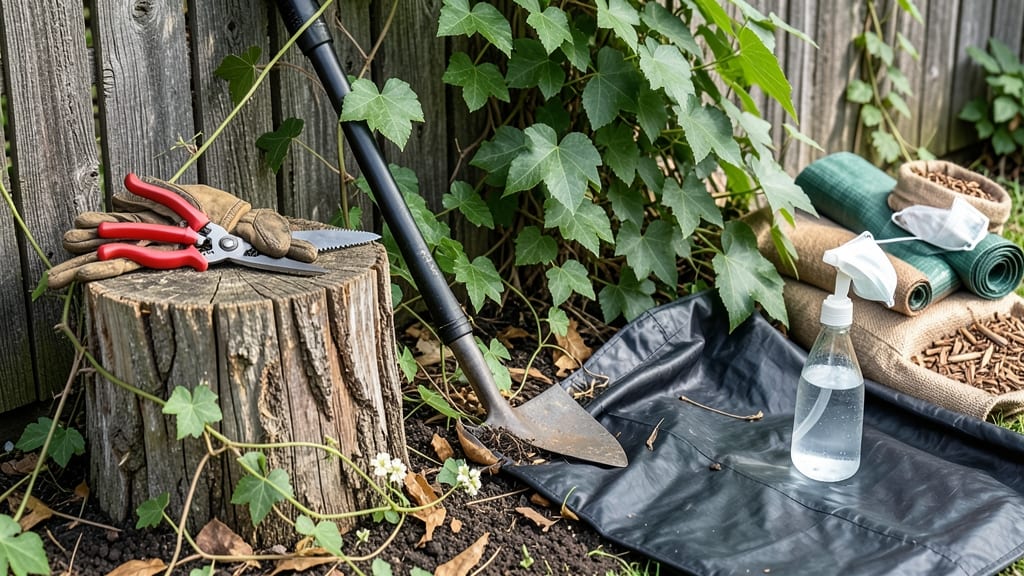
Before you dive into tackling that tenacious Virginia creeper vine, let’s make sure you’ve got everything you need to win the battle! Gather these materials and tools—some are must-haves, while others are handy extras to make the job smoother. Here’s your
Step-by-Step instructions for eliminating Virginia creeper vine
Here's the proven method I use to choke out Virginia creeper roots fast—no digging, no chemicals.
🌱 Step 1: Identify the Vine and Its Root System
Virginia creeper spreads aggressively through both above-ground vines and underground roots. Look for the distinctive five-leaflet leaves and red fall foliage. The vine itself can climb trees or sprawl across the ground, but the real battle is below—roots can extend 10-15 feet from the main plant. I always start by tracing the main stems back to their origin point, which is where the roots are strongest.
Use a shovel to carefully expose a 1-foot deep section of soil along the vine's path. You'll see thick, fibrous roots radiating outward. This helps you map where to apply the boiling water treatment most effectively. Mark these areas with flags or stakes so you don't miss any sections when you return with the boiling water.
💧 Step 2: Apply Boiling Water in Strategic Barriers
Fill a 1-gallon metal container with water and bring it to a full boil. The key here is precision—you want to pour the water directly onto the roots without scorching surrounding plants. Start by creating a 1-inch wide trench around the perimeter of the infestation, about 6 inches deep. This barrier will cut off the vine's access to water and nutrients.
Pour the boiling water slowly along the trench, working in 1-foot sections. You'll see the steam rise and hear the roots sizzle—this is your signal that the treatment is working. For stubborn roots, repeat the process every 3-5 days until the vine shows signs of wilting. I always wear gloves and eye protection, as the steam can be intense.
☀️ Step 3: Monitor and Repeat for Full Eradication
Within 24-48 hours of treatment, you should see the Virginia creeper leaves start to yellow and crisp. This is the plant's way of telling you the roots are dying. Keep an eye on the area over the next 2-3 weeks, as new shoots may emerge from dormant roots. If they do, repeat the boiling water treatment on those specific spots.
For large infestations, divide the area into sections and treat one section at a time. This ensures you don't miss any roots and that the boiling water has time to penetrate deeply. After 4-6 weeks of consistent treatment, the vine should be completely eradicated. The soil may look disturbed, but it will recover with time and proper care.
✂️ Step 4: Prevent Regrowth with Maintenance
Once the vine is gone, the real work begins—preventing it from returning. I recommend installing a 1-foot deep root barrier made of thick plastic or metal around the treated area. This physical barrier blocks any new roots from infiltrating your space. For ground-level spread, consider laying down landscape fabric or mulch to suppress any remaining root fragments.
Regularly inspect the area for any new shoots, especially during the growing season. If you catch a small sprout early, you can pull it by hand or treat it with a targeted dose of boiling water. Over time, the treated soil will become inhospitable to Virginia creeper, reducing the risk of future invasions.
Tips & tricks for fast Virginia creeper elimination
Real talk: I learned these tricks after battling Virginia creeper for years—here's how to make the boiling water method work even faster and more effectively.
Precision Over Speed: When creating the 1-inch wide trench in Step 2, don't rush—aim for absolute uniformity. Use a straight shovel edge to maintain that precise depth (6 inches) and width. I've found that perfectly straight trenches let the boiling water penetrate more effectively, which means faster root death. The key is consistency: if your trench wavers between 5 and 7 inches deep, some roots will escape the treatment entirely.
Timing Secret: The 24-48 hour window after treatment is your best chance to spot new shoots early. I schedule my inspections for late afternoon when the leaves are fully extended—this makes it easier to see the subtle yellowing that signals root damage. Pro tip: If you see any green leaves still thriving after 48 hours, that section needs an immediate second treatment. Don't wait for the full 3-5 day cycle if you spot survivors early.
Equipment Upgrade: Skip the basic metal container and use a dedicated boiling water applicator instead. These specialized tools (available at garden centers) have narrow spouts that let you direct the water precisely to roots without wasting heat on surrounding soil. The focused application means you can cover more ground faster, which is especially helpful when dealing with large infestations. I've cut my treatment time by nearly 30% using one of these.
Monitoring Hack: For large areas, create a simple grid system using wooden stakes and string. Divide your treatment zone into 3-foot squares and mark each one with a numbered flag. This makes it easy to track which sections you've treated and when you last applied boiling water. When new shoots appear, you can immediately reference your grid to know exactly where to retreat—no more guessing games about which roots you've already handled.
Pro Tips for Get Rid Of Virginia Creeper Vine
- Real talk: I learned these tricks after battling Virginia creeper for years—here's how to make the boiling water method work even faster and more effectively.
- Precision Over Speed: When creating the 1-inch wide trench in Step 2, don't rush—aim for absolute uniformity.
- Timing Secret: The 24-48 hour window after treatment is your best chance to spot new shoots early.
Frequently asked questions
about removing Virginia creeper vine—because even the toughest gardeners need a little clarity! Here are answers to the most common queries to help you tackle this invasive vine with confidence.Is boiling water safe for plants other than Virginia creeper?
The boiling water barrier method is highly targeted, but nearby plants can still be at risk if the water splashes or seeps. Always apply it directly to the base of the vine and avoid spraying foliage of desirable plants. For extra protection, create a physical barrier (like cardboard) around non-target plants before treatment.
How long does it take to see results after using boiling water?
You’ll likely notice wilting within 24–48 hours, but the vine may take 1–2 weeks to fully die back. Roots can persist, so repeat treatments on regrowth are key. For stubborn patches, consider combining boiling water with a glyphosate-based herbicide for faster results.
What’s a natural alternative if I don’t want to use boiling water?
Try these eco-friendly methods:
- Vine cutting: Sever the vine at the base with pruners or a string trimmer, then apply vinegar (20% acetic acid) or soapy water to the stump to prevent regrowth.
- Solarization: Cover the area with clear plastic for 4–6 weeks in hot sun to bake roots.
- Manual removal: Dig out roots (wear gloves—this vine has thorns!), but this is labor-intensive for large infestations.
Why does Virginia creeper keep coming back after treatment?
This vine is a root survivor—even small root fragments can sprout new growth. To break the cycle:
- Reapply boiling water or herbicide to any green regrowth within 2–3 weeks.
- Check for underground runners and treat those too.
- Mulch treated areas with cardboard or landscape fabric to block sunlight and starve remaining roots.
Can I use boiling water near my house or deck?
Yes, but proceed with caution! Boiling water won’t damage concrete, brick, or wood, but it can warp or discolor painted surfaces or plastic. Test a small area first, and keep the water 1–2 feet away from siding or trim. For decks, use a metal can with a spout to control the flow and avoid splashing.
Wrapping up and next steps
Getting rid of Virginia creeper vine doesn’t have to be a battle—just a strategic one! 🌿 With the right tools (like that boiling water barrier) and a little persistence, you can reclaim your yard.
Remember, consistency is key, so keep an eye on those roots and repeat treatments as needed.
Now that you’re armed with the know-how, roll up your sleeves and tackle that vine with confidence! 💪 Next, grab your gloves and start clearing—your garden will thank you. Happy pruning! 🌱