
Flowers
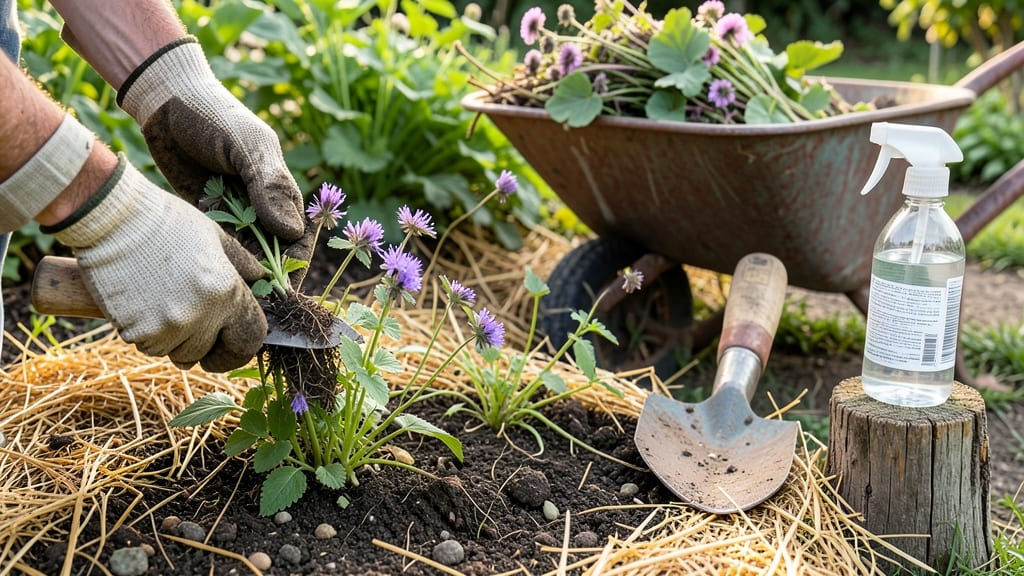
How to get rid of those stubborn purple-flowered weeds—henbit, violets, or purple deadnettle—can turn a tidy garden into a wildflower mess overnight. 🌱 I’ve spent hours yanking them by hand, only to watch new sprouts pop up days later. The boiling water barrier method kills them instantly, roots and all, with zero chemicals.
This technique works because boiling water denatures proteins in plant cells, causing immediate collapse. No digging, no lingering seeds—just a clean, weed-free line. You’ll need a kettle, a watering can, or even a hose attachment for larger areas.
The process takes under 10 minutes for a small garden bed, and it’s safe for pets once cooled.
After treatment, mulch heavily with straw or wood chips to block sunlight from sprouting new weeds. The results? No regrowth for weeks, and your plants will thrive without competition. It’s the fastest organic solution I’ve found—no more losing battles with those purple invaders.
Works best in early spring or fall when weeds are actively growing. For stubborn patches, repeat weekly until the area stays clear. Your garden will thank you—no more sneaky purple blooms ruining your carefully planned beds.
Root Causes of Purple-Blooming Weeds
Those vibrant purple-flowered weeds popping up in your garden aren’t just an eyesore—they’re often the result of specific environmental and garden conditions that create the perfect storm for their growth.
Understanding why they thrive helps you tackle the problem at its source. Let’s break down the key factors driving these tenacious plants.
Purple-flowered weeds like henbit (Lamium amplexicaule) or purple deadnettle (Lamium purpureum) often flourish in soil that’s either too rich in nitrogen or lacking in proper balance. Here’s how it happens:
- Excess nitrogen: Over-fertilizing—especially with synthetic nitrogen-heavy fertilizers—makes your lawn or garden a buffet for fast-growing weeds. These weeds thrive on readily available nitrogen, outcompeting slower-growing plants like grass or flowers.
- Poor soil structure: Compacted or clay-heavy soil prevents water drainage, creating soggy pockets where weed seeds germinate. Purple-flowered weeds often prefer moist, fertile soil, making them persistent in these conditions.
- Lack of competition: If your garden lacks ground cover (like mulch or dense planting), sunlight and nutrients hit the soil directly, giving weeds an open invitation to take root.
💡 Pro Tip: Test your soil’s pH and nutrient levels—ideal garden soil for most plants sits between 6.0 and 7.0. Amend with compost or organic matter to improve structure and reduce weed-friendly conditions.
Purple-flowered weeds are often opportunistic, capitalizing on specific weather patterns that favor their growth. Key triggers include:
- Cool seasons: Many purple weeds (e.g., chickweed or violet) are cool-season annuals. They germinate in early spring or fall when temperatures dip between 50–70°F (10–21°C), outpacing slower-growing plants.
- Rainfall spikes: Heavy rain or inconsistent watering creates ideal germination conditions. Weed seeds lie dormant until moisture signals them to sprout, and purple bloomers often respond quickly.
- Drought stress in lawns: Overwatering or underwatering weakens grass, leaving gaps where weeds like clover (with purple varieties) can establish roots.
✨ Actionable Fix: Water deeply but infrequently to encourage deep grass roots, and mow regularly to prevent seed heads from forming. A thick lawn is the best weed deterrent!
Weeds with purple flowers love disruption. Whether it’s construction, tilling, or even foot traffic, disturbed soil exposes fresh seeds to sunlight and nutrients. Common scenarios:
- Tilling or digging: Loosening soil aerates it, bringing buried weed seeds to the surface. Purple-flowered weeds like bindweed (though not always purple) can spread aggressively in disturbed areas.
- Newly laid mulch or compost: While organic matter improves soil, it can also introduce weed seeds. Improperly aged mulch or compost may harbor dormant seeds that germinate when conditions are right.
- Construction or landscaping: Bare patches after installing hardscapes (like patios or walkways) create perfect landing spots for windborne weed seeds.
🔥 Prevention Tip: Use certified weed-free mulch and avoid tilling unless necessary. For bare spots, apply a pre-emergent herbicide (like corn gluten meal) to block seed germination.
Some purple-flowered weeds hitchhike into your garden via animals, wind, or even human activity. Here’s how:
- Birds and wildlife: Seeds from weeds like purple loosestrife or oxalis (some varieties have purple blooms) stick to feathers or fur and get deposited in new areas.
- Windborne seeds: Lightweight seeds (e.g., lamb’s quarters, which can have purple-tinged leaves) travel easily and land in cracks or thin soil.
- Contaminated tools or soil: Sharing gardening tools between infested and clean areas can spread weed fragments or seeds.
🎯 Solution: Sanitize tools with rubbing alcohol, and avoid moving soil from infested areas to clean ones. If wildlife is the issue, use physical barriers (like chicken wire) around new plantings.
By addressing these root causes—whether it’s balancing soil nutrients, adjusting watering habits, or minimizing disturbances—you’ll starve purple-flowered weeds of the conditions they need to thrive. The next step? Learn how to smother them with a boiling water barrier!
Quick Fixes for Stubborn Purple Bloomers
Those vibrant purple weeds popping up in your garden aren’t just a visual nuisance—they’re stealing nutrients, water, and sunlight from your prized plants. But don’t reach for harsh chemicals just yet! With the right approach, you can eliminate them fast while keeping your garden thriving.
Below, we’ll tackle the most common causes of these pesky purple invaders and show you how to smother, pull, or burn them out—without breaking a sweat.
If purple-flowered weeds like henbit, chickweed, or purple deadnettle are overtaking your flower beds, act fast before they spread.
🍳 Boiling Water Barrier (Instant Root Death)
This is your go-to weapon for a clean, chemical-free strike. Here’s how:
- Boil 1–2 gallons of water (or use a large pot for bigger areas).
- Carry it carefully—a watering can with a long spout works best.
- Pour directly over the weeds, focusing on the base where roots meet soil.
- Repeat every 2–3 days for stubborn clusters until they wilt and die.
✨ Pro Tip: Do this on a sunny day—the heat will work faster, and you’ll avoid soggy soil.
Weeds like bindweed or purple loosestrife love tight spaces. Here’s how to choke them out:
🔪 Physical Removal (The Old-School Hack)
- Wear gloves—some weeds (like stinging nettle) pack a punch!
- Grab the base and pull upward (not sideways) to avoid breaking the root.
- Dispose of them properly—don’t compost! Toss them in the trash or burn them (if local laws allow).
- Fill the gap with mulch or gravel to block regrowth.
💡 Quick Fix: Use a hula hoe to slice weeds at the soil line—great for large areas!
If weeds keep popping up, they’re likely re-seeding or spreading via runners. Here’s how to break the cycle:
🌡️ Smothering with Landscape Fabric or Cardboard
- Lay down thick cardboard (no glossy ink!) or landscape fabric over the area.
- Cover with 2–3 inches of mulch (wood chips or straw work best).
- Wait 4–6 weeks—the weeds will decompose underneath.
- Plant new flowers or ground cover on top once the area is clear.
✨ Bonus: This method also prevents future weeds by blocking sunlight.
The best offense is a good defense. Try these low-effort strategies:
| Problem | Solution | How Often |
|---|---|---|
| Weeds in new soil | Apply pre-emergent herbicide (natural vinegar-based) before planting | Once per season |
| Bare spots in lawn | Overseed with grass or clover | Spring & Fall |
| Cracks in pavement | Fill with gravel or mulch | As needed |
| Overwatered garden beds | Reduce watering and add mulch | Weekly check |
🎯 Golden Rule: Mulch religiously—a 3-inch layer of organic mulch blocks 90% of weeds by starving them of light.
With these targeted tactics, you’ll say goodbye to purple weeds for good—no chemicals, no guesswork, just a lush, weed-free garden in no time. 🌿✨
Frequently asked questions
Why do purple-flowered weeds keep coming back after I pull them?
Many purple weeds like henbit or purple deadnettle spread through tiny seeds that stay dormant in the soil for years. When you pull them, you might miss some roots or seeds, which then sprout again. For best results, use the boiling water method to kill roots completely, then apply a thick layer of mulch to block sunlight from new seeds.
Is boiling water safe for my garden plants?
Boiling water targets weeds specifically because it's poured directly at their base. To protect nearby plants, pour carefully along the edges of your garden beds or use a watering can with a narrow spout. Test a small area first if you're worried—healthy plants can usually recover from minor splashes, but delicate seedlings may need extra care.
What's the fastest way to stop purple weeds in a large lawn?
For big areas, combine a boiling water barrier along walkways and edges with regular mowing at 3-4 inches high. Tall grass shades out weed seeds. For stubborn patches, spot-treat with vinegar (1 gallon vinegar + 1 cup dish soap) for a natural herbicide—just avoid spraying desired plants. Repeat every 2 weeks until the area stays clear.
Can I use this method in winter?
Purple weeds like henbit often die back in winter, but some seeds remain dormant. In cold climates, focus on mulching heavily (4+ inches) in late fall to smother remaining seeds. If you spot new growth in early spring, the boiling water method works great then—just avoid treating frozen ground, which can damage soil structure.
Are there any purple weeds I should NOT treat with boiling water?
Most purple-flowered weeds respond well, but avoid boiling water near wildflowers or native plants that might resemble weeds. For example, purple coneflower or black-eyed Susan could be mistaken for weeds. When in doubt, pull those manually or use targeted spot treatments with a vinegar solution (1:1 ratio with water) applied only to the weed stems.