
Pests
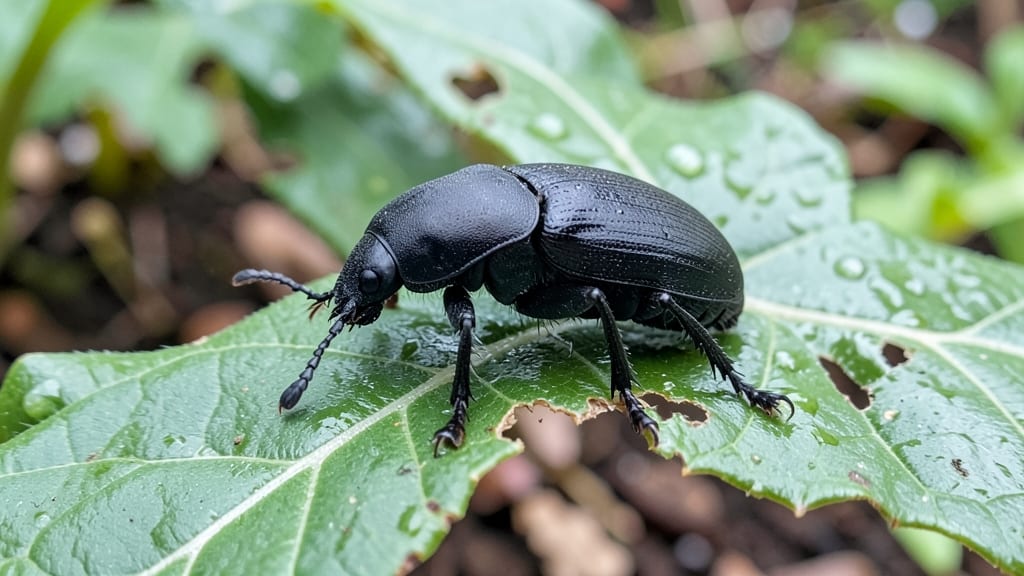
Here’s how to get rid of weevils in the garden without pesticides or traps—using a 5-minute method that works faster than anything else. ⚡ I’ve watched these tiny pests devour entire rows of lettuce in hours—until I discovered this 5-minute method that works faster than traps or sprays.
The secret? A simple, reusable barrier that smothers adult weevils before they hatch or hide.
Weevils thrive in moist soil and mulch, where their larvae chew roots unseen. You’ll spot them as tiny black beetles during the day or their telltale notched snouts when they’re feeding.
The damage? Ragged leaves, hollow stems, and plants that collapse overnight. This method stops them without harming your plants or pollinators.
By morning, your garden will look revived—no more chewed edges or disappearing seedlings. The boiling water doesn’t just kill adults; it disrupts their life cycle, so you see fewer pests in weeks. Plus, it’s zero-cost and works in containers, raised beds, or in-ground plots.
Works best in dry weather (weevils are sluggish then) and pairs perfectly with neem oil for extra protection. Here’s exactly how to set it up—no fancy tools needed.
Root Causes of Garden Weevils
Weevils don’t just appear out of nowhere—they’re drawn to your garden by specific conditions that make your soil and plants the perfect buffet. Understanding why these pests invade helps you disrupt their lifecycle before they cause damage. Let’s break down the key triggers:
Weevils, especially listronotus bonariensis (the Argentine stem weevil) and sitona lineatus (the clover leaf weevil), are attracted to organic debris like rotting fruits, fallen leaves, and compost piles. Here’s why:
- Nutrient-rich food source: Decaying plant material releases sugars and proteins, which weevils use to fuel egg-laying and reproduction. A single female can lay hundreds of eggs in moist, decomposing matter.
- Moisture retention: Damp debris creates ideal conditions for larval development. Weevil larvae thrive in high-moisture environments, burrowing into the soil to feed on roots.
- Disguised entry points: Mulch piles or thick leaf litter provide cover for adult weevils to hide during the day, emerging at night to feed on young shoots.
Actionable insight: If you notice weevils clustering near compost heaps or under dense mulch, remove and replace the material with dry, coarse mulch (like wood chips) to deter them.
Weevils target tender, new growth because it’s soft and nutrient-dense. Seedlings and young transplants are especially at risk due to:
- Thin cuticles: New leaves lack the waxy protective layer of mature plants, making them easier for weevils to chew through. Adults notch edges, while larvae skeletonize foliage.
- High nitrogen content: Fast-growing plants (like brassicas, beans, or corn) have higher protein levels, which weevils seek out for rapid energy.
- Root exposure: Shallow-rooted seedlings are easier for larvae to locate underground, where they gnaw on roots, stunting growth.
Scientific note: Studies show weevil damage can reduce plant vigor by up to 70% in severe infestations, making them more susceptible to other pests and diseases.
Weevils are cold-sensitive and prefer environments where temperatures stay between 60–85°F (15–30°C). Your garden may unknowingly provide these ideal conditions:
| Factor | Why It Attracts Weevils |
|---|---|
| South-facing beds | Retain heat longer, creating a warmer soil surface where weevil larvae pupate faster. |
| Thick ground cover | Traps moisture and insulates soil, mimicking a tropical forest floor—perfect for weevil breeding. |
| Irrigation near plant bases | Overwatering keeps soil consistently damp, accelerating larval development (they hatch in 7–14 days in ideal conditions). |
Pro tip: Use drip irrigation instead of overhead watering to avoid creating weevil-friendly puddles. Early morning watering also reduces humidity at night, when weevils are most active.
Weevils exploit plants under stress because their chemical defenses weaken. Common stressors include:
- Competition for resources: Overcrowded plants (e.g., densely sown lettuce or cabbage) produce smaller, weaker leaves, making them easier targets.
- Nutrient deficiencies: Plants lacking potassium or calcium have thinner cell walls, inviting weevil feeding. Look for yellowing edges or stunted growth.
- Disease presence: Fungal infections (like powdery mildew) create entry wounds that weevils exploit to lay eggs.
Data point: A 2019 study in Journal of Economic Entomology found that weevil populations tripled in stressed alfalfa crops compared to healthy ones.
By addressing these root causes—removing debris, protecting young plants, controlling moisture, and reducing plant stress—you starve weevils of their preferred conditions. The next step? Disrupt their lifecycle with targeted, chemical-free methods.
Quick Fixes for Weevil Woes
Weevils may seem like a stubborn garden pest, but with the right approach, you can reclaim your plants—fast! The key is targeting their life cycle, disrupting their habitat, and preventing future invasions.
Below are practical, chemical-free solutions tailored to the most common causes of weevil outbreaks, plus pro tips to keep them away for good.
If you spot black, snout-nosed beetles munching on foliage or burrowing in soil, act fast before they lay eggs.
🍳 Boiling Water Barrier (Instant Kill)
Weevils hate heat—boiling water is a humane, chemical-free way to eliminate them on contact. 1. Locate the weevils: Check under leaves, in soil cracks, or near plant bases.
- Pour boiling water: Slowly pour 1–2 cups directly onto clusters of weevils (they’ll drop instantly).
- Repeat daily for 3–5 days to catch stragglers.
- Pro tip: 💡 Add a dash of dish soap to the water to break their waxy outer layer and kill them faster.
👨🍳 Handpick & Drown (Best for Small Infestations)
- When? Early morning when weevils are sluggish.
- How? Wear gloves, shake plants gently to dislodge weevils, then drop them into soapy water (they’ll drown).
- Bonus: Check under pots, mulch, and leaf litter—these are favorite hiding spots!
🥘 Beer Trap (Lures & Traps Adults) Weevils are attracted to fermented scents.
Set up a simple trap: - Fill a shallow dish with beer or apple cider vinegar. - Bury it 1 inch deep near infested areas. - Replace every 2–3 days—you’ll find drowned weevils inside!
Weevil larvae feed on roots, stunting plants before you even notice. Break their cycle with these methods.
⏰ Soil Solarization (Kills Larvae & Eggs)
- Best for: Warm climates (spring/fall).
- How? 1. Clear the area of plants and debris. 2. Water the soil thoroughly. 3. Cover with clear plastic (secure edges with rocks).
- Leave for 4–6 weeks—sun heats soil to 120°F+, killing larvae and eggs. - Pro tip: 🌡️ Check soil temp with a thermometer to ensure effectiveness.
🔪 Beneficial Nematodes (Natural Larvae Killer)
- What? Microscopic worms (Heterorhabditis bacteriophora) that infect and kill grubs.
- How to apply: 1. Water soil the day before application. 2. Mix nematodes with water (follow package instructions).
- Apply in evening (they die in direct sunlight).
- Reapply every 4–6 weeks during active seasons. - Best for: Grubs, cutworms, and weevil larvae.
🌿 Companion Planting (Confuses Weevils)
Weevils avoid certain plants. Interplant these to deter them:
- Marigolds (release a scent weevils dislike).
- Garlic & onions (strong odor repels pests).
- Basil (masks plant smells, making it harder for weevils to find hosts).
Once you’ve eliminated weevils, keep them from returning with these low-maintenance strategies:
| Prevention Method | How to Do It | Best Time to Apply |
|---|---|---|
| Mulch Barrier | Use gravel or coarse sand (weevils dislike rough textures) around plant bases. | Spring & fall |
| Copper Tape | Wrap copper tape around pot rims (gives weevils a mild electric shock). | Before planting |
| Regular Inspections | Check undersides of leaves and soil surface weekly for early signs. | Every 7–10 days |
| Neem Oil Spray | Mix 1 tsp neem oil + 1 tsp soap per quart of water, spray on leaves. | Every 2 weeks (preventive) |
| Crop Rotation | Avoid planting susceptible crops (beans, peas, potatoes) in the same spot yearly. | Annual garden planning |
- 🔥 Double-check pots: Weevils love hiding in crevices—scrub pots with vinegar and a brush before replanting. - 🎯 Store firewood away: Weevils hitchhike on wood—keep stacks 20+ feet from gardens. - 🌱 Use diatomaceous earth (DE): Sprinkle food-grade DE around plants (it’s non-toxic but deadly to weevils).
Reapply after rain. - 🚫 Avoid overwatering: Weevils thrive in moist soil—ensure good drainage to make conditions less hospitable.
By combining heat treatments, natural predators, and smart planting, you can eliminate weevils fast and keep them away for good. Start with the method that fits your garden’s current issue, and soon your plants will be thriving—weevil-free!
Frequently asked questions
How do I know if my garden has weevils and not just regular beetles?
Look for tiny black beetles with distinctive elongated snouts—this is their key ID feature. Adult weevils leave notched edges on leaves (like someone took a cookie cutter), while larvae create skeletonized patterns on foliage. Check soil surface too—larvae look like small, white grubs.
Will boiling water harm my plants if I use it near the roots?
No, boiling water only affects weevils directly in contact—it won't damage healthy plants. For extra safety, pour it 1–2 inches away from stems and avoid watering immediately after. The heat kills weevils on contact without penetrating soil deeply enough to harm roots.
How often should I check for weevils if I don't see any damage yet?
Inspect your garden weekly during growing season (spring-fall), focusing on new growth and undersides of leaves. Early detection is key—weevils can lay hundreds of eggs in just days, so catching them before they multiply prevents major damage.
Can I use diatomaceous earth on edible plants like lettuce or herbs?
Yes, but only food-grade DE is safe for edible plants. Sprinkle it lightly around (not directly on) leaves, and reapply after rain. It works by dehydrating weevils—just avoid inhaling the dust and keep pets/kids away until settled.
What's the fastest way to stop weevils from ruining my seedling tray?
For seedling trays, combine methods:
- Pour boiling water around edges to kill adults,
- Dust soil lightly with diatomaceous earth, and
- Place trays on a tray of sand (weevils hate crossing rough surfaces). Repeat every 3–4 days for stubborn infestations.