
Pests
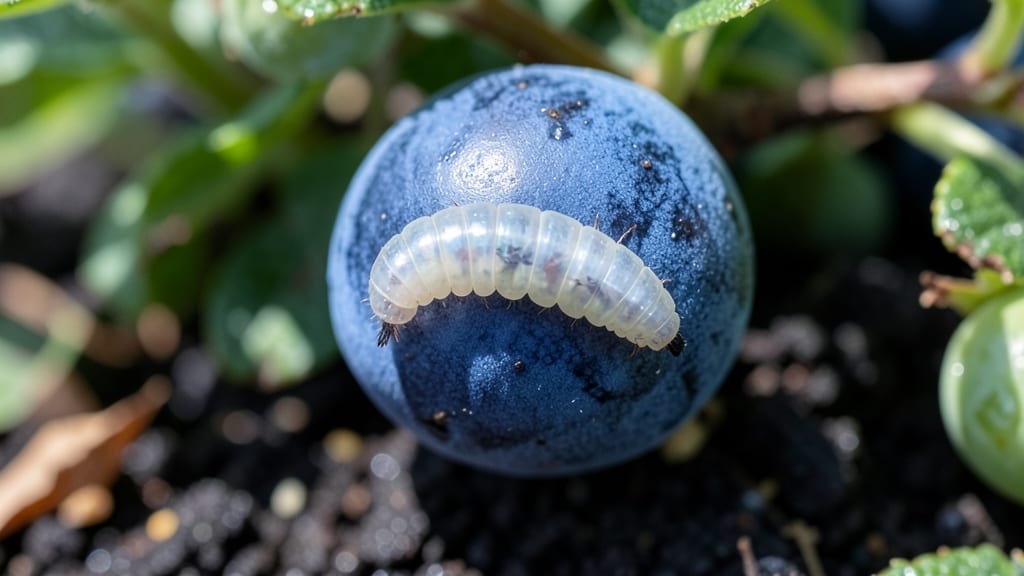
How to get the worms out of blueberries—boiling water soak transforms ruined fruit into clean berries in minutes. 🌱 I’ve seen entire harvests saved with this method—no more squishy, worm-filled berries when you’re just steps from picking them. The key is acting fast, before the worms spread or the fruit rots. This isn’t just about rescue—it’s about prevention too. Worms thrive in damp, shaded blueberry bushes, and once they’re in your fruit, they multiply fast. A quick soak kills them instantly while preserving the berries’ sweetness, but you’ll also need to check your bushes for signs of infestation afterward. By the end, you’ll have pristine blueberries ready to eat, freeze, or bake—no more picking through fruit to find the good ones. The process takes less than 10 minutes, and the results are worth every second of effort. For long-term protection, focus on sunlight, airflow, and regular pruning to make your bushes less inviting to pests. Here’s exactly how to do it—step by step.
Root Causes Of Worms In Berries
Finding worms in your blueberries can be a frustrating surprise—especially when you’ve worked hard to grow or buy fresh, healthy fruit. But why does this happen in the first place? The issue usually stems from a mix of natural pest behaviors, environmental conditions, and even human handling.
Understanding the real reasons behind these unwelcome guests helps you prevent future infestations and handle them more effectively. Let’s break down the most common culprits:
Blueberries are a favorite snack for several types of worms, particularly the blueberry maggot (Rhagoletis mendax) and fruitworms (like the oriental fruit moth or codling moth larvae). These pests lay their eggs on or near the fruit during the growing season.
Once hatched, the larvae burrow into the berries to feed, turning them into a squishy, worm-filled mess.
- Timing matters: Eggs are typically laid in late spring to early summer, so worms appear in late-summer or early-fall harvests.
- Attraction to ripeness: Overripe or bruised blueberries are especially tempting targets for female flies or moths seeking a place to deposit eggs.
- Species specificity: Some worms, like the blueberry maggot, only infest blueberries and huckleberries, while others (like codling moths) may affect multiple fruits.
If you’re growing your own blueberries—or if they’re sourced from a poorly maintained farm—sanitation plays a huge role. Worms thrive in environments where:
- Debris and fallen fruit linger: Dropped berries on the ground ferment, creating a breeding ground for flies and moths. These pests then lay eggs on nearby healthy fruit.
- Weeds and alternate hosts exist: Some worm species use weeds or other plants (like raspberries or blackberries) as intermediate hosts. If these are nearby, your blueberries become collateral damage.
- Water collects in harvest containers: Stagnant water in buckets or baskets can attract adult flies, which then contaminate your harvest.
Pro tip: 🌡️ Regularly remove fallen fruit, mulch, and weeds from under blueberry bushes. This disrupts the worm’s life cycle and reduces egg-laying opportunities.
Even if your blueberries are worm-free at the farm or orchard, they can become infested after picking due to:
- Cross-contamination in storage: Worms can crawl from infested fruit to nearby clean berries in shared containers, bins, or even grocery store displays.
- Delayed cooling: Blueberries left at room temperature for too long (especially in warm climates) speed up worm development. A single infested berry can hatch and spread larvae in just 24–48 hours.
- Improper washing before sale: Some commercial operations may not inspect or treat berries thoroughly before packaging, leading to worms slipping through.
Key insight: 🔍 If you’re buying blueberries and notice worms, the issue likely started post-harvest. Always inspect fruit upon arrival and store it in the coldest part of your fridge.
Warm, humid conditions accelerate worm activity. Here’s how weather impacts infestations:
| Factor | How It Helps Worms |
|---|---|
| High humidity (60%+) | Keeps egg masses moist, ensuring higher hatch rates. Larvae also thrive in damp environments. |
| Temperatures between 75–85°F | Optimal for adult flies/moths to lay eggs and for larvae to grow rapidly (they can double in size in 5–7 days). |
| Rain before harvest | Washes eggs and larvae into soil, but also softens berries, making them easier targets for pests. |
Regional note: 🌎 Southern U.S. states (e.g., Georgia, North Carolina) and Pacific Northwest regions see heavier infestations due to ideal climates for blueberry maggots.
Sometimes, the problem traces back to how we handle, store, or transport blueberries:
- Reusing contaminated containers: If you’ve stored blueberries in a bucket or basket that once held infested fruit, worms or eggs may linger.
- Washing berries too late: Rinsing fruit after storing it in a warm, humid environment can spread larvae from one berry to another.
- Leaving fruit out overnight: Even a few hours at room temperature can trigger egg hatching.
Actionable fix: 🧼 Always wash blueberries immediately upon bringing them home, and store them in the fridge (or freezer for long-term) in sealed containers.
Quick Fixes for Worms in Blueberries
Discovering worms in your blueberries can be a frustrating experience, but the good news is that there are effective, simple solutions to tackle the problem—whether you’re dealing with fresh-picked berries or store-bought ones.
Below, we’ve mapped out practical fixes based on the most common causes, along with prevention tips to keep your blueberries worm-free in the future.
If you’ve just harvested your blueberries and spotted worms, a boiling water soak is the fastest way to eliminate pests while preserving the fruit’s flavor and texture.
How to Do It:
- 🍳 Fill a large pot with enough water to fully submerge the blueberries.
- 🔥 Bring the water to a rolling boil—this kills worms and their eggs instantly.
- 👨🍳 Gently add the blueberries to the boiling water and let them soak for 30–60 seconds.
- ⏰ Immediately drain the berries into a colander and rinse them with cool water to stop the cooking process.
- 🥘 Let them dry on a clean towel or paper towels before storing or eating.
✨ Pro Tip: If you’re concerned about overcooking, reduce the soak time to 15–20 seconds for a gentler treatment.
If boiling isn’t an option (or you’re dealing with a large batch), a vinegar or saltwater soak can also kill worms without cooking the fruit.
Option 1: Vinegar Soak
- 🍶 Mix 1 part white vinegar with 3 parts water in a bowl.
- 🍓 Submerge the blueberries for 5–10 minutes.
- 🧼 Drain and rinse thoroughly with clean water to remove any vinegar taste.
- 🥗 Pat dry before storing.
Option 2: Saltwater Soak
- 🧂 Dissolve 1–2 tablespoons of salt in 1 quart of warm water.
- 🍇 Soak the blueberries for 5 minutes, then rinse well.
- ✨ Pro Tip: This method works best for light infestations—severe cases may need a stronger treatment.
Freezing is a chemical-free way to kill worms, especially if you plan to use the berries later.
How to Freeze Blueberries to Kill Worms:
- 🧊 Spread blueberries in a single layer on a baking sheet.
- 🥶 Freeze for 2–3 hours until solid.
- 📦 Transfer to an airtight container and freeze for at least 24 hours.
- 🔍 After thawing, inspect—worms should be dead or visibly weakened.
✨ Pro Tip: Freezing works best for whole berries—if worms are inside, they’ll die from the cold.
If worms are a recurring problem in your garden, preventive sprays can help.
Recommended Options:
- 🌿 Neem oil spray (organic, safe for bees when used correctly).
- 🍄 Bacillus thuringiensis (Bt)—a natural bacteria that targets caterpillars (common blueberry pests).
- 🧴 Horticultural oil or insecticidal soap (apply in the evening to avoid harming pollinators).
⚠️ Warning: Always follow label instructions and avoid spraying directly on ripe berries to prevent residue.
The best way to handle worms in blueberries? Stop them before they start!
🌱 Garden Prevention:
- 🍓 Plant blueberries in well-draining soil—worms thrive in damp, compacted areas.
- 🌿 Use row covers to block egg-laying pests like sawfly larvae.
- 🐛 Encourage natural predators like birds, ladybugs, and parasitic wasps.
- 🍎 Prune regularly to improve airflow and reduce hiding spots for pests.
🛒 Store-Bought Safety:
- 🔍 Inspect berries before buying—choose firm, unblemished blueberries.
- 🧊 Store in the fridge (not at room temperature) to slow pest activity.
- 🍓 Wash before eating—even if no worms are visible, a quick rinse removes residue.
Final Thought: Whether you’re dealing with a sudden infestation or trying to prevent future problems, these methods will help you enjoy worm-free blueberries every time! 🍇✨
Frequently asked questions
Can I eat blueberries with worms if I remove them first?
The worms themselves aren't poisonous, but the berries they've infested may be damaged or fermenting inside. Always discard heavily infested berries—even after removing worms, the fruit's texture and flavor can be compromised. For minor cases, pick through carefully and eat only the cleanest berries.
How do I know if my blueberries are safe after boiling?
After the 30–60 second boiling soak, the berries should look plump and firm. If they appear mushy or discolored, the heat may have damaged them. Test one berry by squeezing gently—if it holds its shape, the rest are safe to eat. Rinse thoroughly with cool water before serving.
Will vinegar soak affect the taste of my blueberries?
A mild vinegar soak (1:3 ratio) won't noticeably alter flavor, but you may detect a slight tang if left too long. For best results, limit soaking to 5 minutes and rinse immediately with cold water. If you're sensitive to vinegar taste, the saltwater method (1–2 tbsp salt per quart) is gentler.
Can I reuse water from boiling blueberries?
No, the boiling water will contain dissolved fruit sugars and worm residues. Discard it immediately after use. For environmental safety, avoid pouring it down drains—compost the worms (if possible) or dispose of them in the trash. The berries' water content is minimal, so no additional hydration is needed.
How often should I check my blueberry bushes for worms?
Inspect bushes every 7–10 days during peak growing season (June–August). Look for signs like holes in berries, sawdust-like frass (worm droppings), or adult flies hovering near fruit. Early detection prevents full-blown infestations—address problems before worms become visible inside berries.