
Propagation
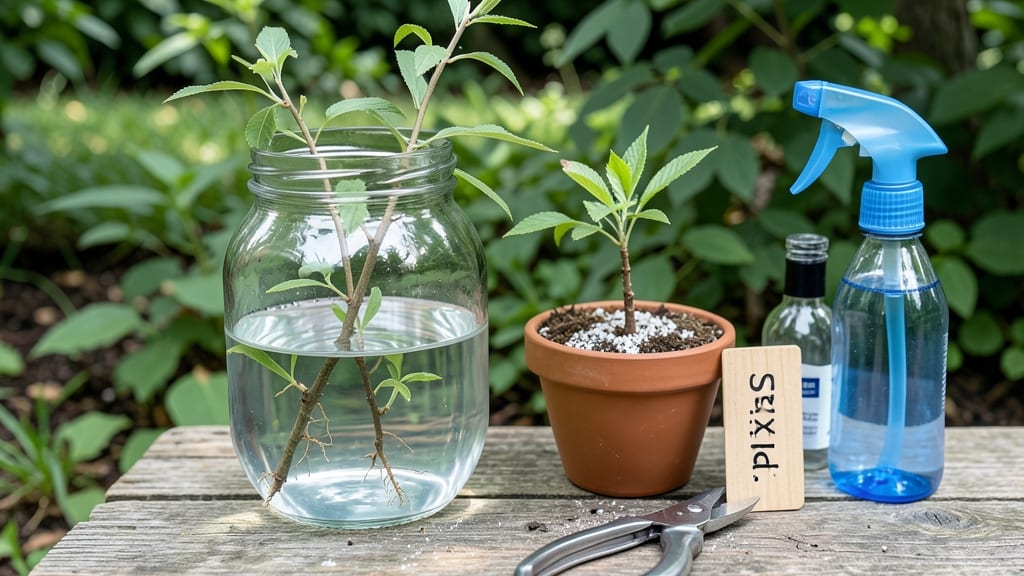
Growing a willow tree from a branch is one of the fastest ways to grow a tree—if you know the right tricks. 🌿 I’ve rooted willow cuttings in just 3-4 weeks, turning a simple branch into a thriving tree with almost no effort.
The secret? Willow branches root effortlessly in water, and once they take, they grow like crazy.
You only need three things: a healthy branch, clean water, and a sunny spot. Grab a sharp pair of pruners, cut a 6- to 12-inch section from a non-flowering willow branch in early spring, and strip the lower leaves.
Place it in a jar of water, keeping the bottom third submerged—no fancy soil or rooting hormones needed.
Within weeks, you’ll see fuzzy white roots sprouting like magic. Once they’re 2-3 inches long, transplant into moist soil, and watch your willow shoot up toward the sky. It’s that simple, and the best part? Willows are tough—they handle wet soil, drought, and even urban pollution like champions.
Fair warning: willows grow fast, so give them space. Plant yours at least 10 feet from buildings or septic tanks, and expect it to reach 10-20 feet in its first year. If you want a privacy screen or a dramatic accent tree, this is the method for you.
📚 In This Guide
- What you need
- Instructions
- Tips and common mistakes
- Wrapping up and next steps
What you need
- ● Healthy willow branch: 1–2 branches, 12–18 inches long, with at least 3–4 buds (nodes). Choose from Salix species like weeping willow (Salix babylonica) or pussy willow (Salix discolor).
- ○ Rooting hormone: 1 small bottle (optional but recommended for faster rooting). Look for brands with auxin or IBA.
- ● Well-draining potting mix: 1 bag (5–10 quarts) of a mix like perlite, vermiculite, or sand (50% potting soil, 50% perlite/sand).
- ● Containers: 2–3 small pots (4–6 inches wide) with drainage holes or a shallow tray for water propagation.
- ● Water: Clean, room-temperature water (for water propagation method).
- ● Plastic bag or humidity dome: 1 clear plastic bag (for creating a greenhouse effect).
- ● Pruning shears or sharp knife: 1 pair (sterilized with rubbing alcohol).
- ● Spray bottle: 1 (for misting leaves and maintaining humidity).
- ● Fertilizer: Slow-release granular fertilizer (for transplanting).
- ● Grow lights: LED or fluorescent lights (if natural light is limited).
- ● Label markers: To track branch types or planting dates.
- ● Epsom salt: 1 tablespoon (can boost root growth in water).
Step-by-step instructions for growing a willow tree from a branch
Here’s how I’ve grown willows from cuttings—no fancy equipment, just patience and the right timing.
🌱 Step 1: Select and Prepare the Willow Branch
Choose a healthy, 4-6 foot long branch from a willow tree in late fall or early spring when sap is flowing. Look for thick, flexible stems—they root best. Cut just below a node (the little bump where leaves grow) using clean pruners. Strip off all leaves, leaving a bare stem. This prevents disease and focuses energy on root growth.
I like to keep the cut end fresh by wrapping it loosely in a damp paper towel inside a plastic bag. Store it in the fridge for up to 2 weeks if you can’t root it immediately. Willow cuttings are tough, but freshness speeds up rooting.
💧 Step 2: Plant the Cuttings in Water or Moist Soil
For fastest results, place the cut end of the branch in a jar of room-temperature water, covering about 2 inches of the stem. Change the water every 3-4 days to prevent bacteria. You’ll see tiny white roots in 2-4 weeks—that’s your signal it’s ready for soil. Keep the jar in bright, indirect light (no direct sun yet).
If you prefer soil, plant the cuttings 2-3 inches deep in a moist, sandy potting mix (willows hate soggy roots). Water lightly until the soil feels damp but not wet. Cover the pot with a clear plastic bag to trap humidity, then place it in partial shade. Check daily—mist if the soil dries out.
☀️ Step 3: Encourage Root Growth and Transplant
Once roots reach 2-3 inches long (or after 4-6 weeks in soil), it’s time to transplant. For water-rooted cuttings, plant them in a 5-gallon pot with well-draining soil. For soil-rooted cuttings, move them to a slightly larger container. Keep them in partial shade for the first 2 weeks to avoid shock.
Water deeply when the top inch of soil feels dry, but don’t overdo it—willows rot easily. After 3 months, your cutting should have a strong root system and new leaves. That’s when you can plant it outdoors in full sun or a moist, sunny spot in your yard.
✂️ Step 4: Maintain Fast Growth and Prune Wisely
Willows grow fast—up to 3 feet per year if happy. Prune in late winter to shape the tree and encourage bushier growth. Cut back any dead or crossing branches with clean pruners. Avoid heavy pruning in summer, or you’ll stress the tree.
Mulch around the base with 2-3 inches of organic matter (like wood chips) to retain moisture. Water deeply once a week during dry spells, but willows love water—just don’t drown them. With the right care, your cutting will be a mature tree in just a few years.
Tips & tricks for fast willow tree growth from cuttings
Here's what I learned after growing willows from cuttings—these little details make all the difference between slow growth and rapid success.
Timing is Everything: The late fall to early spring window is critical for willow cuttings because that's when sap is flowing actively. I've tried summer cuttings and they barely root—they just sit there looking sad. If you miss this window, try storing your cuttings in the fridge for up to 2 weeks until you're ready to root them, as the instructions suggest. Freshness matters more than you'd think!
Rooting Observation: When checking for roots in water after 2-4 weeks, look for tiny white tendrils that look like tiny hairs. Don't wait until you see long roots—once you see those first signs, it's time to transplant. I've lost a few cuttings by waiting too long, thinking they weren't ready. The sooner you move them to soil, the faster they'll establish themselves.
Light Management: Bright, indirect light is key during the rooting phase. I learned this the hard way when my first batch got sunburned leaves. Place your cuttings near an east-facing window or under fluorescent lights. Too much direct sun causes the cuttings to wilt before they even get a chance to root properly. Remember, we're growing roots, not leaves at this stage.
Transplanting Strategy: When you're ready to transplant after 4-6 weeks in soil, give your cuttings a little haircut. Trim the top growth by about one-third to reduce stress. This might seem counterintuitive, but it actually helps the plant focus its energy on root development rather than leaf production. I've seen cuttings with this treatment grow 3 feet in their first year!
Pro Tips for Grow A Willow Tree From A Branch
- Here's what I learned after growing willows from cuttings—these little details make all the difference between slow growth and rapid success.
- Timing is Everything: The late fall to early spring window is critical for willow cuttings because that's when sap is flowing actively.
- Rooting Observation: When checking for roots in water after 2-4 weeks, look for tiny white tendrils that look like tiny hairs.
Frequently asked questions
about growing a willow tree from a branch—because even the pros start with questions! Here are the answers to the most common ones to help you avoid pitfalls and grow confidently.Can I grow any willow branch, or do I need a special type?
Most willow branches can root, but weeping willows (Salix babylonica) and crack willows (Salix fragilis) are the easiest for beginners. Avoid branches from flowering or dried-out willows—they root poorly. Look for healthy, flexible green stems (about pencil-thick) with leaf buds.
How long does it take for a willow cutting to root?
Willow cuttings are fast growers! In ideal conditions (moist soil, warm weather), you’ll see roots forming in 2–4 weeks. By spring, your cutting could sprout leaves and grow roots 1–2 feet long. Patience pays off—don’t rush the process!
What if my willow cutting rots instead of rooting?
Rotting is usually caused by too much water or poor drainage. If the base turns mushy or smells bad, pull it out and restart with fresh cuttings. To prevent this, use a mix of 50% perlite or sand and 50% potting soil, and keep the soil moist but not soggy.
Can I grow a willow tree indoors instead of outside?
Willows thrive outdoors, but you can try indoor rooting in a sunny windowsill or under grow lights. Use a small pot with drainage holes and keep the soil consistently moist. Once roots form (2–4 weeks), transplant it outside after the last frost—willows need plenty of space and sunlight to flourish.
How big should my willow tree get if I plant it now?
Willows grow fast—some varieties can reach 30–50 feet tall in 10–15 years! If space is limited, consider dwarf varieties like Salix caprea (goat willow), which max out at 15–20 feet. Always plant willows at least 20 feet from structures (their roots spread widely!).
Wrapping up and next steps
Growing a willow tree from a branch is a rewarding journey that combines patience with the joy of nurturing life! With the right cuttings, proper rooting techniques, and a little care, you’ll soon watch your willow thrive—whether as a graceful ornamental tree or a sturdy living fence. 🌱✨
Now that you’re armed with the rooting secrets, why not take the next step? Experiment with different willow varieties, like the Salix babylonica (weeping willow) or Salix fragilis (crack willow), and share your progress with fellow gardening enthusiasts. Happy growing—and may your willow’s roots run deep and strong!