
Size
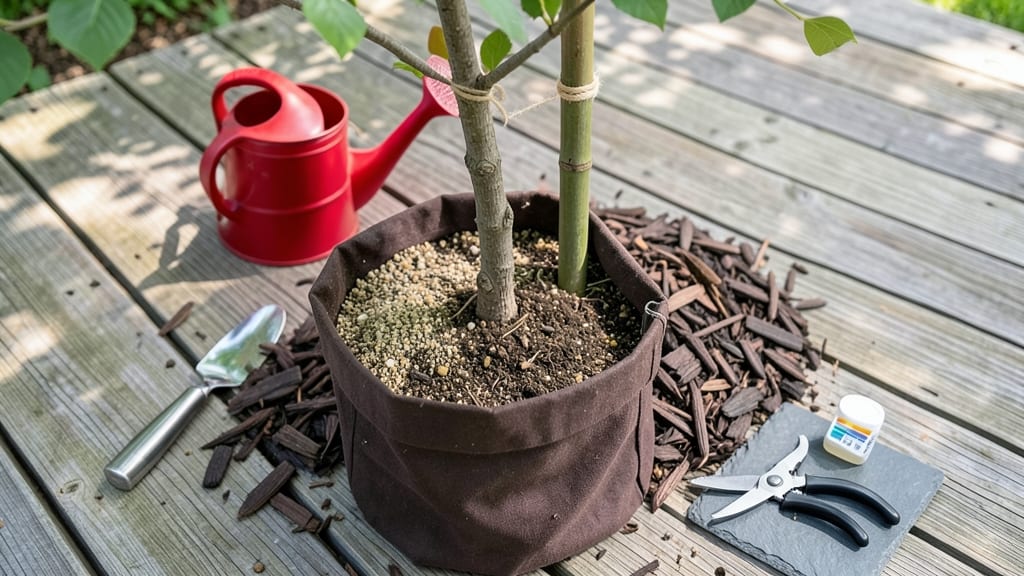
Your backyard could soon be home to a dwarf almond tree—but first, learn how to grow an almond tree at home with patience, the right spot, and a little care. 🌱 I planted mine in a 20-gallon container last spring, and though it’s still small, the first buds appeared this winter.
The key? Choosing a dwarf variety like 'Nonpareil' or 'Peerless' that stays under 10 feet tall—perfect for patios or small yards. Almond trees need full sun (6+ hours daily) and well-draining soil, but they’re surprisingly adaptable once established. Most people overwater them at first, but almonds hate soggy roots.
A mulch ring helps retain moisture while keeping roots cool. Cold hardiness varies by variety, so check your zone—some handle 15°F, others need protection below 20°F. By year 5, you’ll see actual nuts (yes, it takes that long), but the journey is rewarding.
Prune in late winter to shape the tree and remove dead wood, and watch for aphids—spray with soapy water if you spot them. Container-grown trees need repotting every 2-3 years as they outgrow their pots. Don’t let the timeline scare you off.
Even in containers, these trees thrive with basic care, and the novelty of homegrown almonds makes the wait worthwhile. Start small, stay consistent, and enjoy the process!
📚 In This Guide
- What you need
- Instructions
- Tips and common mistakes
- Wrapping up and next steps
What you need
- ● Dwarf almond tree: Choose a self-pollinating variety like Nonpareil or Butte (available as bare-root or potted saplings). Pro tip: 💡 Buy from a reputable nursery to ensure disease-resistant stock.
- ● Pot or container: Minimum 15-gallon size (24" deep) for containers, with drainage holes. For in-ground planting, ensure at least 6-8 feet of space for dwarf varieties.
- ○ Well-draining soil: Mix 60% potting soil with 30% perlite and 10% compost. Optional: Add 1 cup of coarse sand for extra drainage.
- ● Fertilizer: Slow-release granular fertilizer (e.g., 10-10-10 or 8-3-9) – 1 cup per tree at planting.
- ● Organic options: Almond meal or fish emulsion (apply every 4-6 weeks during growing season).
- ● Mulch: 2-3 inches of wood chips or straw to retain moisture and regulate soil temp.
- ● Watering can or hose with gentle nozzle: Almond trees hate soggy roots—avoid overhead watering.
- ● Pruning shears: Sharp, bypass-style shears (disinfect with rubbing alcohol between cuts).
- ○ Support stakes (optional): 1-2 bamboo stakes + soft garden twine if your tree needs temporary support.
- ● Hardiness zones: USDA Zones 6-9 (dwarf varieties tolerate cooler temps better than standard trees). Pro tip: 🌡️ Use a greenhouse or cold frame in zones below 6!
- ● Sunlight: Full sun (6-8+ hours daily)—partial shade reduces nut production.
- ● Protection from wind: Plant near a fence or use a windbreak (almond trees are not wind-resistant).
- ● Drip irrigation system: Automates watering and saves time.
- ● Tree guard: Protects young trunks from pests (e.g., rabbit wire mesh).
- ● Soil moisture meter: Ensures you’re watering just enough (almond trees drought-tolerant but need consistency).
- ● Pollinator-friendly plants: Bee balm or lavender nearby to boost fruit set.
Step-by-step instructions for growing dwarf almond trees at home
Here’s how I’ve successfully grown thriving dwarf almond trees in containers—perfect for small spaces and urban gardens.
🌱 Step 1: Select and Prepare the Right Dwarf Variety
Choose a self-pollinating dwarf variety like 'Texas' or 'Nonpareil'—these stay under 8-10 feet tall and thrive in containers. Avoid standard varieties; they’ll outgrow your space quickly. I always verify the rootstock type with the nursery, as some dwarf varieties graft onto semi-dwarf rootstock, which can still grow too large.
Pick a 5-7 gallon container with drainage holes—almonds hate soggy roots. Terra cotta pots help regulate moisture, but plastic works too if you monitor watering closely. Fill the bottom 2 inches with gravel or broken pottery to prevent clogging. This ensures excess water drains freely without washing out soil.
☀️ Step 2: Plant in Well-Draining Soil with Full Sun
Use a loose, fast-draining mix of 60% potting soil, 30% perlite, and 10% coarse sand. Almonds need excellent drainage—compacted soil leads to root rot. I mix in a slow-release fertilizer (10-10-10) at planting time to give young trees a nutrient boost without burning roots.
Plant your dwarf almond tree at the same depth it was in the nursery pot—burying too deep suffocates the root flare. Place the container in a south-facing spot where it gets at least 6-8 hours of direct sun daily. Almonds are Mediterranean natives; they demand full sun to produce nuts. If you’re in a cooler climate, a southwest exposure works best.
💧 Step 3: Water Deeply but Sparingly—Key to Almond Success
Water deeply once a week during the first year, letting the soil dry out completely between waterings. Overwatering is the #1 killer of container-grown almonds. I check moisture by sticking my finger 2 inches deep—if it’s dry, it’s time to water. In summer, you may need to water every 4-5 days, but always let the soil dry out first.
Once established (after 2-3 years), reduce watering to every 10-14 days unless the pot feels light. Almonds are drought-tolerant once mature, but young trees need consistent moisture to develop strong roots. Mulch the top 1 inch with gravel or bark to retain heat and reduce evaporation—just keep it 2 inches away from the trunk to prevent rot.
✂️ Step 4: Prune for Shape and Health in Late Winter
Prune once a year in late winter (before buds swell) to shape the tree and remove dead wood. I use clean, sharp bypass pruners to make cuts just outside the branch collar—never leave stubs. Open the center of the tree to improve airflow, which prevents fungal diseases. Almonds bloom early, so avoid heavy pruning in fall—it stresses the tree before winter.
Remove suckers (shoots growing from the base) immediately—they drain energy from nut production. Thin out crossing branches to reduce disease risk. After pruning, apply a copper fungicide spray as a preventative measure. This keeps your tree healthy and encourages strong, productive growth.
🌿 Step 5: Fertilize Strategically for Nut Production
Feed your almond tree twice a year: once in early spring (when buds swell) and again in mid-summer (after harvest). Use a balanced fertilizer (8-8-8 or 10-10-10) at half strength—almonds are sensitive to excess nitrogen, which promotes leafy growth at the expense of nuts. I mix in 1 cup of compost annually to improve soil health without overfeeding.
Watch for yellowing leaves—a sign of nutrient deficiency. If this happens, switch to a low-nitrogen, high-phosphorus fertilizer (like 5-10-10) to encourage flowering. Almonds need consistent care, but they reward patience with abundant harvests in 3-5 years. Be prepared to hand-pollinate flowers if your variety isn’t self-pollinating—use a soft paintbrush to transfer pollen between blooms in early spring.
Tips & tricks for perfectly thriving dwarf almond trees
Here's what I've learned from years of growing these Mediterranean beauties in containers—avoid these common pitfalls for a tree that actually produces nuts.
Container Size Matters: That 5-7 gallon container isn't just a suggestion—it's critical for root health. I've seen almonds in 3-gallon pots struggle after just one summer, with roots circling and strangling themselves. When your tree hits the 2-3 year mark and shows signs of being root-bound (roots circling the bottom), it's time to upgrade to a 10-12 gallon container. This gives roots room to expand downward while maintaining the stability needed for nut production. The deeper the pot, the better the drought tolerance.
Sunlight Strategy for Urban Growers: Those 6-8 hours of direct sun don't have to be consecutive—just spread throughout the day. In my city apartment, I placed the container on a rolling stand that I move to follow the sun's arc. South-facing windows work best, but if you only have east or west exposure, supplement with a grow light for 2-3 hours daily during winter months when sunlight is weaker. The key is maintaining that Mediterranean climate requirement of intense sunlight.
Watering Wisdom: The "finger test" at 2 inches deep is your best friend, but here's the trick I use: water until you see moisture running from the drainage holes at the bottom. This ensures you're not just wetting the surface. In summer heat, I water in the early morning to prevent evaporation and fungal growth. The soil should feel completely dry before watering again—almonds hate soggy feet. For established trees, I actually lift the pot to judge weight—if it feels light, it's time to water.
Pruning Precision: When you're pruning in late winter, focus on creating an open center rather than just cutting back branches. I aim for a vase shape that allows sunlight to penetrate to the inner branches where most of the fruit develops. Use a clean pair of pruners and make cuts at a 45-degree angle just outside the branch collar. This technique promotes faster healing and reduces disease entry points. Remember, you're shaping the tree for both aesthetics and productivity—every cut should serve a purpose in improving airflow or removing dead wood.
Pro Tips for Grow Almond Tree At Home
- Here's what I've learned from years of growing these Mediterranean beauties in containers—avoid these common pitfalls for a tree that actually produces nuts.
- Container Size Matters: That 5-7 gallon container isn't just a suggestion—it's critical for root health.
- Sunlight Strategy for Urban Growers: Those 6-8 hours of direct sun don't have to be consecutive—just spread throughout the day.
Frequently asked questions
Got questions about growing your own almond tree? You’re not alone! Here are answers to the most common queries—whether you’re a beginner or just fine-tuning your green thumb.
Can I grow an almond tree in a pot or small container?
Dwarf varieties like Nonpareil or Butte thrive in containers (15+ gallons) with proper drainage. Just ensure it gets full sun (6+ hours/day) and deep watering. Repot every 2–3 years and prune to maintain shape. Pro tip: Use a fast-draining mix (60% potting soil, 30% perlite, 10% compost).
How long does it take for an almond tree to bear fruit?
Patience is key! Most dwarf almond trees take 3–5 years to produce nuts, even with ideal care. Pollination is critical—plant two compatible varieties (e.g., Nonpareil + Fritz) 30–50 feet apart. Cold winters (below 40°F) also help trigger flowering. Avoid fertilizing heavily in the first year to prevent stress.
Do almond trees need a cold winter to grow?
Yes! Almond trees require 200–400 hours of chilling (temps below 45°F) annually to flower and fruit. If you live in a warm climate (Zone 7+), choose low-chill varieties like Texas or Mission. In containers, move trees to a sheltered spot or use a greenhouse during extreme heat. Without chilling, buds may drop.
Why aren’t my almond tree’s flowers turning into nuts?
Common culprits: lack of pollination (plant two varieties), poor soil (test pH: 6.5–7.5), or stress (overwatering/drought). Hand-pollinate with a soft brush if bees are scarce. Thin fruit early (leave 6–8 nuts per cluster) to avoid overburdening the tree. Check for pests like aphids or mites, which can hinder growth.
Can I grow almonds from a store-bought nut?
Nope! Store-bought almonds are processed (skin removed, treated) and won’t sprout. Start with a bare-root sapling or grafted nursery tree instead. If you’re curious about propagation, try grafting (advanced) or growing from seed (takes 10+ years for nuts—better for ornamental trees!).
| Quick Troubleshooting Guide |
|---|
| Yellow leaves? Overwatering or nutrient deficiency. Let soil dry slightly between waterings. |
| No flowers? Insufficient sunlight or chilling hours. Move to sunnier spot or use artificial chilling (store in fridge for 2 weeks at 35–45°F). |
| Small nuts? Overcrowding or poor pollination. Thin branches and ensure cross-pollination. |
Wrapping up and next steps
Growing your own almond tree at home is a rewarding journey that brings nature’s sweetness right to your doorstep—even in small spaces! With the right dwarf variety, patience, and care, you can enjoy homegrown nuts, fragrant blossoms, and the joy of nurturing life.
Start small, stay consistent, and soon you’ll be harvesting your own almonds or sharing your tree’s beauty with pollinators.
Next steps:
- Pick your favorite dwarf variety (like Texas’ or Nonpareil) and order it today!
- Grab your supplies and get planting—your future almond tree is waiting!