
Size
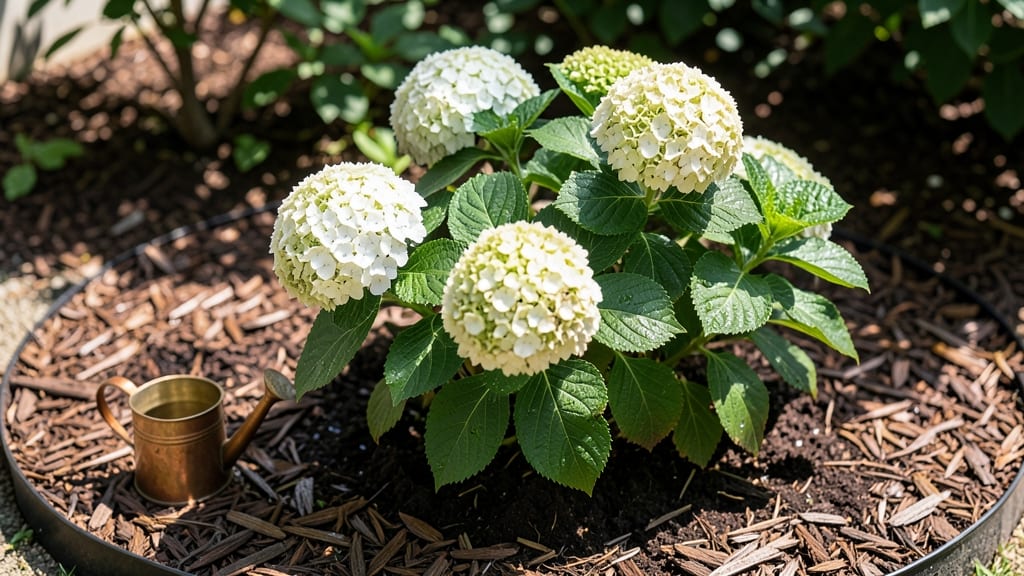
How to grow this Annabelle hydrangea—those snowball-sized white blooms are what make them worth the wait once you know their secrets. 🌿 I planted mine last spring and now they’re the star of my shade garden, thriving where other plants struggle. The key? Getting sunlight, soil, and spacing just right from day one.
Start with partial shade (4-6 hours of morning sun) and moist, well-draining soil—Annabelles hate soggy roots. Amend heavy clay with compost, and space plants 3-5 feet apart to prevent overcrowding. Most beginners overwater or plant too close, which leads to floppy stems and fewer blooms.
By summer, you’ll see bold, papery-white blooms that last from midsummer to frost. Prune in late winter to shape the plant, and fertilize lightly in spring. The blooms are sterile (no seeds), so they stay showy all season without spreading.
Perfect for USDA zones 3-9, these hydrangeas handle heat and humidity better than most. Even in small gardens, they make a statement—just don’t plant them in full sun or dry soil. Let’s get those blooms growing!
📚 In This Guide
- What you need
- Instructions
- Tips and common mistakes
- Wrapping up and next steps
What you need
- ● Annabelle hydrangea plants: 1-3 nursery-grown plants (bare-root or potted, depending on planting season). Look for Hydrangea arborescens ‘Annabelle’ tags for authenticity.
- ● Well-draining soil: A mix of 50% garden soil, 30% compost, and 20% perlite or coarse sand (amends heavy clay or sandy soil). Aim for a pH of 5.0–6.0 (slightly acidic).
- ● Organic mulch: 2–3 inches of wood chips, shredded bark, or pine straw to retain moisture and regulate soil temperature.
- ○ Slow-release fertilizer: A balanced 10-10-10 or 12-12-12 granular fertilizer (apply 2–3 times per year during growing season). Optional: Use hydrangea-specific fertilizer for extra blooms.
- ● Watering can or hose with a gentle spray nozzle: Annabelle hydrangeas need 1–1.5 inches of water per week (more in extreme heat).
- ● Garden gloves and trowel: For planting and pruning (protect your hands from thorns!).
- ● Pruning shears: Bypass pruners (sharp, clean, and disinfected with rubbing alcohol to prevent disease).
- ○ Support stakes (optional but helpful): 3–4 ft bamboo stakes or metal plant cages if your hydrangea flops under bloom weight.
- ● Sunlight: Partial sun to partial shade (4–6 hours of morning sun and afternoon shade, especially in hot climates). Avoid full shade—it reduces blooms!
- ● Spacing: Plant 3–5 feet apart to allow airflow and prevent overcrowding (they’ll grow 3–5 ft tall/wide).
- ● Hardiness zone: USDA Zones 3–9 (check your local zone here).
- ● Container option (for small spaces): A 15–20 gallon pot with drainage holes if growing in containers (use the same soil mix!).
Step-by-Step instructions for planting and caring for Annabelle hydrangeas
Here's how to coax those signature white, dome-shaped blooms from your Annabelle hydrangea—with the right light, soil, and spacing.
🌱 Step 1: Choose the Perfect Planting Location
Annabelle hydrangeas thrive in partial shade—think morning sun with afternoon shade or dappled sunlight under trees. Too much direct sun scorches leaves and blooms, while too little light weakens stems and reduces flower size. I always scout the spot first: if the ground stays dry for hours after rain, it's too sunny.
Test your site by marking a 6-foot diameter circle (their mature spread). Walk through it at different times of day. The ideal location gets 4-6 hours of morning sun and filtering shade after 10 AM. If your yard is all sun or all shade, adjust by planting near a north-facing wall or under a large tree with open branches.
🪴 Step 2: Prepare the Soil for Optimal Growth
Annabelle hydrangeas demand rich, well-draining soil with a slightly acidic pH (5.2-6.0) for those signature blooms. Start by amending the soil with 3-4 inches of organic matter—I mix in compost and peat moss (or coconut coir) to improve moisture retention and acidity. Dig this down 12 inches deep to loosen compacted layers.
Test your soil's pH with a kit—if it's above 6.0, add sulfur or pine needles to lower it gradually. Avoid garden centers' "acid-loving plant" mixes; they often contain too much nitrogen, which encourages leafy growth over blooms. Instead, blend 50% native soil, 30% compost, and 20% peat moss for the perfect balance.
☀️ Step 3: Plant at the Right Depth and Spacing
Dig a hole twice as wide as the root ball but no deeper—planting too deep suffocates roots and causes rot. Gently remove the hydrangea from its container and loosen roots that circle tightly (a common issue with nursery plants). Place it in the hole so the top of the root ball sits 1 inch above soil level—this prevents stem rot during heavy rains.
Space plants 4-6 feet apart (closer for smaller gardens, but expect fewer blooms). I always plant 4 hydrangeas in a cluster to create a dramatic, full effect. Water deeply right after planting to settle the soil and eliminate air pockets. Press the soil gently around the base, but don’t compact it—roots need room to breathe.
💧 Step 4: Water and Mulch for Consistent Moisture
Annabelle hydrangeas hate drought stress—their blooms wilt dramatically if soil dries out. Water deeply 2-3 times per week during the first growing season, aiming for 1-2 inches of water per week. Check moisture by sticking your finger 2 inches into the soil; if it feels dry, water again. Overhead watering leads to fungal diseases, so use a soaker hose or drip irrigation at the base.
Apply 3 inches of mulch (cypress or pine straw works best) around the base, keeping it 6 inches away from the stem to prevent rot. Mulch retains moisture, regulates soil temperature, and slowly releases nutrients. Replenish mulch annually—it breaks down faster than you’d expect, especially in hot climates. Avoid wood chips; they can raise soil pH over time.
✂️ Step 5: Prune for Next Year’s Blooms
Annabelle hydrangeas bloom on new wood, so prune late winter or early spring (just as buds swell) to shape the plant and encourage strong growth. Remove dead or crossing branches first, then cut back last year’s stems to 6-12 inches above the ground. Never prune in fall—you’ll remove next year’s flower buds.
For established plants, thin out 10-20% of the oldest stems each year to improve airflow and bloom size. I always prune on a dry, cloudy day to reduce stress on the plant. After pruning, fertilize lightly with balanced 10-10-10 to support new growth. Avoid high-nitrogen fertilizers—they produce lush foliage but fewer blooms.
Tips & tricks for perfect Annabelle hydrangea cultivation
Between us, these hydrangeas are finicky about their environment—but once you nail the details, you'll get blooms bigger than your neighbors' envy. Here's what nobody tells you about growing these showstoppers.
Sunlight Strategy: That 4-6 hours of sunlight range is non-negotiable, but timing matters more than you'd think. The morning sun should be gentle—think dappled light through tree branches rather than direct exposure. I've seen plants in full morning sun with afternoon shade produce blooms twice the size of those in harsh afternoon light. If you're planting near a window, rotate the pot weekly to prevent lopsided growth.
Soil Science: The pH 5.5-6.0 range isn't just a suggestion—it's the difference between white pom-poms and sad pink blooms. I always test my soil before planting, and if it's above 6.0, I mix in elemental sulfur at planting time (about 1 pound per 100 square feet). For container growing, use a pre-mixed acidic potting soil and add hydrangea food every 4-6 weeks during bloom season. The compost layer in Step 2 should be well-aged—fresh compost can burn roots.
Watering Wisdom: Those 1-2 gallons per watering in Step 3 aren't just about quantity—they're about technique. I've learned the hard way that surface watering leads to shallow roots. Instead, use a soaker hose or drip irrigation to deliver water directly to the root zone. For container plants, I water until it runs out the drainage holes—this ensures the entire root ball gets hydrated. The 2-inch moisture check is your best friend, but remember that containers dry out faster than in-ground plantings.
Pruning Precision: The "right after flowering" timing in Step 4 is critical because Annabelle hydrangeas bloom on old wood. I mark my calendar for late August to avoid cutting off next year's buds. When thinning to 6-8 strong canes, look for stems that are at least pencil-thick—they'll support the weight of those massive blooms. And here's a pro secret: always cut back to a outward-facing bud to encourage the plant to grow away from the center, creating a fuller shape.
Pro Tips for Grow Annabelle Hydrangea
- Between us, these hydrangeas are finicky about their environment—but once you nail the details, you'll get blooms bigger than your neighbors' envy.
- Sunlight Strategy: That 4-6 hours of sunlight range is non-negotiable, but timing matters more than you'd think.
- Soil Science: The pH 5.5-6.0 range isn't just a suggestion—it's the difference between white pom-poms and sad pink blooms.
Frequently asked questions
Got questions about growing Annabelle hydrangeas? You’re not alone! Here are some of the most common concerns—and their answers—to help you cultivate stunning, sun-loving blooms with ease.
How much sun does an Annabelle hydrangea really need?
Annabelle hydrangeas thrive in partial shade (morning sun + afternoon shade), but they can tolerate full sun in cooler climates (zones 3–9). If grown in hot, direct sun, mulch heavily and water consistently to prevent wilting. Pro tip: Watch for leaf scorch—if edges crisp, it’s time to adjust shade!
When is the best time to plant Annabelle hydrangeas?
Plant in early spring or fall (4–6 weeks before frost) for optimal root establishment. Avoid summer heat, which stresses young plants. Bare-root varieties can go in anytime, but potted plants need time to acclimate. Bonus: Container growing? Plant anytime—just keep soil moist!
How often should I water Annabelle hydrangeas?
Water deeply 1–2 times per week (more in extreme heat or drought). These hydrangeas hate soggy roots but detest dry spells. Test soil moisture: Stick your finger 2 inches down—if dry, water thoroughly. Mulch (2–3 inches) retains moisture and regulates soil temp.
Why aren’t my Annabelle hydrangeas blooming?
Common culprits:
- Too much shade (needs 4+ hours of light daily).
- Over-fertilizing with nitrogen (promotes leaves, not flowers). Use a balanced 10-10-10 or hydrangea-specific fertilizer in early spring.
- Pruning at the wrong time—wait until late winter/early spring (before buds swell).
- Stress from transplant shock (give it 1–2 seasons to establish).
Can I grow Annabelle hydrangeas in containers?
Choose a large pot (15+ gallons) with drainage holes and use well-draining potting mix. Repot every 2–3 years. Container tips:
- Water more frequently (containers dry faster).
- Fertilize monthly during growing season.
- Move pots to shade if leaves yellow (overheating).
Wrapping up and next steps
Growing Annabelle hydrangeas is all about patience, the right conditions, and a little love—just like nurturing a friendship! 🌸 With the perfect balance of sunlight, well-draining soil, and proper spacing, you’ll be rewarded with those iconic, globe-shaped blooms that turn heads in every season.
Remember, mulching, pruning, and consistent watering are your secret weapons for bigger, healthier flowers.
Now that you’re armed with the know-how, roll up your sleeves and get planting! 🌱 Start with a single Annabelle hydrangea this spring, and soon, your garden will be a showstopper. Happy gardening!