
Propagation
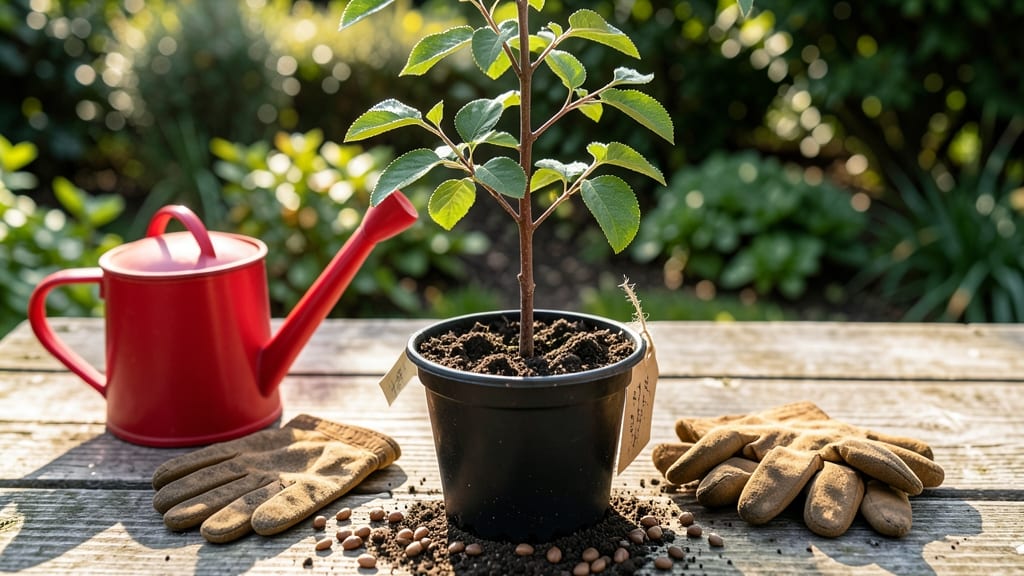
How to grow apple from seeds at home—that first green shoot after months of waiting proves it works. 🌱 Growing apples from seeds is the ultimate long-game gardening project—what starts as a tiny seedling could one day bear fruit, though the real magic happens years down the road when you finally taste your own homegrown apple.
Here's the thing—you won't get the same apple you planted. That's the fun (and frustrating) part of seed-grown trees: genetic roulette means your tree might produce tiny, tart apples or something completely unexpected. But the journey itself is rewarding, especially when you see those first leaves unfurl in spring.
You'll need patience, a cold fridge for stratification, and a sunny spot for your young tree. The process takes 3-5 years just to see fruit, but the satisfaction of growing something from scratch—literally—is unmatched. Even if the apples aren't perfect, the tree itself becomes a living heirloom.
Perfect for gardeners who love projects with payoffs years in the future. The best part? You're not just growing fruit—you're growing a piece of your own gardening legacy. Let's get those seeds started!
📚 In This Guide
- What you need
- Instructions
- Tips and common mistakes
- Wrapping up and next steps
What you need
- ● Apple seeds: 3–5 fresh, viable seeds from a ripe apple (avoid hybrid varieties like Gala or Fuji—they may not grow true to type).
- ● Small pots or seed trays: 2–3 shallow containers (3–4 inches deep) with drainage holes.
- ● Well-draining potting mix: A lightweight blend of peat moss, perlite, and compost (or a seed-starting mix).
- ● Plastic wrap or humidity dome: To retain moisture while seeds germinate.
- ● Spray bottle: For gentle watering (avoid over-saturating seeds!).
- ● Grow lights or sunny windowsill: A spot with 6–8 hours of indirect light daily (south-facing is ideal).
- ● Larger pots (6–8 inches): For transplanting seedlings once they sprout 2–3 true leaves.
- ○ Fertilizer (optional but helpful): A balanced, water-soluble fertilizer (e.g., 10-10-10) diluted to half-strength for young seedlings.
- ● Seed stratification setup: A refrigerator or cold frame to mimic winter chilling (if seeds aren’t pre-chilled).
- ● Heating mat: Speeds up germination in cooler climates (set to 70–75°F).
- ● Pruning shears: For trimming leggy seedlings later.
- ● Mulch (wood chips or straw): Once planted outdoors, to retain moisture and regulate soil temp.
- ● Tree guards or cages: Protect young saplings from pests and wind.
Step-by-Step instructions for growing apple trees from seeds at home
Here's how to nurture your own apple tree from a simple seed—it takes time, but the reward is unmatched satisfaction.
🌱 Step 1: Select and Prepare Your Apple Seeds
Start with fresh apple seeds from a variety you love—store-bought seeds work fine, but avoid hybrid apples since they may not produce true fruit. Remove seeds from the core and let them dry at room temperature for 3-5 days until slightly wrinkled. This mimics natural stratification and improves germination rates.
Once dry, place the seeds in a paper towel or moistened vermiculite inside a sealed plastic bag. Store them in the refrigerator for 6-8 weeks to simulate winter. Check periodically—they should feel damp but not soggy. This cold treatment breaks seed dormancy, ensuring stronger, more vigorous seedlings.
🌱 Step 2: Sow the Seeds for Germination
After stratification, fill small 2-3 inch pots with sterile seed-starting mix (never garden soil—it’s too dense and may harbor pathogens). Plant 2-3 seeds per pot about ½ inch deep, pressing gently to ensure good soil contact. Water lightly until the soil feels evenly moist but not waterlogged.
Cover the pots with clear plastic wrap or a humidity dome to retain moisture and warmth. Place them in a warm, dark spot (around 65-70°F) until sprouts appear, which typically takes 4-8 weeks. Avoid direct light at this stage—seedlings need energy to develop roots first. You’ll know they’re ready when tiny green shoots break through the soil.
☀️ Step 3: Transplant Seedlings to Individual Pots
Once seedlings reach 2-3 inches tall with 2-3 true leaves, transplant them into 4-inch pots filled with well-draining potting mix. Handle the seedlings carefully—they’re fragile at this stage. Water deeply after transplanting to help settle the soil around the roots.
Move the pots to a bright, indirect light spot (like a south-facing window) and gradually introduce them to direct sunlight over 1-2 weeks. Seedlings need 6+ hours of light daily to grow strong. If leaves start looking pale or stems stretch excessively, they’re not getting enough light—supplement with a grow light if needed.
🪴 Step 4: Grow Outdoors and Prepare for Planting
After 6-8 months, when seedlings are 12-18 inches tall, they’re ready for outdoor planting. Choose a sunny, sheltered spot with well-draining soil—apples thrive in full sun and rich, slightly acidic soil (pH 6.0-7.0). Dig a hole twice as wide as the root ball but only as deep.
Plant in early spring (after the last frost) to give the tree time to establish before winter. Water deeply after planting and mulch around the base with 2-3 inches of organic mulch (like wood chips) to retain moisture and suppress weeds. Keep the soil consistently moist but never soggy—young trees are prone to root rot.
⏰ Step 5: Care for Long-Term Growth and Fruit Production
Apple trees grown from seed take 5-10 years to bear fruit (if they do at all—seed-grown trees rarely match the parent’s quality). Prune annually in late winter to shape the tree and remove dead or crossing branches. Use clean, sharp pruners and make cuts just above a bud or branch collar to encourage healing.
Fertilize in early spring with a balanced, slow-release fertilizer (like 10-10-10) to support growth. Water deeply once a week during dry spells, aiming for 1-1.5 inches of water per week. Monitor for pests like aphids or apple maggots—use neem oil or insecticidal soap if needed. Patience is key; focus on strong, healthy growth now for future rewards.
Tips & tricks for growing apple trees from seeds at home
These game-changing insights will help you maximize your chances of success with this rewarding but delicate process.
The Seed Selection Game-Changer: For the best results, choose seeds from heirloom apple varieties rather than commercial ones. Heirloom apples often produce trees that more closely resemble the parent fruit. I’ve found that seeds from organic apples tend to germinate more reliably—avoid seeds treated with fungicides or preservatives, as these can inhibit growth. If you’re using store-bought apples, select organic varieties like Granny Smith or Fuji, which often have higher germination rates.
Stratification Success: The 6-8 week cold treatment in Step 1 is absolutely critical—don’t skip it! I’ve seen seeds that skipped stratification either fail to germinate or produce weak, leggy seedlings. To track progress, place a small piece of tape on your refrigerator door with the date you started stratification. This visual reminder prevents forgetting about your seeds during the long wait. Keep the seeds consistently damp but never soggy during this period; excess moisture can lead to mold.
Light Management for Strong Seedlings: In Step 3, when you’re transitioning seedlings to direct sunlight, do it gradually over those 1-2 weeks. I’ve learned the hard way that sudden exposure can cause sunburn on delicate young leaves. Start with just 30 minutes of direct sun in the morning, then slowly increase exposure. Watch for leaves that look pale or have yellow patches—this is your signal to slow down the transition. A simple grow light can be a lifesaver if natural light isn’t sufficient in your space.
Outdoor Planting Preparation: Before moving your 6-8 month old seedlings outdoors in Step 4, harden them off by placing them outside in a sheltered spot for 2-3 hours each day for a week. This gradual acclimation prevents shock when they’re permanently planted. I always check the soil pH before planting—apples thrive in slightly acidic soil (pH 6.0-7.0). If your soil tests higher, amend it with peat moss or sulfur before planting. The extra effort now means healthier trees later.
Pro Tips for Grow Apple From Seeds At Home
- These game-changing insights will help you maximize your chances of success with this rewarding but delicate process.
- The Seed Selection Game-Changer: For the best results, choose seeds from heirloom apple varieties rather than commercial ones.
- Stratification Success: The 6-8 week cold treatment in Step 1 is absolutely critical—don’t skip it!
Frequently asked questions
Got questions about growing apples from seeds? You’re not alone—this method takes time and care, but the rewards are sweet! Here are some of the most common questions (and answers) to help you succeed.
How long does it take for an apple seed to sprout?
Apple seeds can take anywhere from 3 to 6 weeks to sprout, depending on temperature, moisture, and seed viability. Keep the soil consistently moist and warm (around 70°F) to encourage faster germination. Patience is key—some seeds may take even longer!
Will my apple tree grown from seed produce fruit?
Yes, but it may take 5 to 10 years (or longer) before your tree bears fruit. The variety might not match the parent apple—seeds produce unpredictable results. If you want consistent, high-quality apples, consider grafting later or buying a known variety.
Can I grow apples from store-bought seeds?
Store-bought apple seeds work fine, but avoid seeds from hybrid or proprietary varieties (like those from grocery stores), as they may not grow true to type. For better odds, use seeds from heirloom or organic apples. Just remember: no pesticides near the seeds!
What should I do if my seedling gets pests or diseases?
Keep an eye out for aphids, spider mites, or fungal spots (like powdery mildew). Treat mild issues with neem oil or insecticidal soap. Ensure good airflow and avoid overwatering to prevent disease. If pests persist, isolate the plant and research organic solutions.
Can I grow apple seeds indoors first?
Yes! Start seeds indoors in biodegradable pots 6–8 weeks before the last frost. Use a sunny windowsill or grow lights, keeping soil moist. Once seedlings are 3–4 inches tall and frost risk has passed, transplant them outdoors for stronger growth.
How cold-hardy are apple seedlings?
Apple seedlings are not as cold-hardy as mature trees. In their first year, protect them from harsh winters with mulch or frost cloth. Mature trees (5+ years) can handle USDA zones 4–8, but young plants need extra care in colder climates.
Wrapping up and next steps
Growing an apple tree from seed is a rewarding journey that teaches patience and connects you to nature’s cycles.
While it may take years before you enjoy homegrown fruit, every step—from planting to nurturing—is a chance to witness life unfold in your own hands. Now that you’re armed with tips and tricks, why not start small? Grab those apple seeds, pick a sunny spot, and let your green thumb take root—literally! 🌱
Next step: Share your progress with fellow gardeners or dive deeper into pruning techniques to shape your future tree. Happy growing!