
Size
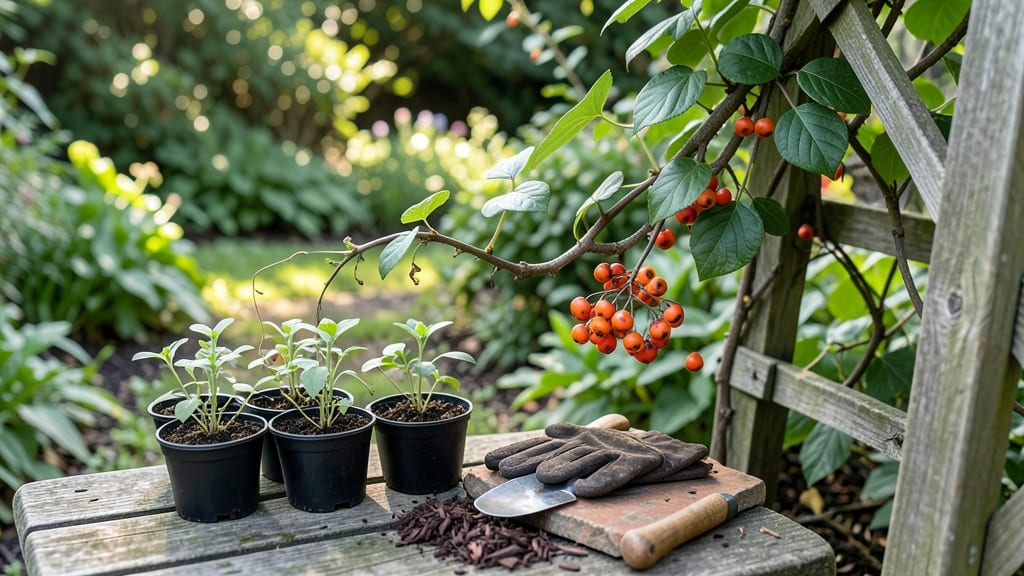
How to grow a bittersweet plant turns bare fences into golden autumn masterpieces with almost no effort. 🌿 I’ve grown them for years, and the secret isn’t complicated—just the right spot, a little patience, and knowing which variety suits your climate. Some spread aggressively, while others stay neatly contained; I’ll show you how to pick the right one for your yard.
The two most common types—Celastrus scandens (American bittersweet) and Solanum dulcamara (European bittersweet)—have different needs. One thrives in full sun, while the other tolerates shade, and both need well-draining soil.
Start with cuttings for faster results, or grow from seed if you’re patient (it takes 2-3 years for seed-grown plants to flower). Either way, watering is easy: just keep the soil moist until roots establish, then let it dry slightly between waterings.
By late summer, you’ll see those iconic orange berries forming, and by fall, your yard will look like a postcard. The vines climb effortlessly on trellises or fences, and pruning is minimal—just trim back leggy growth in early spring.
Just watch out in some states where they’re invasive; I’ll cover how to keep them in check without sacrificing beauty.
Perfect for gardeners who want low-maintenance color without the fuss. Whether you’re in a sunny border or a shady corner, bittersweet delivers year after year. Let’s get those vines growing!
📚 In This Guide
- What you need
- Instructions
- Tips and common mistakes
- Wrapping up and next steps
What you need
- ● Bittersweet plant: Seeds, cuttings, or tubers (choose Celastrus scandens for native American bittersweet or Celastrus orbiculatus for Oriental bittersweet).
- ● Well-draining soil: Mix of garden soil, compost, and perlite (ratio: 2 parts soil, 1 part compost, 1 part perlite).
- ● Sunlight access: A sunny or partially shaded spot (6+ hours of sunlight daily for best growth).
- ● Watering can or hose: With a gentle spray nozzle for hydration.
- ○ Fertilizer (optional but helpful): Balanced 10-10-10 or slow-release granular fertilizer (1 tbsp per plant, applied every 4-6 weeks).
- ● Support structure: Trellis, fence, or arbor (6-8 ft tall for climbing vines).
- ● Pruning shears: Sharp, clean shears for trimming (sterilize with rubbing alcohol between cuts).
- ○ Mulch (optional): Organic mulch (e.g., wood chips) to retain moisture and suppress weeds.
- ● Soil pH tester: Ideal pH range: 6.0–7.0 (adjust with lime or sulfur if needed).
- ● Epsom salt: For magnesium boost (1 tbsp dissolved in 1 gallon of water, applied monthly).
- ● Plant ties or clips: To secure vines to trellises during early growth.
- ● Pest control: Neem oil or insecticidal soap (if aphids or spider mites appear).
- ● Garden gloves: For handling prickly stems or thorny varieties.
Step-by-step instructions for establishing bittersweet vines
Bittersweet thrives when you follow its natural growth rhythm—here’s how to get those iconic vines off to a strong start.
🌱 Step 1: Select and Prepare the Planting Site
Bittersweet performs best in partial shade to full sun, with at least 4-6 hours of morning light to prevent leaf scorch. I always choose a location with 6-foot-tall support structures—trellises, fences, or arbors—since the vines can reach 15-20 feet annually. Test the soil first: bittersweet tolerates a wide range, but sandy loam with good drainage ensures vigorous growth.
Dig a hole twice as wide as the root ball but no deeper—bittersweet roots spread horizontally, not vertically. Amend heavy clay with 2-3 inches of compost mixed into the native soil. If your site has poor drainage, mound the planting area slightly to prevent root rot, which is the #1 killer of young bittersweet plants.
🪴 Step 2: Plant and Stake for Support
Remove the plant from its container and loosen any circling roots with your fingers—bittersweet hates root-bound stress. Place it in the hole so the top of the root ball sits level with the surrounding soil (never buried deeper). Backfill with native soil, tamping gently to eliminate air pockets.
Install a 4-6 foot tall stake immediately next to the plant and loosely tie the main stem with soft plant ties (never wire—it cuts into tender vines). Water deeply to settle the soil, then add 2 inches of mulch (wood chips or shredded bark) around the base, keeping it 3 inches away from the stem to prevent rot. Here’s the thing—bittersweet establishes best when the soil stays consistently moist but never soggy during the first growing season.
☀️ Step 3: Train Vines and Monitor Growth
Once new growth reaches 6-12 inches, gently weave the tips through the trellis or support structure. Bittersweet climbs by twining, not clinging, so you’ll need to guide the vines weekly until they latch onto the framework naturally. Prune any leggy growth that exceeds 12 inches beyond the support—this encourages bushier, more productive vines.
Fertilize lightly in early spring with a balanced 10-10-10 formula (½ cup per plant), but skip heavy feeding—bittersweet grows best in moderate soil fertility. Watch for yellowing leaves, which signal overwatering or nutrient burn. If you see this, reduce watering slightly and flush the soil with 1 gallon of water to leach excess salts.
✂️ Step 4: Prune for Year-Round Interest
The magic of bittersweet lies in its four-season appeal, so pruning isn’t about shaping—it’s about timing. In late winter or early spring (before buds swell), cut back one-third of the oldest stems to the ground. This rejuvenates the plant and prevents the vines from becoming woody and less flexible.
Throughout the growing season, remove dead or crossing branches to improve airflow. Never prune in fall—you’ll cut off next year’s flower buds, which develop on old wood. Here’s my pro tip: leave some last year’s stems standing even after pruning—they’ll produce the brightest berries for winter interest.
💧 Step 5: Winterize for Cold Hardiness
Bittersweet is hardy to USDA Zone 3, but young plants benefit from seasonal protection. In Zone 4-5, mound 4-6 inches of mulch around the base after the first hard frost. For container-grown bittersweet, wrap the pot in bubble wrap and move it to a sheltered, unheated garage (never below 20°F).
In spring, remove winter protection once daytime temperatures consistently reach 50°F. You’ll know it’s working when you see new shoots emerging from the base—this means the roots survived the cold and are ready to fuel another season of vigorous growth. Bittersweet’s slow-to-fast growth cycle is its secret weapon: patience pays off with decades of low-maintenance beauty.
Tips & tricks for growing thriving bittersweet vines
These little-known strategies will help you cultivate bittersweet that stays lush, productive, and problem-free for years.
Soil Test Smart: Before amending your soil with compost, do a quick DIY test by squeezing a handful—if it forms a firm ball, you definitely need that 2-3 inch compost layer. For heavy clay soils, I've found mixing a 50/50 blend of native soil and compost prevents waterlogging better than just adding compost alone. The key is improving drainage while maintaining structure, not turning your soil into pure compost.
Planting Season Matters: Early spring and fall are ideal because bittersweet establishes best when temperatures stay mild. I've learned the hard way that planting in summer heat causes transplant shock—you'll see wilting within days. When planting, positioning the root ball just 1-2 inches below soil level creates the perfect balance: enough coverage for stability without burying the stem. This small detail prevents rot while encouraging strong root growth.
Watering Wisdom: Those first 2-3 months are critical for deep root development. Watering deeply once a week means soaking until soil 4 inches down feels moist—not just damp at the surface. After establishment, you can reduce to every 2 weeks, but only when vines show 3-4 feet of growth and look sturdy. The visual cue is key: healthy bittersweet should have firm stems that don't wilt when touched.
Pruning with Purpose: When you prune in late winter, focus on cutting back one-third of last year's growth to encourage bushier vines. I've noticed that removing leggy stems to half their length creates more berry production—those long, bare stems were just stealing energy from the plant. Always use soft plant ties, never wire or anything rigid, because bittersweet's brittle stems snap easily when restrained too tightly.
Pro Tips for Grow Bittersweet Plant
- These little-known strategies will help you cultivate bittersweet that stays lush, productive, and problem-free for years.
- Soil Test Smart: Before amending your soil with compost, do a quick DIY test by squeezing a handful—if it forms a firm ball, you definitely need that 2-3 inch compost layer.
- Planting Season Matters: Early spring and fall are ideal because bittersweet establishes best when temperatures stay mild.
Frequently asked questions
Got questions about growing bittersweet plants? You’re not alone!
Here are answers to the most common queries to help you cultivate lush, vibrant vines with confidence.
Can bittersweet plants grow in containers?
Bittersweet thrives in containers as long as the pot is at least 12–18 inches deep with drainage holes. Use well-draining potting mix and repot every 2–3 years to refresh nutrients. Just place the container in a spot with full sun to partial shade for best results.
How long does it take for bittersweet to produce berries?
Bittersweet is a slow starter—expect berries in 2–3 years for mature plants. Young vines focus on root and vine growth first. For faster results, plant established nursery-grown vines (1–2 years old) instead of seeds.
Are bittersweet berries toxic to birds or pets?
Yes! While birds love the berries, they’re toxic to dogs, cats, and humans if ingested in large quantities. Keep pets away from the plant, and avoid consuming the berries. Opt for non-toxic alternatives like Celastrus orbiculatus (a safer vine) if safety is a concern.
When should I prune bittersweet for better growth?
Prune in late winter or early spring (before new growth) to shape the plant and remove dead/diseased vines. Avoid heavy pruning in fall—it can stimulate tender new growth that won’t survive winter. Use sterilized pruners to prevent disease spread.
Why aren’t my bittersweet vines turning orange?
Bright orange berries need full sun (6+ hours/day) and well-draining soil. If your vines are in shade or soggy soil, they may produce fewer berries. Try moving the plant to a sunnier spot or improving drainage. Over-fertilizing can also dull color—use a balanced fertilizer sparingly in spring.
Wrapping up and next steps
Growing bittersweet plants is a rewarding way to add vibrant color and texture to your garden with minimal effort! Whether you’re drawn to their striking berries or low-maintenance charm, these hardy vines thrive with just the right balance of sunlight, soil, and patience.
Remember, consistency in watering and occasional pruning will keep them lush and healthy year after year.
Now that you’re armed with the know-how, take the next step—pick a sunny spot, grab your gloves, and start planting! Your future garden will thank you with bursts of autumnal beauty. 🌿✨