
Size
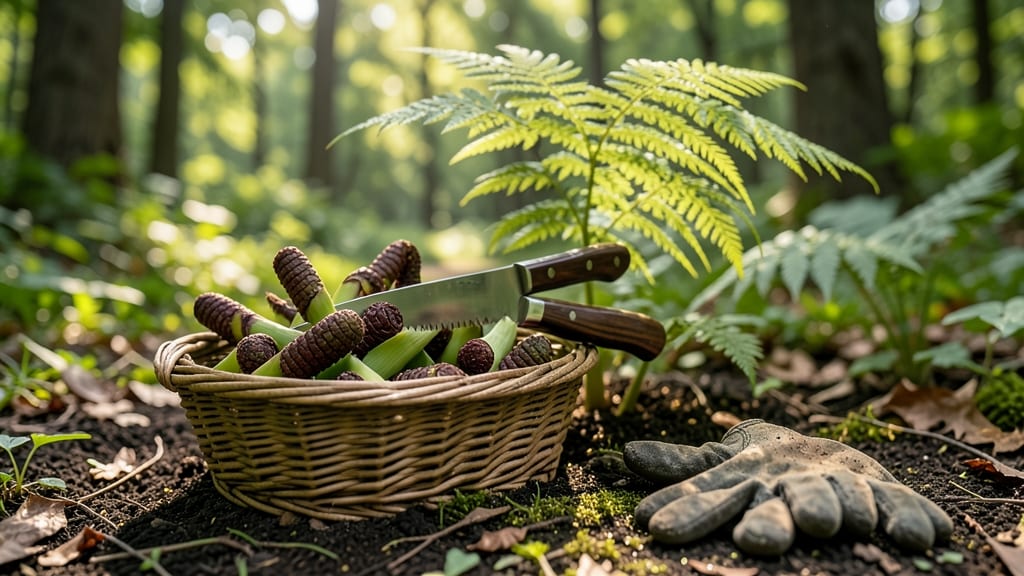
Learning how to grow fiddleheads feels like unlocking a secret garden treasure. 🌿 These delicate, edible fern shoots emerge in spring, and with the right approach, you can harvest them in just 6 weeks—faster than most vegetables.
I tried growing them last year, and the first tender shoots made me realize how easy (and rewarding) this can be, even for beginners.
The key is patience and precision—fiddleheads need consistently moist soil, partial shade, and cool temperatures to thrive. You don’t need fancy equipment: just a shady spot in your yard, some organic matter for soil, and a little attention to moisture.
Most people struggle with overwatering or too much sun, but once you get the balance right, the plants reward you with harvest-ready shoots by late spring.
Imagine plucking fresh fiddleheads straight from your garden to sauté with butter and garlic—no store-bought substitutes needed. The flavor is delicate, slightly nutty, and packed with nutrients.
With the right setup, you’ll have a steady supply of these spring delicacies year after year, and your neighbors will be asking for tips.
Whether you’re growing in a shady corner of your yard or a large container, fiddleheads adapt well as long as you mimic their natural woodland habitat. The biggest mistake? Waiting too long to harvest—shoots uncurl quickly, so keep an eye on them. Let’s get those first shoots growing!
📚 In This Guide
- What you need
- Instructions
- Tips and common mistakes
- Wrapping up and next steps
What you need
- ● Ostrya virginiana (Hop Hornbeam) or Matteuccia struthiopteris (Ostrich Fern) seeds or roots – 5–10 seeds/roots (ensure they’re fresh or dormant for best results).
- ● Well-draining potting mix – 5–10 gallons (use a blend of peat moss, perlite, and compost for moisture retention without waterlogging).
- ● Large containers or garden beds – At least 12–18 inches deep (if container-growing, use pots with drainage holes).
- ● Organic fertilizer – Balanced 10-10-10 or slow-release compost (1–2 cups per plant, mixed into soil).
- ● Watering can or hose with a gentle spray nozzle – Ferns love moisture but hate soggy roots!
- ○ Mulch (optional but helpful) – Shredded bark or straw to retain soil moisture and suppress weeds.
- ● Garden trowel or shovel – For planting seeds/roots and transplanting.
- ● Pruners or sharp scissors – To harvest fiddleheads cleanly.
- ○ pH test kit (optional) – Aim for a soil pH of 5.5–6.5 (slightly acidic).
- ○ Gloves (optional) – Protects hands from soil and sharp fiddlehead fronds.
- ● Partial shade – 30–50% sunlight (direct sun can scorch fiddleheads).
- ● Consistent moisture – Keep soil damp but not waterlogged (fiddleheads thrive in humid conditions).
- ● Patience – Fiddleheads take 6–8 weeks to mature from planting!
Step-by-step instructions for growing fiddleheads at home
Here's how to cultivate tender fiddleheads from scratch—no greenhouse needed.
🌱 Step 1: Select and Prepare Ostrich Fern Rhizomes
Choose healthy Ostrich fern (Matteuccia struthiopteris) rhizomes from a reputable supplier. Look for firm, plump rhizomes with multiple buds—these will produce the most vigorous shoots. Soak the rhizomes in lukewarm water for 12-24 hours before planting to rehydrate them fully.
After soaking, gently inspect each rhizome for soft spots or mold. Discard any that feel mushy or smell off—these won't survive. The best rhizomes have 3-5 buds along their length, each capable of producing a new frond. I like to plant them in early spring, just as dormancy breaks naturally.
🪴 Step 2: Plant Rhizomes in Moist, Well-Draining Soil
Fill a 12-inch deep container with a mix of 50% peat moss and 50% perlite—this ensures excellent drainage while retaining enough moisture. The rhizomes need consistent dampness but will rot if waterlogged. Add a 1-inch layer of coarse sand at the bottom to improve drainage further.
Plant each rhizome horizontally, 2 inches below the soil surface, with the buds facing upward. Space them 6 inches apart in the container. Press the soil gently around them to eliminate air pockets but don't compact it. Water lightly until the surface feels evenly moist—like a wrung-out sponge.
☀️ Step 3: Provide Indirect Light and High Humidity
Place your container in a spot with bright, indirect light—think dappled shade under a tree or a north-facing window. Direct sunlight will scorch the emerging fiddleheads, while too little light slows growth. You'll know the light is right when new shoots appear within 2-3 weeks and grow upright without leaning.
Cover the container with a clear plastic dome or plastic wrap to maintain 80-90% humidity until shoots reach 4 inches tall. Mist the soil daily to keep it consistently damp. The high humidity mimics the fern's natural woodland environment and prevents the delicate fiddleheads from drying out.
💧 Step 4: Water and Fertilize for Rapid Growth
Once shoots emerge, remove the plastic cover but continue to water when the top 1 inch of soil feels dry. Use room-temperature water to avoid shocking the roots. Fertilize lightly with a balanced liquid fertilizer (10-10-10) diluted to half strength every 2 weeks. Too much fertilizer burns the tender fronds, so less is always better.
Watch for fiddlehead formation—they'll appear as tightly coiled, green shoots about 3-4 weeks after planting. At this stage, reduce watering slightly to let the soil dry out slightly between waterings. Overwatering now causes the fiddleheads to split or rot before they're ready for harvest.
✂️ Step 5: Harvest and Encourage Regrowth
Harvest fiddleheads when they're 6-8 inches tall and the outer scales are still tightly coiled. Use clean scissors to cut them at the base, leaving 2 inches of stem attached. Harvest in the morning when the fiddleheads are most tender. You should get 4-6 harvests per season from a single rhizome if cared for properly.
After harvesting, fertilize again with half-strength fertilizer to encourage new growth. The rhizomes will continue producing fiddleheads for 4-6 weeks before needing a rest period. Once growth slows, reduce watering and move the container to a cooler spot (50-60°F) for 2 months
Tips & tricks for perfect fiddlehead cultivation
Growing fiddleheads from scratch rewards patience with a bountiful harvest—here's how to maximize your success without common pitfalls.
Rhizome Selection Tip: The quality of your Ostrich fern rhizomes determines 80% of your success. Look for rhizomes with 3-5 buds that feel firm and heavy for their size—this indicates stored energy for vigorous growth. I've found that rhizomes with buds spaced evenly along their length produce more uniform shoots. Avoid any with dark spots or an unpleasant odor, as these signal decay. The 12-24 hour soaking period isn't just about hydration; it's also a great time to inspect each rhizome for hidden damage you might have missed initially.
Soil Science: That 50% peat moss/50% perlite mix isn't arbitrary—peat moss holds moisture while perlite prevents compaction. The 1-inch sand layer at the bottom creates a capillary break that prevents waterlogging. Here's what I do differently: I sift the soil mix through a fine mesh screen to eliminate any large particles that could create air pockets around the rhizomes. This ensures consistent contact between the rhizome and growing medium, which is critical for root development.
Light Management: The bright, indirect light requirement is often misunderstood. While north-facing windows work, early morning sunlight (before 10 AM) can actually be beneficial if filtered through sheer curtains. I use a simple trick to test light conditions: Place a piece of white paper near your container—if you can read it easily but still see shadows, you've got the right balance. Too little light? The shoots will grow leggy and pale. Too much? You'll notice yellowing at the tips within days.
Harvest Timing: The 6-8 inch height guideline is your best friend, but don't rely solely on measurements. The fiddleheads should feel firm but still slightly pliable when you gently squeeze them. I harvest in the morning because the fiddleheads have absorbed moisture overnight, making them most tender. Pro tip: Use sharp scissors and make a clean cut at the base—this prevents tearing and promotes faster regrowth for subsequent harvests.
Pro Tips for Grow Fiddleheads
- Growing fiddleheads from scratch rewards patience with a bountiful harvest—here's how to maximize your success without common pitfalls.
- Rhizome Selection Tip: The quality of your Ostrich fern rhizomes determines 80% of your success.
- Soil Science: That 50% peat moss/50% perlite mix isn't arbitrary—peat moss holds moisture while perlite prevents compaction.
Frequently asked questions
Got questions about growing fiddleheads?
You’re not alone! Here are answers to the most common queries—from timing to troubleshooting—so you can confidently cultivate these springtime delicacies.
How do I know when fiddleheads are ready to harvest?
Harvest fiddleheads when the fronds are tightly coiled (like a fiddlehead!) and about 4–6 inches tall. Avoid harvesting if the tips start to loosen or the fronds unfurl—this means they’re past prime. Use sharp scissors or a knife to cut them at the base, leaving the crown intact for regrowth.
Can I grow fiddleheads in containers or do they need a garden bed?
Yes! Fiddleheads thrive in large containers (at least 12 inches deep) with well-draining soil. Just ensure the pot has drainage holes and place it in a spot with partial shade. Containers work great for urban growers—just keep the soil consistently moist and fertilize lightly every 4–6 weeks.
Why are my fiddleheads turning yellow or browning?
Yellowing or browning fiddleheads usually signal overwatering, underwatering, or nutrient deficiency. Check the soil—it should stay moist but not soggy. If leaves wilt or brown at the edges, reduce watering. For yellowing fronds, add a balanced fertilizer (like 10-10-10) to boost growth. Pests (like slugs) can also cause damage—inspect plants regularly!
Are there alternatives to ostrich ferns for fiddleheads?
If ostrich ferns (Matteuccia struthiopteris) aren’t available, try cinnamon ferns or lady ferns—though their fiddleheads are milder in flavor. For a more robust harvest, stick with ostrich ferns, as they produce the largest, most tender shoots. Pro tip: Seedlings take 2–3 years to mature, so buy established plants for faster results!
Can I harvest fiddleheads in early spring, or do I need to wait?
Fiddleheads emerge in early spring (March–April), but timing depends on your climate. In colder regions, wait until after the last frost and when soil temps reach 40°F+. If you’re in a warmer zone, they may appear as early as February. Harvest before the fronds unfurl—typically 4–6 weeks after sprouting.
Wrapping up and next steps
Growing your own fiddleheads is a rewarding journey that connects you to nature’s delicious and nutrient-packed bounty—right in your backyard!
With the right soil, patience, and a little care, you’ll soon be harvesting tender, flavorful shoots in just six weeks. 🌱✨ Whether you’re a seasoned gardener or a curious beginner, this process is simpler than you think.
Ready to take the next step? Start small—plant a few fiddlehead crowns this spring and watch your garden transform. And once your first harvest is ready, experiment with recipes or share your success with fellow green thumbs. Happy growing!